For years, technology companies, politicians and energy firms have promised that artificial intelligence will help households and businesses dramatically cut energy costs. The sales pitch sounds simple enough: smarter systems, less waste, lower bills. Humanity always loves a magical invisible brain that fixes decades of infrastructure problems without requiring anyone to insulate their loft properly.
The reality is more complicated.
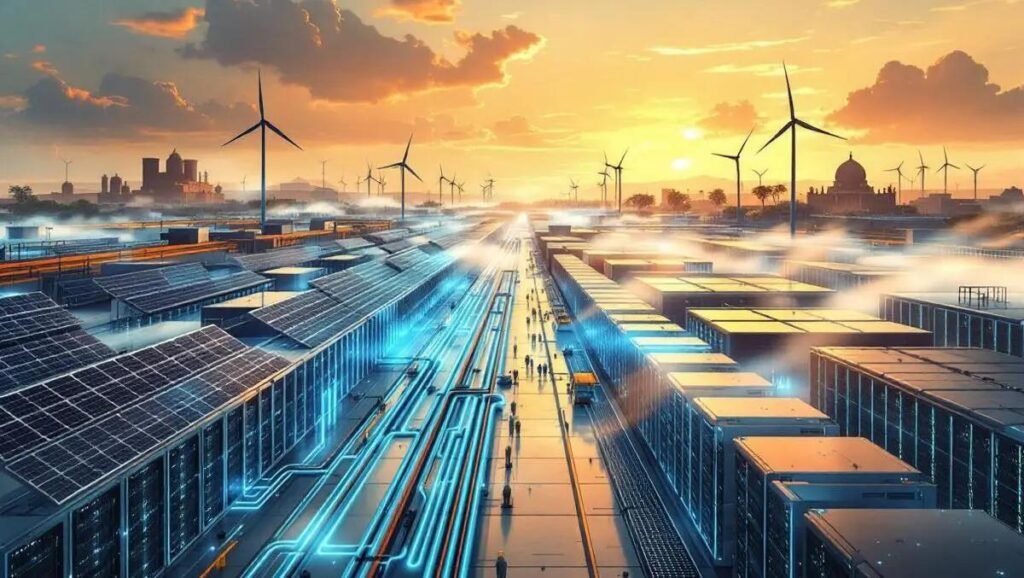
AI is already reducing energy use in some homes, offices and industrial buildings across the UK. In certain situations, the savings are substantial. But there is also a major contradiction hiding underneath the headlines: the same AI boom promising efficiency is simultaneously increasing electricity demand through huge data centres and expanding computing infrastructure.
So, will AI dramatically reduce your energy bill?
Possibly. But only if it is applied in the right places, with the right hardware, and alongside actual behavioural and structural improvements rather than marketing slogans.
How AI Is Already Cutting Energy Costs
Smart Heating Systems Are the Biggest Immediate Win
Heating remains the largest energy expense for most UK households. According to the UK Government and Ofgem, space heating typically accounts for over half of household energy use.
This is where AI is having the clearest real-world impact.
AI-enabled smart thermostats learn patterns such as:
- When occupants are usually home
- Which rooms heat fastest
- Outside temperature trends
- Boiler efficiency performance
- Energy tariff timing
Instead of simply switching heating on and off at fixed times, AI systems constantly adjust usage in response to real-world conditions.
If you want to learn more about Energy prices, problems and solutions find them here PowerGuardian UK
Real UK Example: Smart Thermostat Savings
Companies such as Hive, Google Nest and tado° claim average heating reductions ranging from 10% to 28%, depending on the property and usage habits.
In reality, independent studies suggest many UK households achieve savings closer to:
- £80 to £250 per year
- Roughly 8% to 18% reductions in heating costs
- Higher savings in older inefficient homes
The biggest savings usually come from households that previously overheated homes or left heating running unnecessarily. In other words, AI sometimes works by correcting human habits. A grim but fair assessment of civilisation.
AI and Dynamic Energy Tariffs
AI Can Shift Your Usage to Cheaper Times
One of the fastest-growing areas in the UK energy market is AI-assisted time-of-use tariffs.
Energy suppliers now offer tariffs where electricity prices change throughout the day depending on national demand and renewable generation.
Examples include:
AI systems can automatically:
- Charge EVs overnight
- Run washing machines at cheaper hours
- Heat water when electricity prices fall
- Store battery power during low-cost periods
Real-World Savings for EV Owners
Some UK EV owners using intelligent charging systems report charging costs below 10p per kWh overnight compared with raid public charging rates that can exceed 80p per kWh in some locations.
That difference can save hundreds or even thousands of pounds annually for high-mileage drivers.
The latest UK EV Charger news and prices are here…

AI in Commercial Buildings Is Delivering Bigger Savings
Offices and Warehouses Benefit More Than Homes
Large commercial buildings waste extraordinary amounts of energy through:
- Poor ventilation timing
- Empty-room heating
- Constant lighting
- Inefficient cooling systems
- Equipment running unnecessarily
AI building management systems monitor thousands of data points simultaneously.
These systems can automatically reduce:
- Heating in unused zones
- Air conditioning loads
- Lighting intensity
- Peak electricity consumption
According to studies from organisations including the International Energy Agency and Carbon Trust, smart energy management systems can reduce commercial building energy use by 10% to 30%.
Real Example: Google Data Centre Cooling
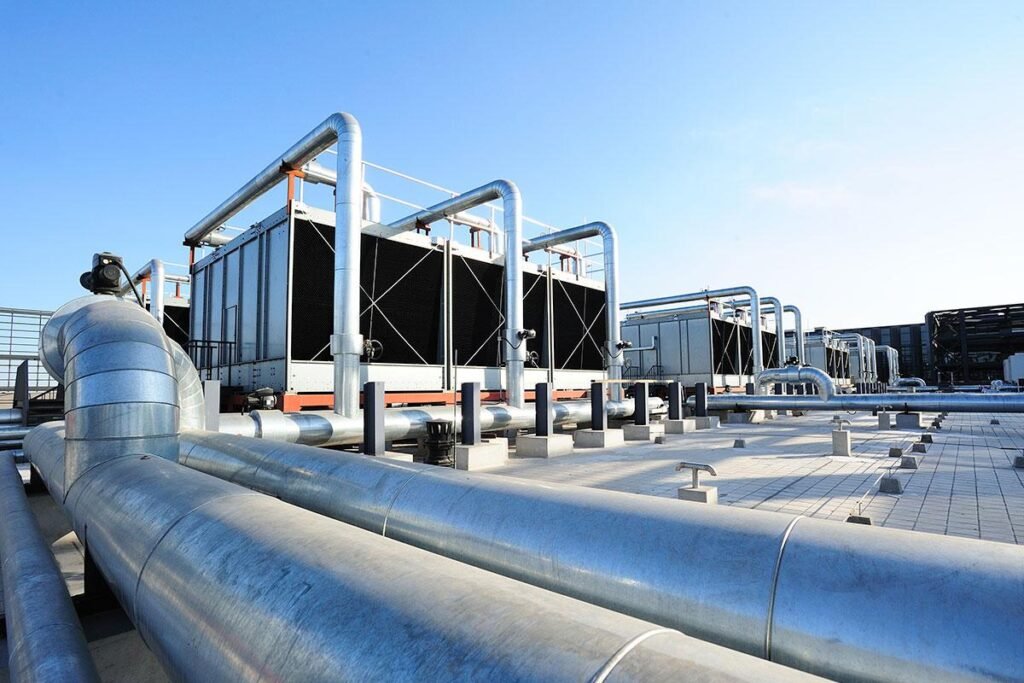
Google DeepMind famously reduced cooling energy use in Google data centres by around 40% using AI optimisation systems.
That was a major breakthrough because cooling is one of the biggest operational expenses in large computing facilities.
Ironically, those same facilities also exist partly because AI itself consumes vast amounts of electricity. Humanity has somehow invented a technology that both solves and creates the same problem simultaneously. Remarkable consistency.
The Problem Nobody Likes Talking About: AI Uses Huge Amounts of Electricity
AI Is Not Environmentally Free
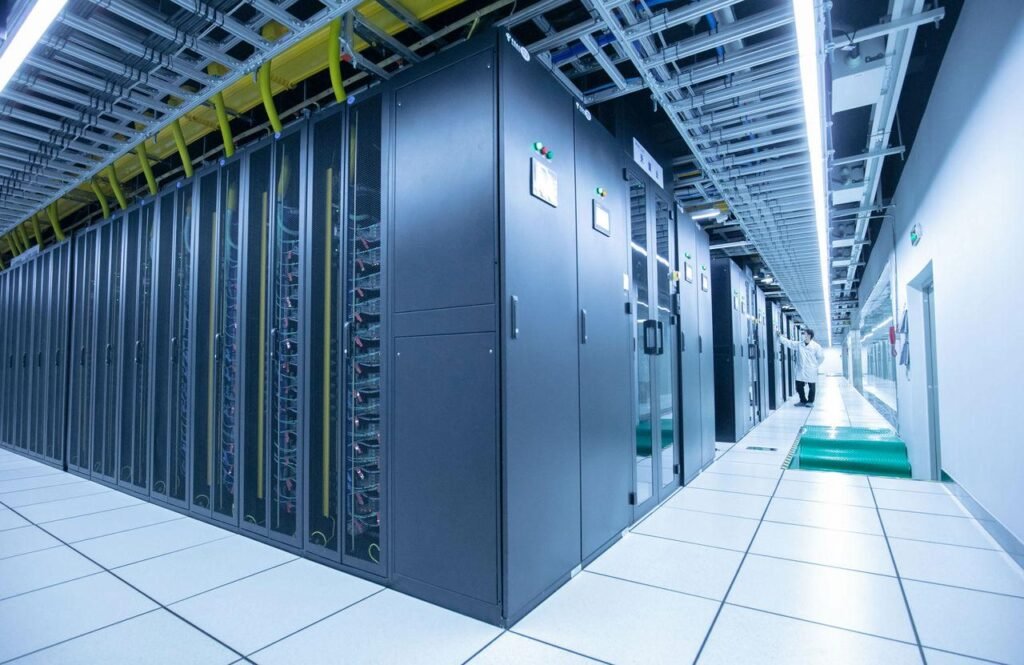
While AI can improve efficiency, modern AI systems require enormous computing power.
Training advanced AI models can consume massive amounts of electricity through:
- Data centres
- GPU clusters
- Cooling systems
- Networking infrastructure
The rapid expansion of AI infrastructure is now increasing power demand globally.

UK National Grid Concerns
The UK National Grid and energy analysts have repeatedly warned that future electricity demand may rise sharply because of:
- AI infrastructure
- EV adoption
- Heat pumps
- Electrification of transport
- Expanding digital services
According to forecasts from National Grid ESO, UK electricity demand could increase significantly over the next two decades as digital and electrified systems expand.
So while AI may lower your individual bill through optimisation, the wider energy system could still face upward pricing pressure if electricity generation and grid infrastructure fail to keep pace.
Find out much more about the National Grid and Energy in the UK
Could AI Eventually Create Major National Savings?
Grid Balancing Is Where AI May Become Truly Powerful
The biggest long-term savings may not happen inside individual homes.
They may happen across the national grid itself.
AI is increasingly being used to:
- Predict energy demand
- Forecast renewable output
- Detect grid faults
- Balance electricity supply in real time
- Reduce wasted renewable generation
This matters because renewable energy is unpredictable.
Wind farms produce electricity only when the wind blows. Solar generation depends on weather and daylight.
AI forecasting systems help energy operators better match supply and demand, reducing expensive emergency balancing costs.
Real UK Potential
If AI successfully improves grid balancing and storage management, benefits could include:
- Lower wholesale electricity volatility
- Reduced infrastructure waste
- Fewer balancing costs passed to consumers
- Better integration of renewables
- More efficient EV charging coordination
But these savings are gradual and system-wide. They are not likely to suddenly halve domestic bills next year despite what certain technology adverts imply while showing a smiling family staring lovingly at a thermostat.
Why AI Alone Will Not Fix High UK Energy Bills
Structural Problems Still Dominate
The UK has several long-standing energy issues that AI cannot magically solve:
- Poor housing insulation
- Ageing housing stock
- High standing charges
- Gas dependency
- Grid infrastructure limitations
- International gas market exposure
An AI thermostat cannot fully compensate for:
- Single glazing
- Uninsulated walls
- Draughty Victorian housing
- Expensive energy tariffs
In many cases, physical efficiency upgrades still matter more than AI software.
Real-World Comparison
A household might save:
- 10% to 15% using AI heating optimisation
- 25% to 40% through major insulation improvements
The best results usually come when both are combined.
If you want to learn more about Energy prices, problems and solutions find them here PowerGuardian UK
AI Could Create Winners and Losers
Wealthier Households Benefit Faster
One uncomfortable reality is that many AI-powered savings require upfront investment.
Examples include:
- Smart thermostats
- Solar panels
- Home batteries
- EVs
- Smart appliances
- Heat pumps
Households already struggling with bills are often least able to afford the technology that unlocks long-term savings.
This risks widening what analysts increasingly call the “energy technology divide”.
What Savings Are Realistically Possible?
Typical Household Expectations
For most UK households over the next five years, realistic AI-related savings may look like this:
| Technology | Typical Potential Savings |
|---|---|
| Smart thermostat | £80 to £250 yearly |
| Smart EV charging | £300 to £1,500 yearly |
| AI home energy optimisation | 5% to 15% overall |
| Solar + battery AI optimisation | Significant if well installed |
| Smart appliances on flexible tariffs | Moderate but growing |
The dramatic reductions advertised online often assume:
- High existing energy waste
- Expensive peak-time electricity use
- Fully integrated smart homes
- Large properties
- EV ownership
Average households may see useful savings, but probably not miraculous ones.
The Bigger Picture
AI Is a Tool, Not a Miracle
AI absolutely can reduce energy waste.
That part is real.
It is already improving:
- Heating efficiency
- EV charging economics
- Commercial energy management
- Grid forecasting
- Renewable integration
But AI is not going to erase high energy costs on its own.
The future of lower UK energy bills still depends heavily on:
- More energy generation
- Better insulation
- Grid upgrades
- Smarter regulation
- Increased renewable capacity
- Reduced dependence on volatile gas markets
AI may become one of the most useful optimisation tools in the energy sector, but optimisation is not the same thing as abundance.
That distinction matters. Particularly when marketing departments start behaving like machine-learning models trained exclusively on buzzwords and investor presentations.
Final Verdict
Will AI Dramatically Reduce UK Energy Bills?
For some households and businesses, yes.
For the country overall, probably not dramatically in the short term.
AI is more likely to deliver:
- Gradual efficiency improvements
- Better energy management
- Smarter consumption patterns
- Lower waste
- More flexible electricity use
The biggest savings will probably come from combining AI with:
- Better insulation
- Smarter tariffs
- Renewable generation
- Home batteries
- Efficient appliances
AI is not a magic switch that suddenly makes electricity cheap. It is a very powerful optimisation layer sitting on top of an energy system that still has major structural problems.
Still, if AI can stop millions of people heating empty homes, charging EVs at peak rates, or running appliances at the most expensive times of day, that alone could remove a shocking amount of waste from the UK energy system.
Which, considering humanity’s long-standing commitment to wasting electricity in imaginative ways, would already count as progress.
Find energy saving tips, guides and prices at powerguardian.co.uk