Artificial intelligence is now sold to the public as if it exists in a magical cloud floating somewhere above reality. People pay £20 per month for an AI chatbot and imagine the cost ends there. Meanwhile, behind the scenes, gigantic data centres are swallowing electricity at industrial scale while UK households argue over whether boiling a second kettle is “wasting electric”. Civilisation remains beautifully consistent.
The uncomfortable truth is that AI subscriptions and UK energy costs are becoming tightly linked. Every prompt, generated image, uploaded PDF and AI-written business report has an energy footprint somewhere in the chain.
This matters because the UK is already facing rising grid pressures, unstable energy pricing, expensive infrastructure upgrades and increasing concern over electricity demand from digital services.
Why AI Suddenly Matters to the UK Energy Market
AI Is Not “Just Software”
Traditional websites mainly deliver static content. AI systems do constant computation.
When someone asks an AI tool to:
- generate images
- analyse spreadsheets
- create code
- summarise documents
- run voice conversations
- create videos
…the system often triggers high-powered GPU servers running continuously inside energy-hungry data centres.
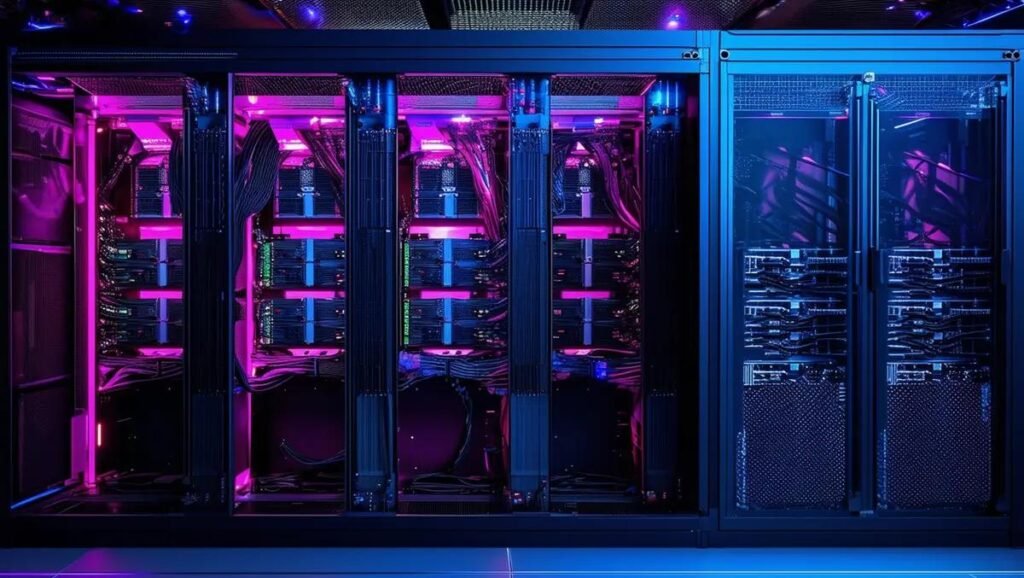
Major AI firms use thousands of specialised chips from companies like NVIDIA that consume huge amounts of electricity and cooling capacity.
Data Centres Are Becoming Energy Giants
According to the International Energy Agency, global data centre electricity demand is expected to rise sharply due to AI expansion.
In real-world terms:
- a traditional search query uses relatively little electricity
- AI queries can use significantly more due to computational intensity
- AI image and video generation can consume far higher processing power again
The UK already hosts large data centre clusters around:
- London
- Slough
- Manchester
- Leeds
- Birmingham
These facilities require:
- constant cooling
- backup power systems
- uninterrupted grid access
- diesel generators for resilience
Even short outages can cost operators millions.
What AI Subscriptions Actually Cost Consumers
The Subscription Illusion
Many UK consumers focus only on the monthly fee:
- ChatGPT Plus
- Claude Pro
- Gemini Advanced
- Midjourney
- Canva AI
- Microsoft Copilot
Typical costs range from:
- £10 to £50 per month
- sometimes far more for business tiers
But the hidden reality is that users often underestimate the total ecosystem cost.

- 15.6-inch Full HD portable anti-glare IPS display with an ultraslim and thin design helps you get things done more effic…
- USB Type-C connector (DP Alt mode) for user convenience and compatibility with compatible devices
- ASUS Eye Care monitors feature TÜV Rheinland-certified Flicker-free and Low Blue Light technologies to ensure a comforta…
Compare Rising UK Household Costs Beyond AI
Many UK consumers are now balancing rising AI subscription costs alongside electricity and utility bills. PowerGuardianUK
The Real Monthly AI Stack
A typical UK small business experimenting with AI can easily end up paying:
| Service | Typical Monthly Cost |
|---|---|
| AI chatbot subscription | £20 |
| AI image tools | £10 to £30 |
| AI video tools | £20 to £80 |
| Cloud storage upgrades | £5 to £20 |
| Automation platforms | £10 to £100 |
| Additional broadband usage | Rising indirect cost |
| Increased electricity usage | Often overlooked |
Many firms unknowingly build “subscription creep”.
One employee tests a few AI tools.
Another adds automation.
Marketing adds AI graphics.
Customer service adds AI summaries.
Suddenly the company is spending hundreds per month before calculating productivity gains properly. Humans adore subscriptions because individually they look harmless. Like termites. Financial termites.
Does AI Increase Electricity Bills in UK Homes?
Direct Home Electricity Impact
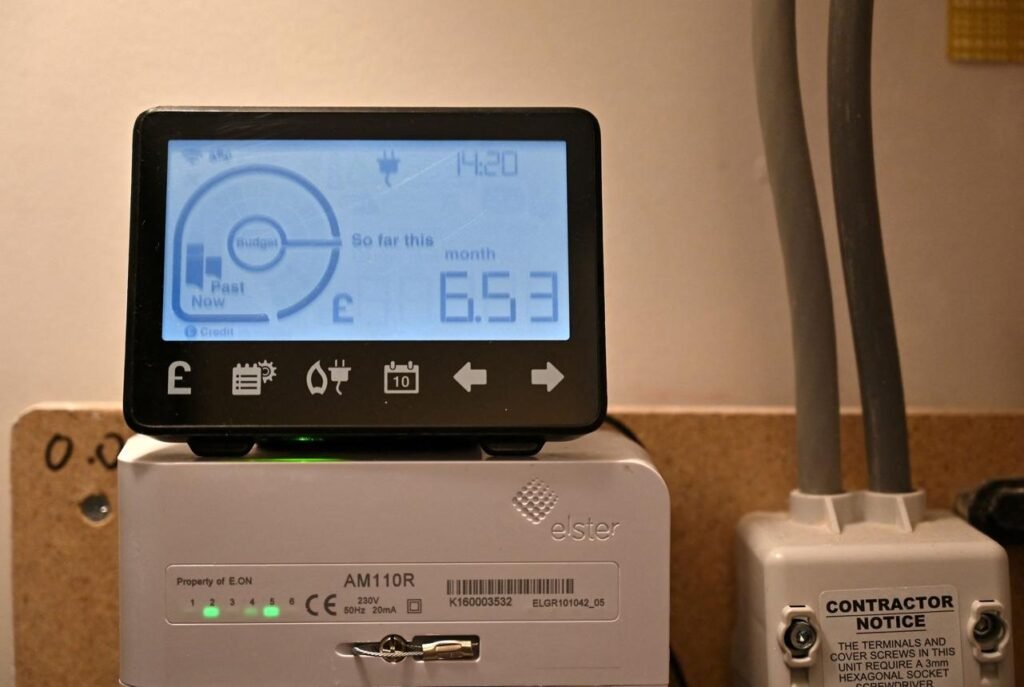
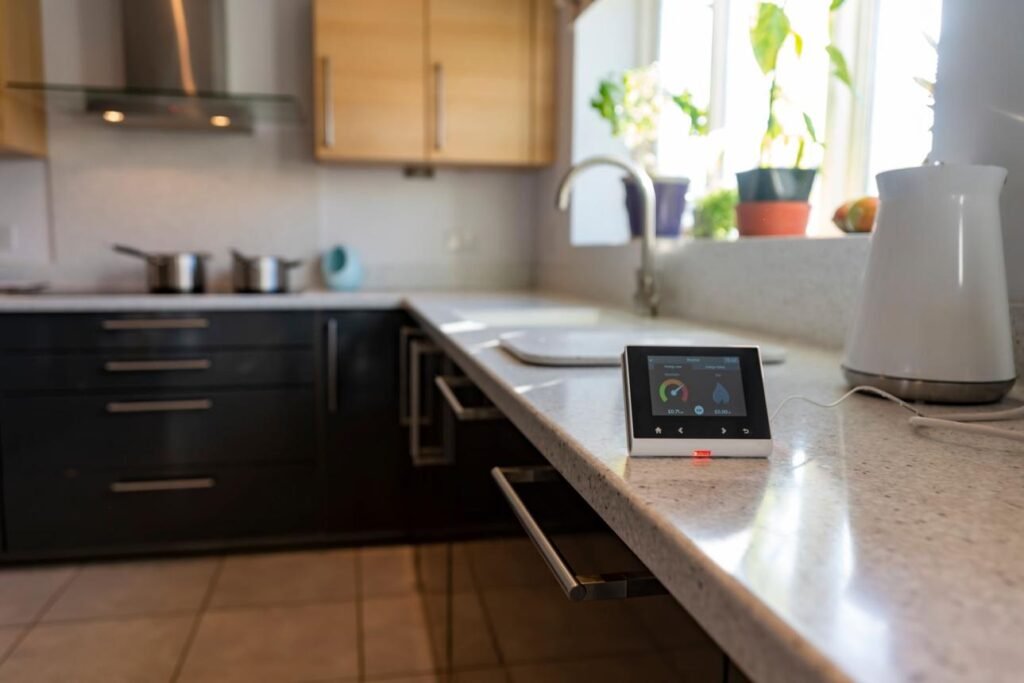
For most households, using AI itself does not massively increase electricity usage directly.
The device you use:
- laptop
- tablet
- smartphone
…uses relatively modest electricity compared with:
- tumble dryers
- electric heating
- ovens
- immersion heaters
However, there are indirect increases.
Hidden Electricity Increases
AI encourages:
- more screen time
- more cloud processing
- more connected devices
- higher broadband demand
- longer computer operating hours
For remote workers and small businesses, this can add noticeable costs over time.
A home office running:
- dual monitors
- AI-powered workflows
- cloud sync
- always-on broadband
- desktop PCs
…can materially increase electricity consumption compared with traditional office patterns.

- Custom three-capsule array: This professional microphone produces clear, powerful, broadcast-quality sound for YouTube v…
- Blue VO!CE software: Elevate your streamings and recordings with clear broadcast vocal sound and entertain your audience…
- Four pickup patterns: Flexible cardioid, omni, bidirectional, and stereo pickup patterns allow you to record in ways tha…
AI Data Centres vs UK Household Energy Use
One AI Query vs Household Appliances
Precise figures vary heavily depending on the model and task.
However, researchers and industry analysts estimate:
- AI image generation can consume many times more energy than standard web searches
- large AI training runs can consume electricity equivalent to thousands of homes over time
- AI video generation is becoming especially energy intensive
Training major AI systems may require:
- weeks or months of continuous GPU operation
- enormous cooling systems
- industrial-scale power infrastructure
This is where the environmental debate becomes serious.
The Cooling Problem Nobody Talks About Enough
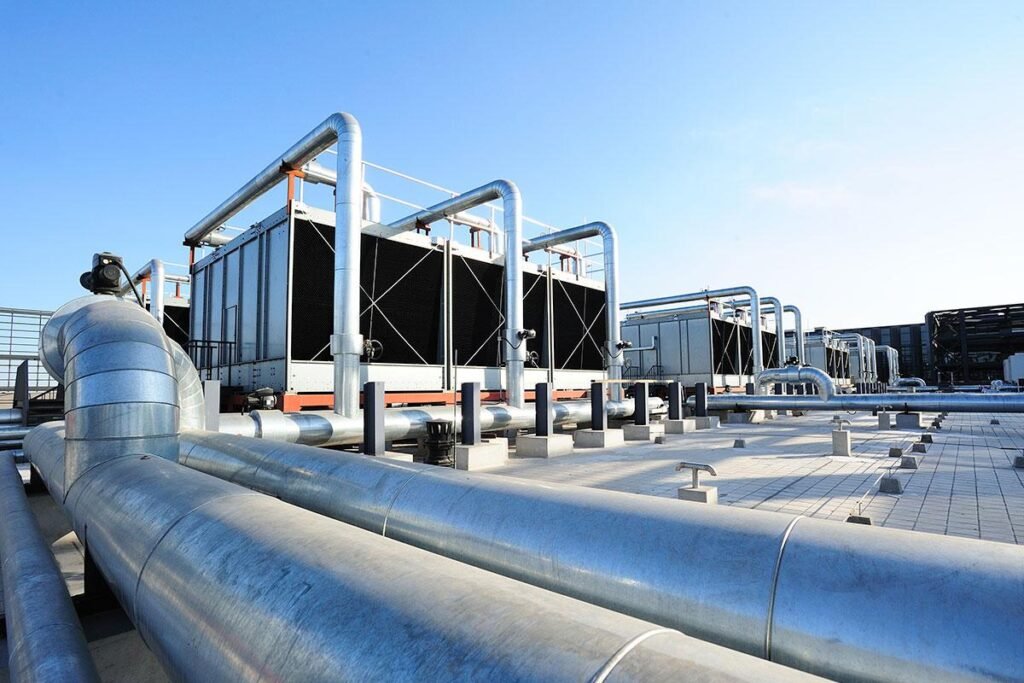
AI servers generate huge heat loads.
Cooling systems themselves consume substantial electricity.
Some facilities also require large water usage for cooling operations.
The UK’s moderate climate helps slightly compared with hotter countries, but cooling remains a major operational expense.

Why UK Energy Experts Are Paying Attention
National Grid Pressure
As AI adoption rises:
- electricity demand forecasts change
- local infrastructure pressures increase
- substations require upgrades
- grid balancing becomes harder
The UK is simultaneously:
- electrifying transport
- expanding EV charging
- pushing heat pumps
- increasing digital infrastructure
All of this competes for electricity capacity.
The AI Boom and Energy Security
There is growing concern about:
- dependence on imported energy
- infrastructure resilience
- cyber risks to energy systems
- future electricity pricing volatility
Large AI facilities need:
- reliable power
- stable voltage
- uninterrupted supply
This can place pressure on already strained regions.
Some UK areas already face grid connection delays for major industrial projects because capacity upgrades take years.
Real World Examples of AI Energy Demand
Microsoft and Google Energy Expansion
Major AI firms have openly acknowledged rising energy consumption linked to AI growth.
Google Sustainability Reports and Microsoft Sustainability Reports both discuss the challenge of balancing AI expansion with environmental targets.
Several companies are now:
- investing in renewable energy contracts
- building more efficient cooling systems
- exploring nuclear partnerships
- redesigning chips for lower power usage
Because the alternative is politically difficult:
telling the public AI is revolutionary while quietly needing the electricity output of small countries tends to create awkward headlines.
UK Consumers Are Already Sensitive to Energy Costs
British households remain highly aware of:
- standing charges
- price cap changes
- winter energy fears
- supplier trust issues
Adding AI-driven electricity demand into the national system risks increasing scrutiny around:
- who pays for infrastructure upgrades
- whether consumers subsidise large tech expansion indirectly
- how sustainable AI growth really is
Are AI Companies Becoming the New Energy Giants?
AI and Electricity Are Becoming Interconnected Industries
Historically:
- tech companies sold software
- utilities sold electricity
Now the two sectors are increasingly linked.
Future AI competition may depend on:
- access to cheap electricity
- renewable generation
- nuclear partnerships
- data centre location strategy
Countries with:
- stable grids
- lower electricity costs
- cooler climates
…may gain advantages in AI infrastructure investment.
The UK wants to compete in AI, but electricity pricing remains a major concern compared with some international markets.

What This Means for UK Businesses
SMEs Are Underestimating AI Operating Costs
Many UK businesses currently budget only for:
- AI subscriptions
- SaaS costs
- staff licences
They often ignore:
- increased electricity use
- IT hardware upgrades
- bandwidth growth
- cybersecurity expansion
- storage escalation
- hidden automation charges
The result can be disappointing ROI.
Businesses Need AI Cost Audits
Forward-looking firms are beginning to analyse:
- actual productivity gains
- electricity impact
- duplicated subscriptions
- unnecessary AI tools
- energy efficiency of workflows
In some cases:
a simpler workflow using fewer AI systems may produce better commercial results with lower operational costs.
A shocking discovery in modern business life: buying every AI tool advertised on LinkedIn does not automatically create efficiency. Sometimes it just creates invoices.
Can AI Become More Energy Efficient?
Efficiency Improvements Are Coming
The industry is trying to reduce:
- GPU power draw
- cooling overhead
- unnecessary processing
- inefficient training methods
Newer AI chips are becoming more efficient.
Some firms are:
- moving workloads to renewable-heavy regions
- reusing server heat
- designing low-energy models
- reducing computation requirements
But Demand Is Growing Faster
The problem is scale.
Even if systems become more efficient:
- user demand keeps rising
- AI video workloads are exploding
- business adoption is accelerating
- always-on AI assistants are expanding
Efficiency gains can be overwhelmed by usage growth.
This is similar to how more fuel-efficient cars did not magically end traffic congestion. Humans simply drove more and built larger SUVs to carry one emotional support coffee.
Final Thoughts
AI subscriptions may look cheap on the surface, but the wider economic and energy picture is far more complicated.
The UK is entering a period where:
- AI growth
- electricity demand
- infrastructure investment
- consumer energy anxiety
…are increasingly connected.
For households, the immediate cost impact may still feel modest.
For businesses, utilities, infrastructure planners and policymakers, the long-term implications are enormous.
The real debate is no longer whether AI changes society.
It is whether the energy systems underneath society can realistically support the scale of AI expansion now being promised by the technology industry.
And that question becomes much more uncomfortable once the electricity bill arrives.