You’re not the first business owner to look at customer service costs and think: “Surely AI can handle this now.”
Short answer: ChatGPT can replace a significant portion of customer service tasks, but not the entire role without trade-offs.
Longer answer, the one you actually need before you accidentally damage your customer experience: it’s extremely flexible, very capable, and occasionally wrong in ways that are impressively confident.
What ChatGPT is actually good at in customer service
It handles routine work extremely well

ChatGPT excels at the repetitive, structured parts of customer service:
- Answering FAQs (hours, pricing, delivery, policies)
- Handling basic troubleshooting steps
- Responding to standard email enquiries
- Drafting replies quickly and consistently
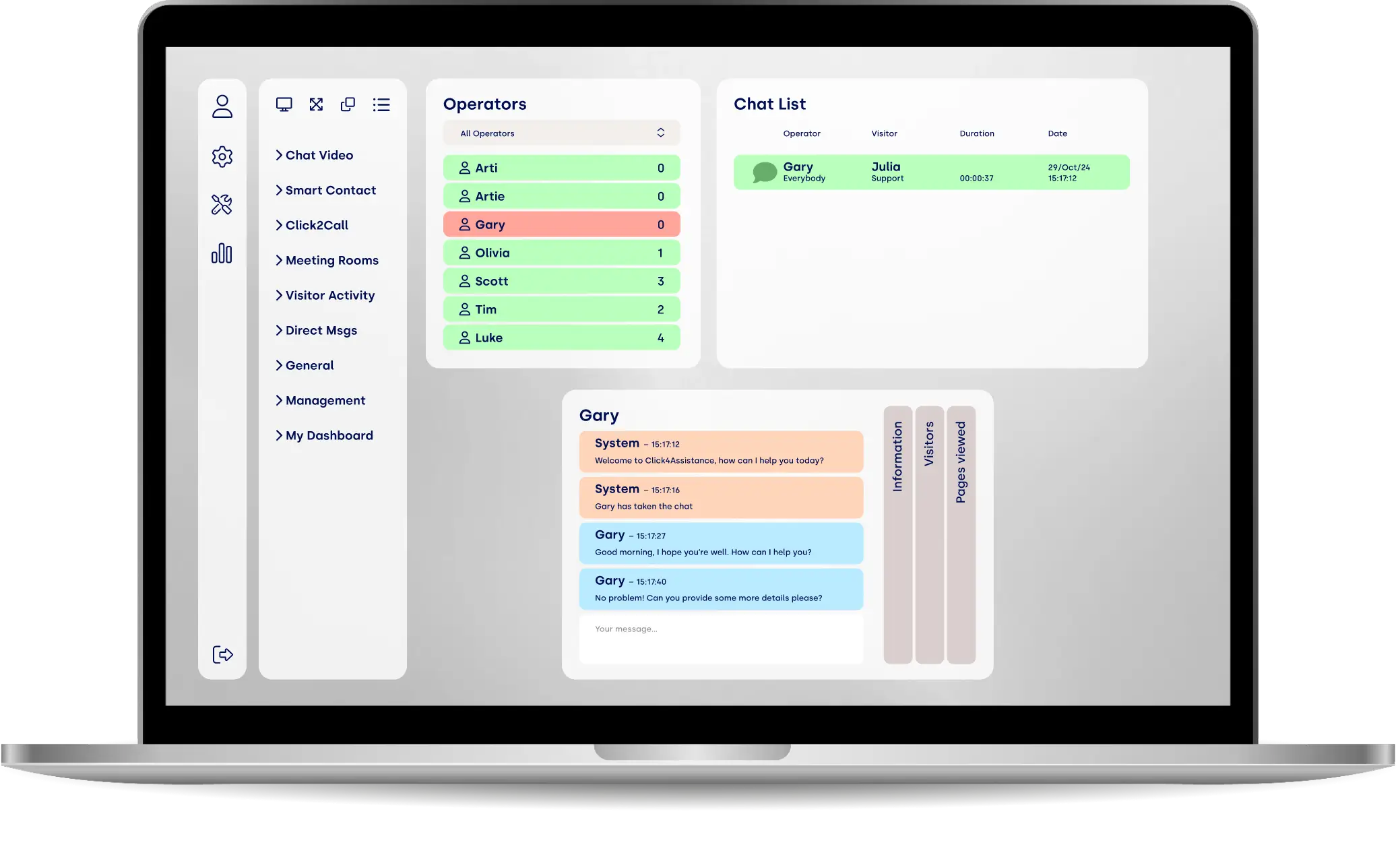
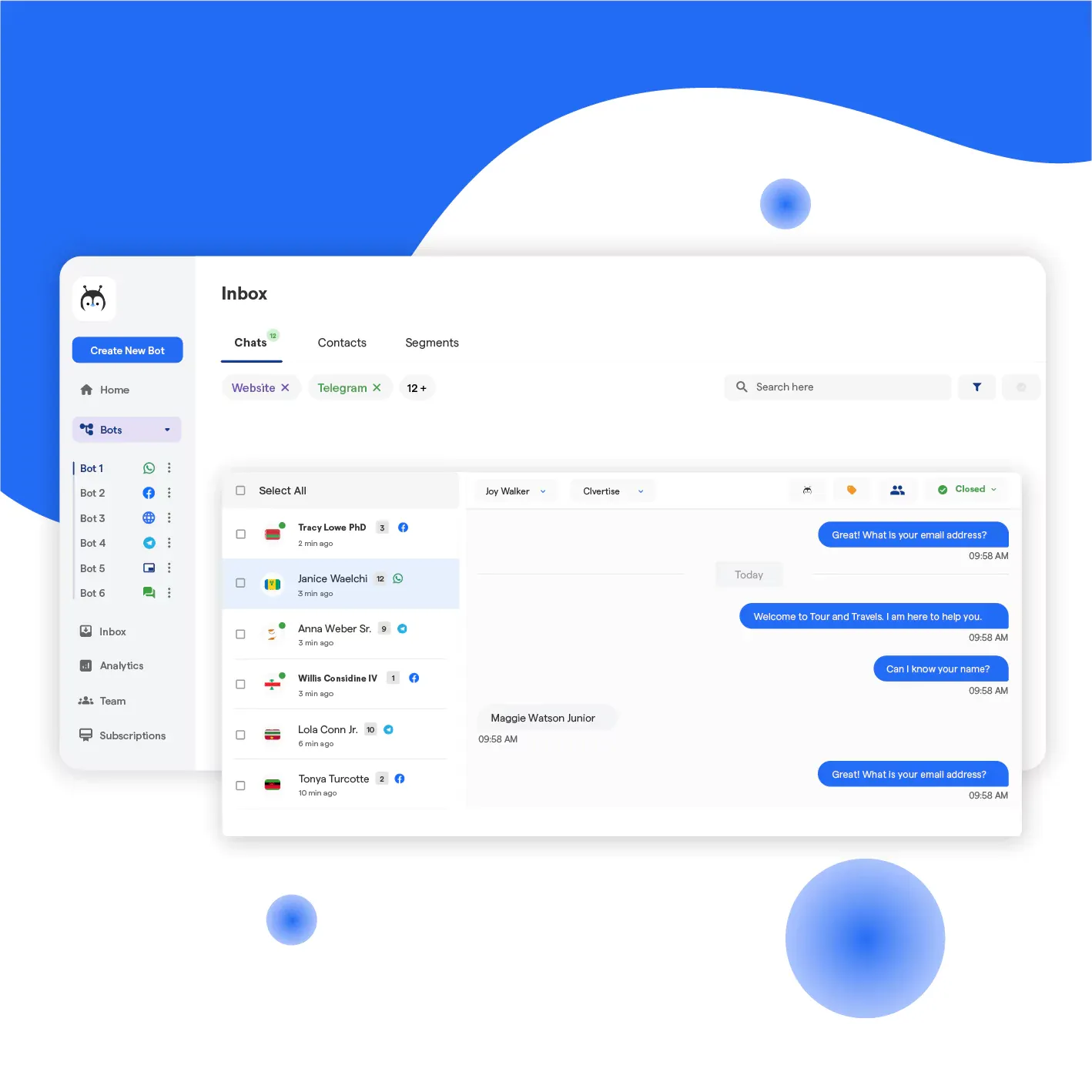
- Supporting live chat on websites
For many SMEs, this is 50–70% of total customer interactions.
According to the Department for Business and Trade, AI adoption in SMEs is largely driven by efficiency gains in routine administrative and customer-facing tasks.
Translation: AI shines where the questions repeat.
It scales instantly (unlike humans, who need sleep)

ChatGPT doesn’t:
- Take breaks
- Call in sick
- Get overwhelmed during busy periods
It can handle:
- Multiple conversations at once
- Out-of-hours enquiries
- Sudden spikes in demand
For a small business, that’s a serious advantage. It effectively gives you 24/7 coverage without hiring a night shift.
Where ChatGPT struggles (and this is where people get caught out)
It lacks judgement, context, and accountability
Advertisement
- Millions of Color Choices: Govee Bulb E14 offer millions of colors and over 50 preset scene modes. Customize your home w…
- Smart Voice Control: Govee E14 Smart Bulb is compatible with Matter, Alexa and Google Assistant for hands-free control. …
- Adjustable Brightness & Color Temp: With adjustable brightness (0-450lm) and color temperature (2700-6500K), this Smart …
ChatGPT is not a person. It does not:
- Truly understand context
- Take responsibility
- Know when it’s about to cause a problem
It can:
- Misinterpret queries
- Provide incorrect or outdated information
- Sound helpful while being wrong
The Information Commissioner’s Office (ICO) highlights that organisations must ensure accuracy, transparency, and accountability when using AI in customer interactions.
So if your AI tells a customer something incorrect, the customer doesn’t blame the algorithm.
They blame you.
Complex and emotional situations still need humans

AI struggles with:
- Complaints
- Refund disputes
- Sensitive issues
- Negotiation
- Long, nuanced conversations
Customers in these situations want:
- Empathy
- Flexibility
- Authority
ChatGPT offers none of those in a meaningful sense.
Research from YouGov shows UK consumers still value human interaction for complex or sensitive customer service issues, even as automation increases.
Humans are frustrating, but occasionally useful.
How flexible is ChatGPT really?
Extremely flexible, if you set it up properly
ChatGPT can be adapted to:
- Your tone of voice
- Your products/services
- Your policies
- Your FAQs
- Your workflows
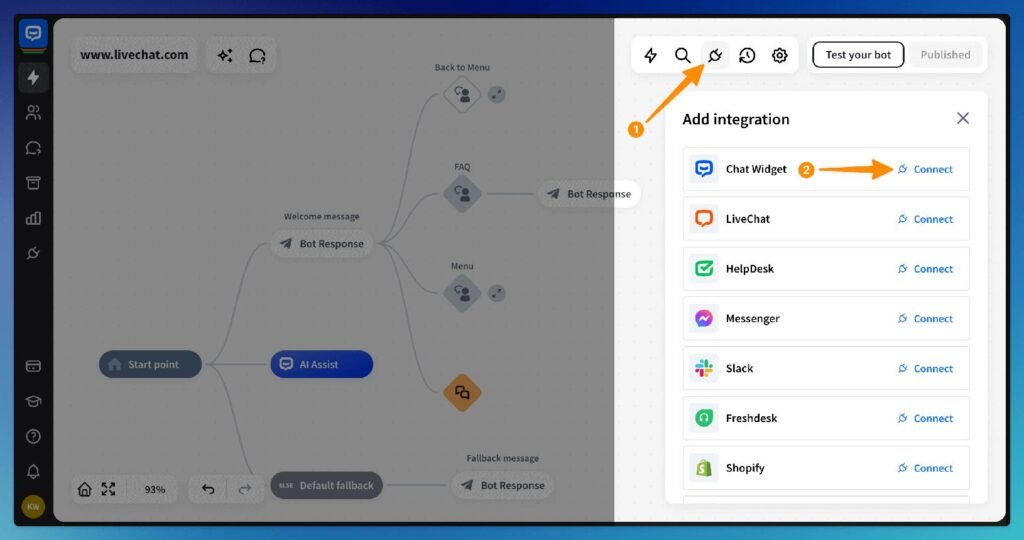
It can also integrate with:
- Websites
- Email systems
- CRM platforms
- Booking systems
But flexibility depends on how well you configure it.
Left unmanaged, it becomes:
- Generic
- Inconsistent
- Occasionally unhelpful
Configured properly, it becomes:
- Fast
- Consistent
- Surprisingly effective
What replacing a customer service adviser actually looks like
It’s not replacement. It’s restructuring
A realistic model looks like this:
AI handles:
- First-line enquiries
- FAQs
- Simple requests
- Initial triage
Human handles:
- Complex issues
- Complaints
- Escalations
- Relationship management
This is often called a hybrid support model.
The British Chambers of Commerce notes that most SMEs using AI are augmenting roles rather than replacing them entirely, with limited impact on staffing levels.
There’s a reason for that.
Step-by-step: how to implement ChatGPT in your customer service
Step 1: Identify repeatable queries
Look at:
- Emails
- Calls
- Messages
Find:
- The most common questions
- The most repetitive tasks
Start there.
Step 2: Build a controlled knowledge base
Define:
- Correct answers
- Policies
- Tone
This reduces risk dramatically.
Step 3: Deploy AI in low-risk channels first
Start with:
- Website chat
- Email drafting
Avoid jumping straight into:
- Fully automated complaint handling
- Complex decision-making
That’s how things go wrong quickly.
Step 4: Keep human oversight in place
Review:
- Responses
- Accuracy
- Customer feedback
Adjust continuously.
This is not “set and forget”. It’s “set and babysit”.
Step 5: Expand gradually (not recklessly)
Once it works:
- Increase coverage
- Add more use cases
- Automate more safely
The Department for Business and Trade describes successful SME AI adoption as incremental and controlled, not sudden and total.
Costs vs savings
You save on salaries, but you still need management
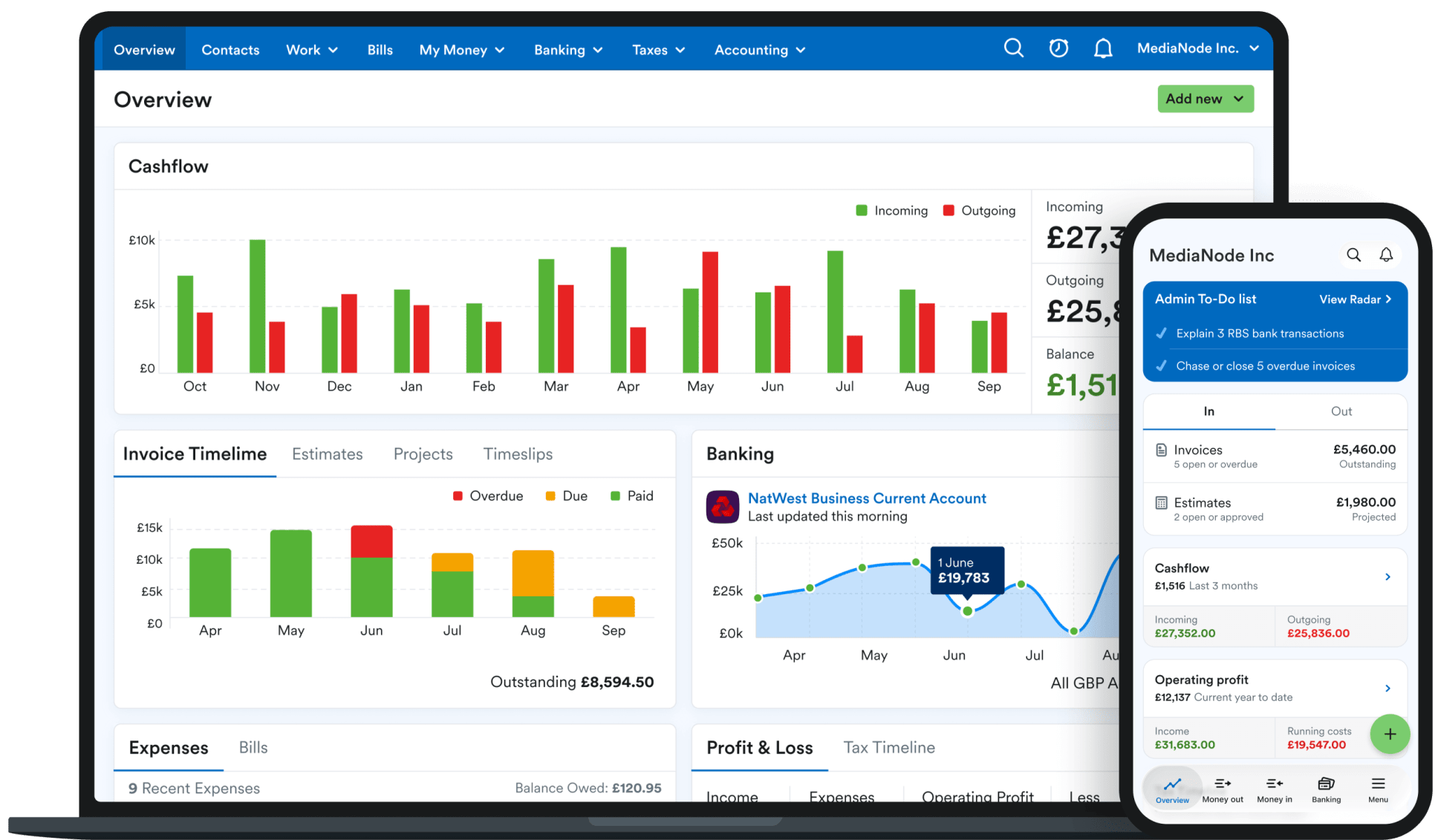
Customer service adviser (UK):
- £22,000 – £35,000+ per year
AI setup:
- £20–£200/month depending on tools
Savings are obvious.
But:
- You’ll spend time managing it
- You’ll still need human backup
So it’s cost reduction, not total elimination.
Risks you should not ignore
Because customers remember bad service forever

Risks include:
- Incorrect responses
- Frustrated customers
- Loss of trust
- Brand damage
The YouGov highlights ongoing concerns around accuracy and trust in AI-driven interactions.
And trust, once lost, is annoyingly difficult to rebuild.
Expert insight
AI is best used as a front line, not the entire army
Most UK research lands on the same conclusion:
- AI improves efficiency
- AI reduces workload
- AI supports teams
But it rarely replaces them entirely.
The Department for Business and Trade describes SME AI use as process optimisation, not workforce removal.
Not quite the robotic takeover people imagined, but far more practical.
Final verdict
ChatGPT is good enough to replace part of the role, not the whole thing
If you’re running a UK small business:
- ChatGPT can handle a large portion of customer service
- It can significantly reduce workload and costs
- It can improve response speed and availability
But:
- It cannot fully replace human judgement
- It cannot manage complex or sensitive situations reliably
- It still needs oversight
The smart move is not replacement. It’s augmentation with control.
Replace everything, and you risk sounding efficient while quietly annoying your customers.
Use it properly, and you’ll look faster, sharper, and far more organised than your competitors. Which, frankly, is the whole point.
Find Help and Support
We have created Professional High Quality Downloadable PDF’s at great prices specifically for Small and Medium UK Businesses. Which includes help and advice on understanding what Artificial Intelligence is all about and how it can improve your business. Find them here.