No. Not by itself. AI is not going to march into Britain wearing a tiny bowler hat and close every SME by 2028. The bigger risk is more boring, which is how business disasters usually arrive: poor adoption, bad data, weak cyber security, over-reliance on tools staff do not understand, and competitors using AI faster and better.
The most realistic view is this: AI will not ruin well-run British businesses, but it may expose badly-run ones faster.UK government research published in 2026 found AI adoption was still uneven, with around 16% of UK businesses using at least one AI technology, while British Chambers of Commerce research reported a sharper SME rise, with 54% of firms actively using AI in 2026. That tells us the market is moving, but not evenly. Some firms are racing ahead, others are still treating AI like witchcraft with a subscription fee.
The blunt answer
AI could help close some British businesses over the next two years, but usually as one factor among several:
poor cash flow
high employment costs
weak online visibility
slow customer service
cyber attacks
bad management decisions
competitors becoming faster and cheaper
AI will not be the only cause. It will be the accelerant.

Why AI could hurt British businesses
Competitors may become faster and cheaper
McKinsey’s 2025 global AI survey found that more organisations expect AI to reduce workforce size in some business functions over the next year, especially where work is repetitive, administrative or process-heavy. That matters for British SMEs because competitors may use AI to produce quotes, answer enquiries, write tenders, manage stock, create marketing, analyse accounts and handle basic customer service faster than firms still doing everything manually.
Customer expectations will rise
Customers will increasingly expect quick replies, accurate updates, online booking, instant quotes and professional communication. A business that takes three days to answer a simple enquiry may lose to one using AI-assisted customer service within minutes. Humanity’s proud legacy: being beaten by a chatbot because nobody checked the inbox.
Cyber risk will increase
The National Cyber Security Centre has warned that cyber threats are rising faster than UK resilience, and recent UK government guidance urges business leaders to follow NCSC advice and sign up to its free Early Warning service. AI can help attackers write better phishing emails, automate scams and find weak systems faster.
The Bank of England has also warned that AI could improve cyber defence but also increase attackers’ capabilities and create new vulnerabilities inside organisations using AI badly.
Bad AI use can damage trust
Businesses can get into trouble by using AI to produce incorrect advice, fake reviews, misleading marketing, poor legal wording, inaccurate financial forecasts or customer replies that make no sense. AI is useful, but it is not a director, accountant, solicitor or common sense replacement, despite humanity’s best efforts to outsource thinking to a glowing text box.
What British businesses should do now
1. Use AI where it clearly saves time
Start with practical, low-risk areas:
customer enquiry drafts
social media planning
blog outlines
FAQ creation
email replies
quote templates
meeting summaries
invoice chasing messages
basic spreadsheet analysis
staff training notes
Do not begin by automating your entire accounts system, customer service and legal compliance in week one. That is not innovation. That is a future tribunal with branding.
Advertisement
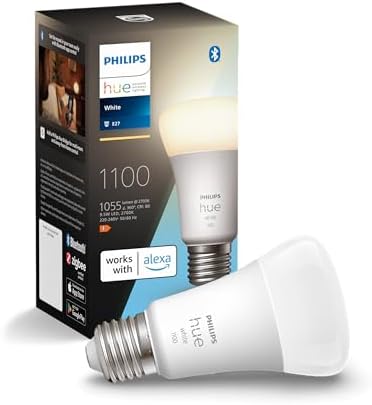
- Infinitely dimmable: Use the Smart Button as a light switch or as a detachable remote control for flexible lighting cont…
- Personalised lighting: Dim the warm white light to get the perfect lighting for your home
- Can be used anywhere: cosy ambience with warm white light, suitable for any light fitting with E27 socket
2. Keep humans in charge of important decisions
AI should assist, not approve:
payments
refunds
legal wording
HR decisions
medical or safety advice
contract terms
pricing strategy
customer complaints
financial reporting
Anything that could cost money, create liability or upset a customer should be checked by a human.
3. Protect your data
Do not paste sensitive client data, payroll information, contracts, passwords, medical records or confidential business plans into random AI tools. Use business-grade tools with proper privacy controls, access management and audit logs.
4. Train staff properly
Every business using AI should give staff basic rules:
what tools are approved
what data must never be entered
when AI output must be checked
how to spot fake AI-generated information
how to report suspicious emails
how to use AI without copying copyrighted material
5. Build a simple AI policy
A small business AI policy does not need to be 80 pages of corporate fog. It should say:
which tools are allowed
who can use them
what data is banned
what work needs human approval
how outputs are checked
who owns final responsibility
how mistakes are reported
6. Improve cyber security before automating everything
At minimum, UK businesses should:
enable multi-factor authentication
keep devices updated
use password managers
back up critical data
restrict admin access
train staff on phishing
review cloud permissions
sign up for NCSC Early Warning
consider Cyber Essentials
The NCSC describes itself as the UK’s technical authority for cyber security and provides free guidance for organisations of every size.
Advertisement

- 427 litre capacity — Holds 23 bags of food shopping
- Adjustable shelves — Plenty of space to store big items
- Salad crisper — Keeps your fruit and veg organised
The businesses most at risk
High-risk sectors
AI disruption will be strongest where businesses depend on repetitive office work:
accountancy admin
basic legal paperwork
recruitment screening
customer support
marketing agencies
estate agency admin
insurance processing
e-commerce support
bookkeeping
content writing
call handling
This does not mean these sectors vanish. It means weak firms offering slow, expensive, generic service will struggle.
Lower-risk sectors
Businesses with physical delivery, trust, local reputation and specialist skill are safer:
plumbers
electricians
builders
care providers
specialist consultants
high-quality trades
medical and wellbeing services
hospitality with strong local loyalty
photographers with a strong personal style
Even here, AI can still affect marketing, booking, quoting, reviews and admin.
Expert view
The sensible expert position
The NCSC’s practical message is that leaders need to act now because cyber risk is rising faster than resilience. The Bank of England’s view is more balanced: AI can strengthen defence but also increase attackers’ capabilities and introduce new vulnerabilities. McKinsey’s research suggests AI is already affecting workforce planning, but the biggest gains come when businesses redesign workflows rather than just playing with tools.
In plain English: AI is not magic. It rewards organised businesses and punishes chaotic ones. Charming, really.

Two-year survival plan for British businesses
First 30 days
Audit current admin tasks.
List customer pain points.
Choose one approved AI tool.
Create a simple AI usage policy.
Train staff on safe use.
Turn on MFA everywhere.
Sign up for NCSC Early Warning.
Months 2 to 3
Use AI for customer service drafts, FAQs, marketing ideas and internal templates.
Create standard reply banks.
Review data protection risks.
Measure time saved.
Check customer satisfaction.
Months 4 to 6
Automate repeatable workflows carefully.
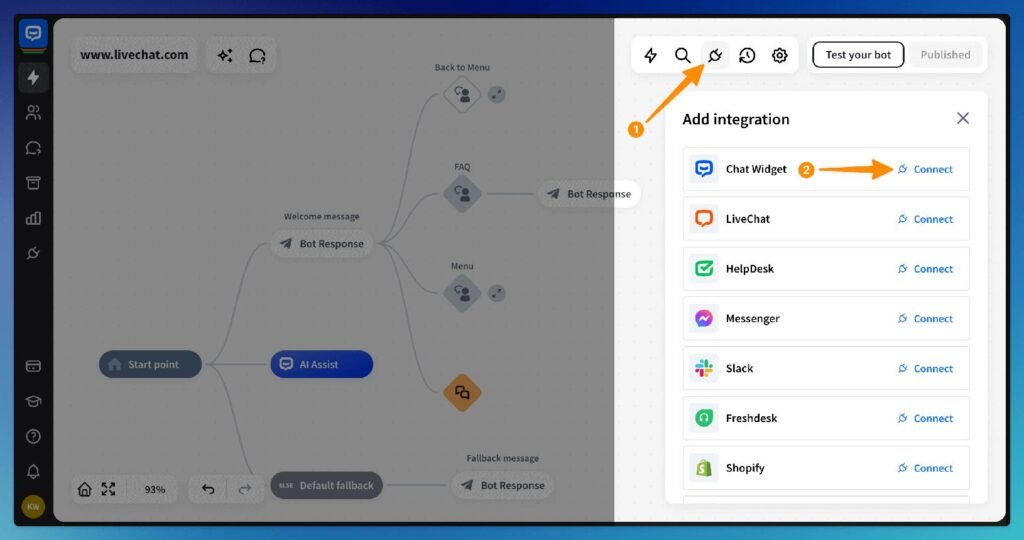
Connect AI to CRM or helpdesk tools only where safe.
Use AI reporting for sales, cash flow and marketing performance.
Train managers to review AI output.
Months 6 to 12
Build AI into the business properly:
sales process
customer service
content production
accounts admin
stock forecasting
recruitment support
cyber monitoring
staff training
Year 2
Review whether AI is improving profit, speed and quality. Remove tools that are just expensive toys. Keep the ones that save time, reduce errors or win business.
Final judgement
AI will not automatically ruin British businesses in the next two years. But British businesses that ignore it completely may become slower, more expensive and less visible than competitors using it properly.
The businesses most likely to survive are not the ones shouting “AI transformation” into LinkedIn like caffeinated consultants. They are the ones that calmly use AI to reduce admin, improve service, protect data, train staff and make better decisions.
AI will not close good businesses. Bad decisions, weak security and refusal to adapt might.
Find Help and Support
We have created Professional High Quality Downloadable PDF’s at great prices specifically for Personal or Business use in the UK. Which include help and advice on understanding what Artificial Intelligence is all about and how it can improve your business. Find them here.