Search engines used to send traffic to websites. That was the deal. Websites created content, Google indexed it, users clicked links, publishers earned money, and the internet staggered forward like a barely maintained shopping trolley held together with advertising revenue and caffeine.
Now AI search is changing the arrangement entirely.
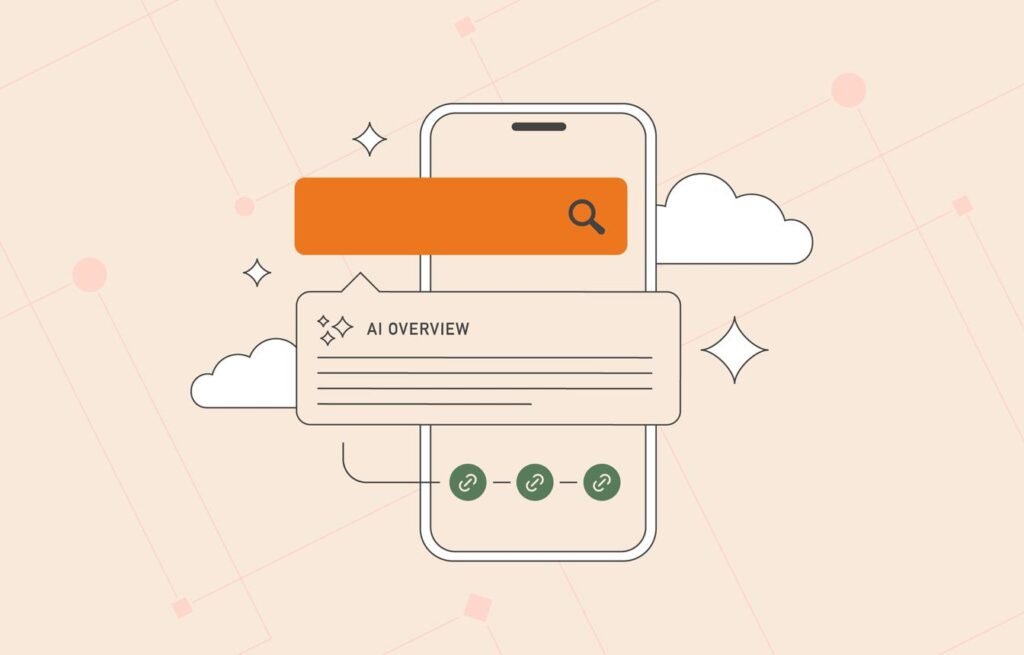
Increasingly, search engines answer the question themselves using AI-generated summaries, reducing the need for users to click through to the original source. For large publishers this is a serious problem. For small independent websites, niche blogs, local publishers, comparison sites and specialist creators, it could become catastrophic.
The uncomfortable reality is this: AI systems are consuming content created by websites while simultaneously reducing the traffic those same websites depend upon to survive.
And many small publishers still do not fully realise how serious this shift could become.
The Internet Was Built Around Clicks
For over twenty years, websites operated on a relatively predictable model:
- Create useful content
- Rank in search engines
- Receive visitors
- Monetise through:
- adverts
- affiliate links
- products
- sponsorships
- subscriptions
- lead generation
The entire independent publishing economy depends on traffic.
A niche website about accounting software, electric vehicles, pest control, AI tools, photography, energy prices or cybersecurity only exists because people click through from search engines.
Without clicks:
- ad revenue collapses
- affiliate commissions disappear
- leads dry up
- subscriptions become harder to justify
- growth slows dramatically
AI search threatens all of this at once.
AI Summaries Are Replacing Website Visits
Search engines increasingly provide direct AI-generated answers at the top of results pages.
Instead of:
“Here are ten websites discussing this topic.”
The experience is becoming:
“Here is the answer. You probably don’t need the websites anymore.”
That sounds convenient for users.
It is much less convenient for the websites that produced the information in the first place.

This is already visible across:
- Google AI Overviews
- Microsoft Copilot search
- Perplexity AI
- ChatGPT web browsing experiences
- AI assistants built into browsers and phones
Users increasingly receive:
- summaries
- recommendations
- comparisons
- explanations
- product suggestions
…without leaving the search engine ecosystem.
Humans spent years complaining about clicking websites full of pop-ups and cookie banners. Fair criticism, frankly. The modern web often feels like being mugged by newsletter forms before reading paragraph two. But the replacement may quietly destroy the independent web entirely.
What “Zero-Click Search” Actually Means
A zero-click search happens when a user performs a search but never clicks a website.
This was already growing before generative AI:
- weather searches
- sports scores
- currency conversions
- opening times
- definitions
- calculator functions
Google increasingly answered these directly.
AI search expands this dramatically.
Now AI systems can answer:
- “What is the best business broadband provider?”
- “How much does solar panel installation cost?”
- “What are the symptoms of ransomware?”
- “Which AI tool is best for accountants?”
- “Should UK businesses use BYOD or COPE?”
…using summarised information extracted from multiple publishers.
The user gets an instant answer.
The publishers get nothing.
Small Websites Are More Vulnerable Than Big Brands
Large organisations have advantages:
- direct brand recognition
- app ecosystems
- newsletters
- media partnerships
- enterprise sales
- massive marketing budgets
Small websites usually rely heavily on search visibility.
If Google sends 60% less traffic to a small independent site, the impact can be existential.
A large newspaper might survive reduced search traffic.
A one-person specialist website often cannot.
This is especially dangerous for:
- affiliate websites
- independent blogs
- local directories
- review sites
- comparison websites
- informational niche sites
- small business publishers
Many of these websites operate with thin margins already.
AI Is Consuming the Web While Weakening It
Here is the strange contradiction at the centre of AI search.
AI systems require enormous quantities of human-created content to function well.
Without publishers:
- there is no expertise
- no analysis
- no tutorials
- no reviews
- no reporting
- no commentary
- no testing
- no independent insight
Yet the AI systems may financially damage the very ecosystem producing that information.
This creates a dangerous long-term feedback loop:
- Websites create content
- AI systems summarise it
- Users stop clicking
- Publishers lose revenue
- Less original content gets produced
- AI systems have less quality information available
Eventually the internet risks becoming flooded with:
- recycled AI content
- low-effort summaries
- duplicated material
- SEO sludge
- synthetic articles quoting synthetic articles
An industrial compost heap of algorithmic mediocrity. Humanity truly looked at the internet and thought: “What if we filled it with content written by machines trained on content written by machines?” Spectacular species behaviour.

AI Search May Favour “Trusted” Brands Even More
Search engines increasingly prioritise:
- recognised authority
- established brands
- official sources
- strong E-E-A-T signals
- large-scale credibility indicators
This creates another problem for smaller publishers.
Even if a small website produces excellent analysis, AI systems may still favour:
- BBC
- Reuters
- major corporations
- government sources
- massive forums like Reddit
Smaller websites risk becoming invisible.
This is already happening in many sectors:
- finance
- health
- technology
- product reviews
- travel
- cybersecurity
Independent expertise is struggling against institutional scale.
Affiliate Websites Could Be Hit Particularly Hard
Affiliate marketing depends heavily on clicks.
A user searches:
“Best laptops for students UK”
Previously:
- user clicked review website
- read comparisons
- clicked affiliate links
- publisher earned commission
AI search changes this.
The AI may simply provide:
- top recommendations
- specifications
- summaries
- pricing comparisons
…without sending traffic to the review site.
The same applies to:
- insurance comparisons
- energy switching
- SaaS recommendations
- hosting reviews
- software lists
- gadget comparisons
Many entire business models depend on visitors arriving from Google.
If those visitors vanish, so does the revenue.
Publishers Are Already Reporting Traffic Declines
Multiple publishers and SEO professionals have reported declining click-through rates since AI answer systems became more prominent.
In some cases:
- impressions remain stable
- rankings remain stable
- clicks decline sharply
This is important.
A website may technically still “rank well” while receiving far fewer visitors because users consume the answer directly in the search results.
Traffic metrics can therefore become misleading.
A site owner may think:
“I’m still ranking.”
While revenue quietly collapses underneath them.

- Certified Fireproof Protection: The fireproof safe is independently tested and certified to meet the UL 72 standard, wit…
- Double Secure Design: Engineered for the people’s demanding conditions, the safe features external hinges to minimize in…
- Heavy-Duty Steel Construction: Weighing 45 lbs (20.4 kg) and built from reinforced thick steel, this safe provides rock-…
Why Some Small Websites Might Still Survive
Not every website is doomed.
Certain types of content remain harder for AI summaries to replace.
These include:
- genuine investigative journalism
- original research
- personal experience
- community-driven content
- specialist expertise
- tools and calculators
- local intelligence
- opinion and analysis
- forums and discussion communities
AI is good at summarising existing information.
It is weaker at:
- firsthand reporting
- trust
- lived experience
- proprietary data
- human personality
- niche communities
This is why many publishers are now trying to build:
- newsletters
- memberships
- private communities
- direct audiences
- apps
- tools
- calculators
- downloadable resources
The goal is simple:
Depend less on Google.
The Rise Of “Search Everywhere” Behaviour
Another problem for websites is that younger users increasingly search outside traditional search engines entirely.
People now search via:
- TikTok
- YouTube
- ChatGPT
- Amazon
- AI assistants
Traditional web traffic is fragmenting.
This means smaller websites are now fighting:
- AI summaries
- social platforms
- algorithmic feeds
- video platforms
- app ecosystems
- giant marketplaces
All simultaneously.
The competition for attention has become brutal.

What Small Website Owners Should Do Now
Small publishers cannot rely solely on classic SEO anymore.
The safer strategy is diversification.
Build Direct Audiences
Focus on:
- email newsletters
- repeat visitors
- communities
- subscriptions
- branded searches
Direct traffic is increasingly valuable.
Create Things AI Cannot Easily Replicate
This includes:
- original data
- calculators
- local intelligence
- expert opinion
- real-world testing
- downloadable tools
- interactive systems
Generic informational articles are becoming vulnerable.
Develop Brand Identity
Users remember:
- trusted voices
- unique perspectives
- recognisable brands
Anonymous SEO content farms will struggle badly in an AI-search world.
Use AI Carefully Rather Than Blindly
AI can:
- speed up workflows
- improve research
- help with structure
- generate drafts
But mass-producing low-quality AI content may accelerate the exact collapse publishers fear.
Search engines are already becoming saturated with AI-generated repetition.
The winners may be the people combining:
- human expertise
- AI efficiency
- original insight
- practical utility
The Bigger Risk: A Worse Internet
The real danger is not merely that small websites lose traffic.
The larger risk is that the internet itself becomes weaker.
Independent websites have historically provided:
- niche expertise
- investigative reporting
- specialist communities
- unconventional opinions
- experimentation
- local knowledge
If these disappear, the web becomes increasingly controlled by:
- giant corporations
- platforms
- AI aggregators
- centralised ecosystems
The open web becomes narrower, more homogenised and more commercially controlled.
Ironically, AI systems depend on the richness of the open web to remain useful.
Destroying the independent web may ultimately damage AI quality itself.
Which would be an extraordinarily human outcome:
Build machines trained on the internet, financially weaken the internet, then wonder why the machines become less useful. Like setting fire to your own library to reduce heating costs.
Final Thoughts
AI search is not simply another SEO update.
It may represent one of the biggest structural shifts in internet publishing since Google itself emerged.
For users, AI summaries are fast and convenient.
For small publishers, they may become economically devastating.
The websites most at risk are the ones built entirely around:
- search traffic
- affiliate clicks
- informational content
- advertising revenue
The websites most likely to survive are those that build:
- trust
- brand identity
- community
- tools
- direct relationships
- original expertise
The next few years could determine whether the independent web adapts successfully… or slowly disappears underneath an AI-generated layer of summaries nobody asked to become the entire internet.
References & Further Reading
- Google Search Central – AI Overviews
- Reuters Institute – Journalism, Media and Technology Trends
- Ofcom UK Online Nation Reports
- Search Engine Journal – Zero Click Search Research
- Google Search Central – Helpful Content System
Find Help and Support
We have created Professional High Quality Downloadable PDF’s at great prices specifically for UK Businesses. Which include help and advice on understanding what Artificial Intelligence is all about and how it can improve your business. Find them here.