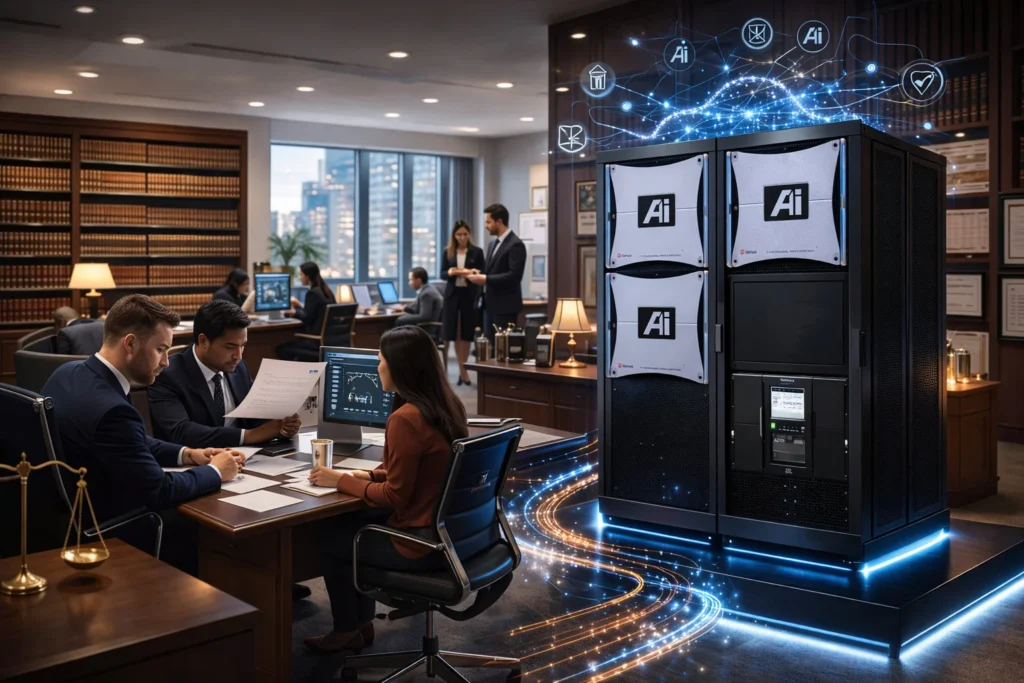
AI isn’t just software… it’s industrial infrastructure
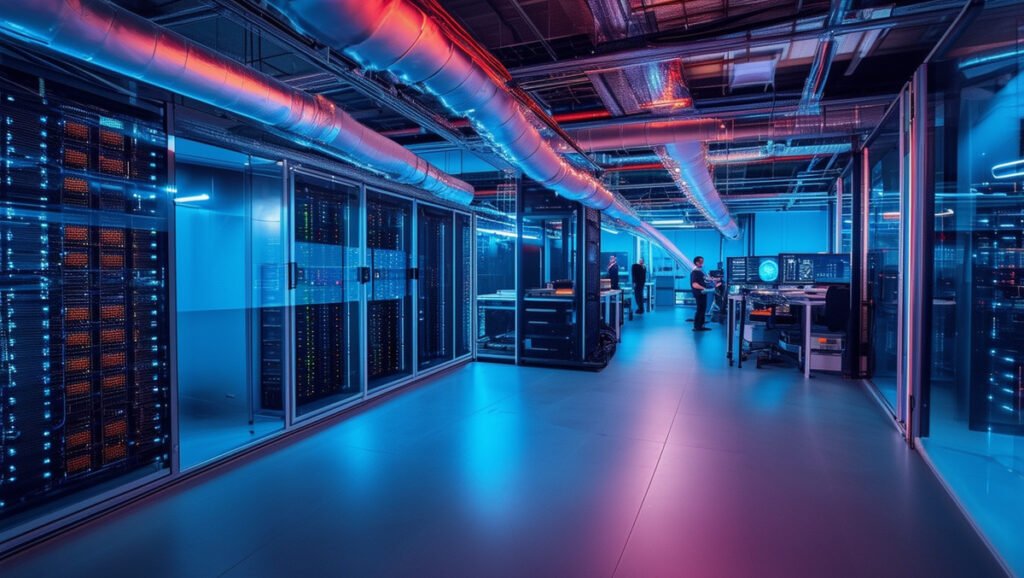
Most people picture AI as “just an app.” In reality, it runs on enormous data centres packed with GPUs, cooling systems, and constant power draw.
- Data centres already use ~415 TWh globally (about 1.5% of all electricity)
- That demand is growing fast, at ~12% per year
- By 2030, usage could reach ~945 TWh (roughly Japan’s total electricity use)
And AI is the main reason for that growth.
AI demand is accelerating faster than efficiency gains
- AI-specific data centre energy use jumped ~50% in 2025 alone
- AI could rise from 5–15% of data centre power today to 35–50% by 2030
- Electricity demand from data centres grew 17% in a single year (2025)
So even though AI systems are becoming more efficient per task, usage is exploding so quickly that total energy still goes up. Classic rebound effect: make something cheaper or faster, humans just use more of it.
Why AI uses so much power (and keeps needing more)
Training models is brutally energy-intensive
Training large AI models can take weeks across thousands of GPUs.
- One major model training run can consume tens of gigawatt-hours
That’s not a rounding error. That’s “powering a city for days” territory.
Advertisement

- 16 Million Colors: This gu10 smart bulb (bulb shape size: MR16) provides millions of vivid colors plus cool & warm ambie…
- Adjustable Brightness & Color Temp: Brightness (0-400lm) and color temperature (2700-6500K) can be tailored precisely to…
- Convenient Intelligent Controls: You can control the gu10 led bulb via Alexa and Google Home to free your hands, and wit…
Running AI (inference) never stops
Even after training, AI still needs energy every time it’s used:
- Billions of daily queries mean constant compute demand
- Even small per-query energy adds up at scale
Think of it like running a call centre that never closes, except every “call” requires a mini supercomputer.
Cooling is the hidden energy hog
Servers generate heat. Lots of it.
- Cooling systems can account for a significant share of total energy use
- Many centres still rely on energy-intensive air cooling systems
So the electricity bill isn’t just “AI thinking”, it’s also “AI not melting.”
Does AI save energy anywhere? (Yes… but it’s complicated)
Where AI does reduce energy use
AI can improve efficiency in:
- Logistics (route optimisation)
- Energy grids (smart balancing)
- Manufacturing (predictive maintenance)
- Buildings (smart heating/cooling)
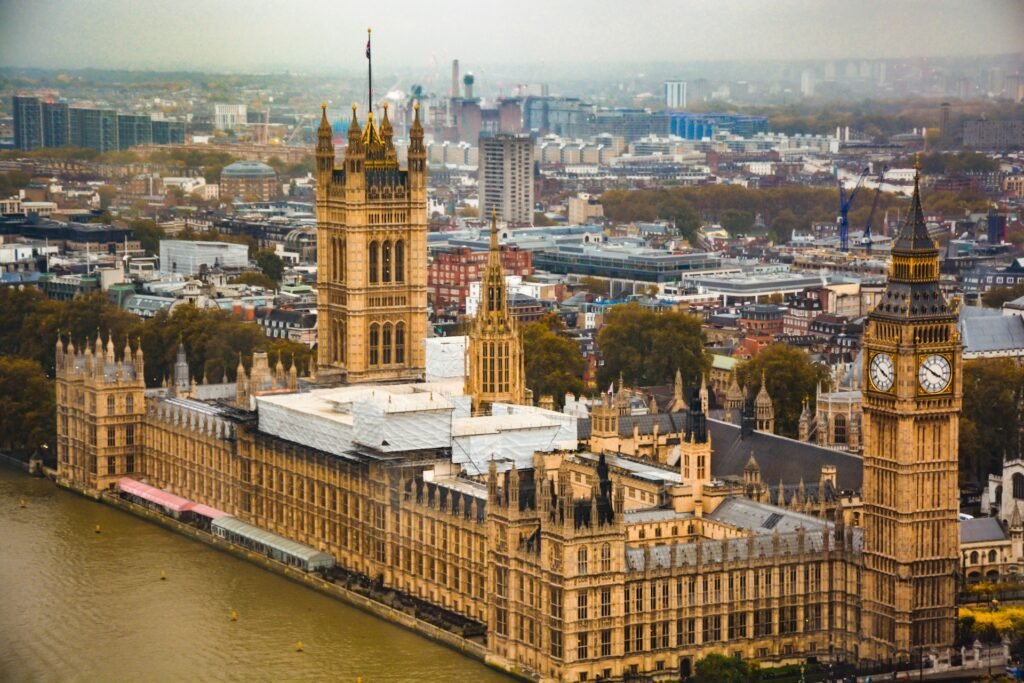
Governments (including the UK) acknowledge that digitalisation can replace more energy-intensive physical processes
The problem: savings vs demand
Here’s the catch:
- Efficiency gains are incremental
- AI demand growth is exponential
So even if AI saves energy in some sectors, the total system often still consumes more.
It’s like buying a fuel-efficient car… then deciding to drive twice as much.
How this affects consumers in the UK (the part you actually care about)

1. Electricity prices face upward pressure
More demand = more strain on the grid.
- Utilities are already reporting rising demand driven by AI data centres
- Infrastructure upgrades cost billions
That cost doesn’t vanish. It gets passed on.
In practical terms:
- Higher wholesale electricity prices
- Increased network charges
- More volatility in tariffs
2. Localised price spikes (this is the sneaky one)
Data centres are often clustered (including parts of the UK and Ireland).
- In Ireland, data centres already use ~20%+ of national electricity
When supply is tight locally:
- Prices spike faster
- Grid stress increases
- Backup fossil generation may be used
Consumers near these hubs can feel it first.
Advertisement
- SO MANY TOYS IN A SNAP: Make dozens of cool electronic gadgets – all from one box! A safe and fun way to introduce child…
- EXPLORE ALTERNATIVE ENERGY IN A SNAP: With 45+ parts build over 125 fun green-energy projects! Make your own solar light…
- GREAT GIFT Give the gift of learning and fun this holiday season! Snap Circuits kits will keep kids busy and having fun …
3. Hidden cost increases in everyday services
Even if your electricity bill doesn’t explode overnight, AI costs creep in elsewhere:
- Cloud services → higher pricing
- SaaS tools → subscription increases
- Banking, insurance, retail → pass-through costs
Basically, every “AI-powered” feature you didn’t ask for has a power bill behind it.
4. Government intervention risk
To keep grids stable, governments may:
- Prioritise industrial users (like data centres)
- Introduce energy levies or regulations
- Push costs into taxation or tariffs
Not exactly thrilling bedtime reading for SMEs.

What experts are actually saying (without the PR gloss)
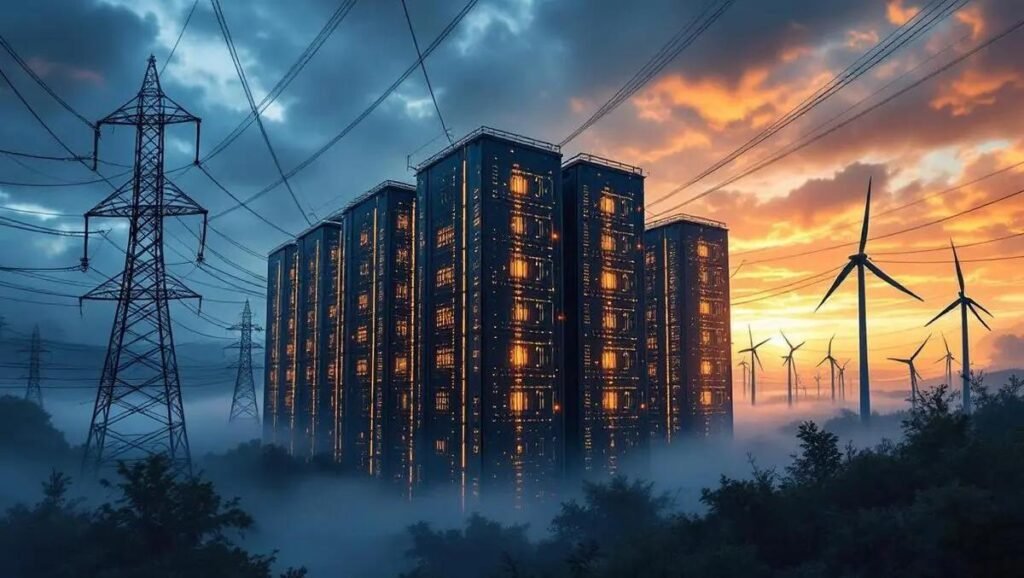
- Researchers warn AI is becoming a “structural component of power systems”
- Studies suggest AI could reach country-scale electricity demand
- The International Energy Agency highlights that demand is doubling and requires major coordination between tech and energy sectors
Translation: this is no longer a tech problem. It’s an infrastructure problem.
So… will AI use more energy than it saves?
The honest answer
Right now and over the next decade: very likely yes (in total terms)
- Efficiency gains exist
- But demand growth massively outpaces them
AI is following the same pattern as:
- The internet
- Smartphones
- Streaming
All became more efficient… and still consumed more energy overall.
What this means for UK businesses and consumers
Short-term (next 2–5 years)
- Rising electricity costs (moderate but noticeable)
- More expensive digital services
- Increasing grid pressure in certain regions
Medium-term (5–10 years)
- Energy becomes a competitive factor for AI adoption
- Businesses may need to consider energy cost of AI, not just subscription cost
- Potential regulatory controls on data centres
Advertisement

Long-term
Depends on one thing: whether AI infrastructure shifts to:
- Renewable-heavy systems
- More efficient chips
- Smarter workload management
If not, you’re looking at AI becoming one of the largest drivers of electricity demand globally.
Final reality check
AI isn’t going to “break the grid” overnight, despite what dramatic headlines imply. But it’s quietly turning into something much less glamorous:
A massive, always-on industrial energy consumer dressed up as a chatbot.
Convenient, useful, occasionally brilliant… and sitting behind a meter that never stops spinning.
Find Help and Support
We have created Professional High Quality Downloadable PDF’s at great prices specifically for Personal or Business use in the UK. Which include help and advice on understanding what Artificial Intelligence is all about and how it can improve your business. Find them here.