A Sector Between Art and Commerce
Independent photography businesses and creative retail shops across the UK are navigating one of the most complex transitions in decades.
From high street camera retailers to independent print galleries and portrait studios, the sector sits at the intersection of:
- Rapid AI image generation
- Declining physical retail footfall
- Rising operational costs
- Social media-driven consumer behaviour
Unlike mainstream retail, photography and creative SMEs rely heavily on expertise, trust and artistic identity. That gives them resilience — but not immunity.
According to industry commentary in the British press and analysis from the British Institute of Professional Photography (BIPP), independent photographers are experiencing both disruption and unexpected opportunity.
The Camera Shop Dilemma: Competing With Online Giants
Specialist Knowledge vs Online Pricing
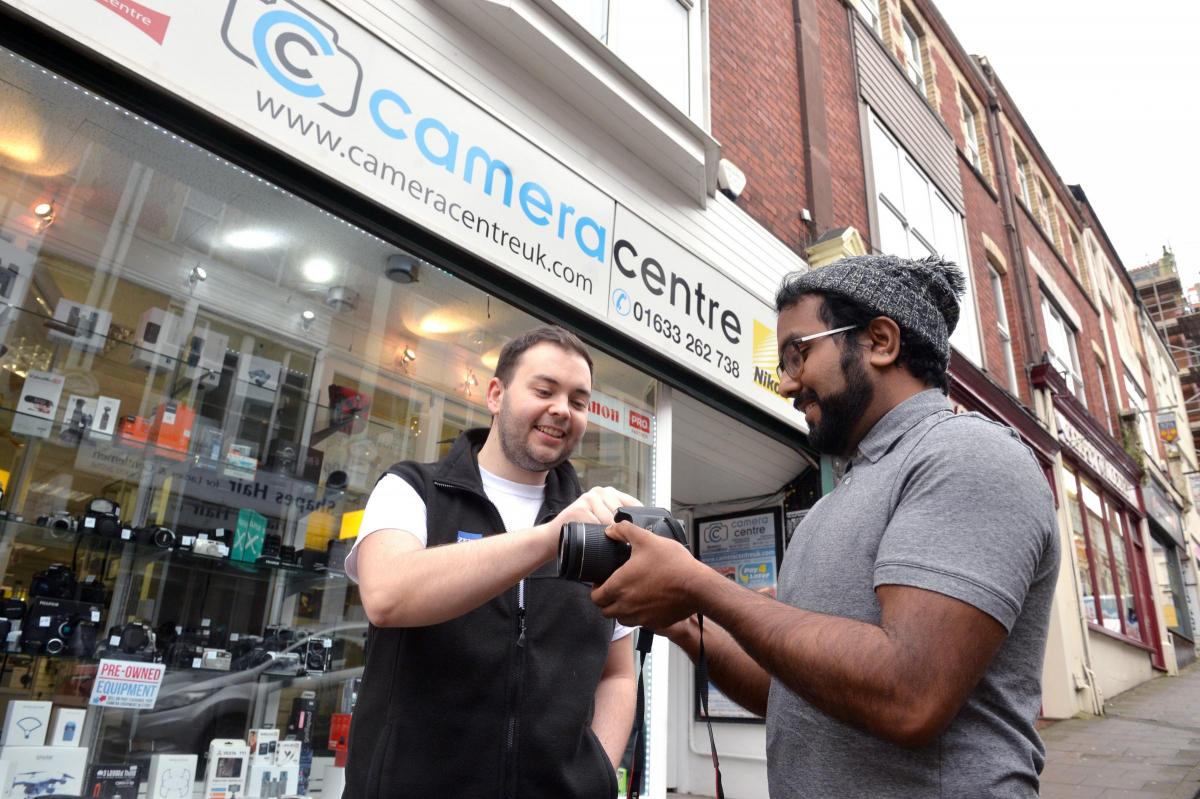
Independent camera retailers face intense pressure from e-commerce platforms and large national players such as Wex Photo Video and global marketplaces.
Margins on camera bodies and lenses are thin. Many independents survive by:
- Offering repair services
- Hosting workshops
- Providing in-person expertise
- Building community loyalty
Retail analysts cited in Retail Week frequently note that experiential retail is one of the few defensible positions left on the high street.
A Midlands-based shop owner recently told regional press:
“We don’t win on price. We win on advice.”
The risk? If younger consumers increasingly rely on YouTube reviews and AI comparison tools, the advisory advantage narrows.
Sources:
- retail-week.com
- British Institute of Professional Photography – bipp.com
Portrait & Wedding Photography: Human Touch vs AI Tools
AI Editing Is Changing the Workflow
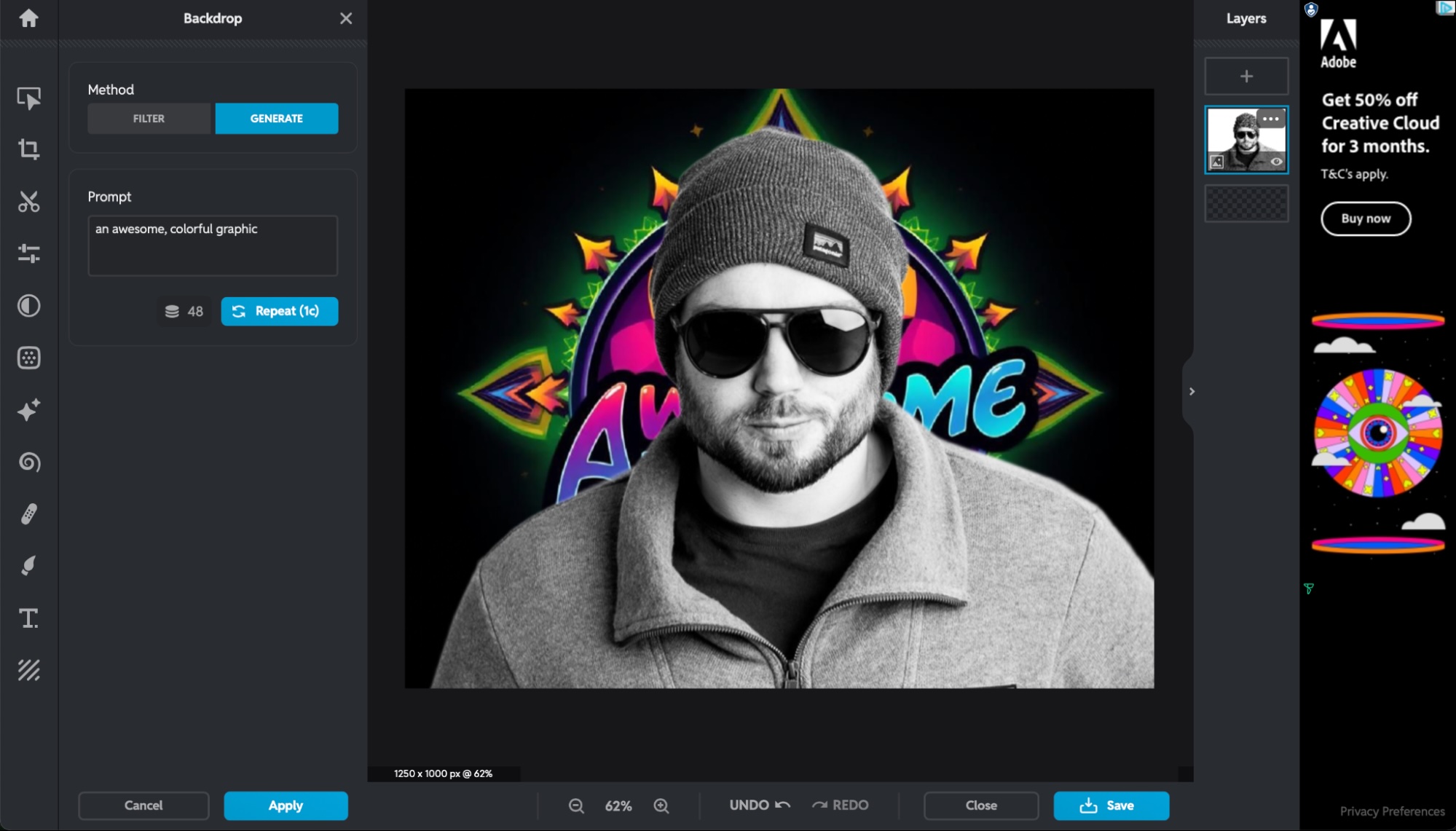
Portrait and wedding photographers face a different dynamic.
Demand for weddings and family photography remains strong post-pandemic, but editing workflows are transforming rapidly.
AI-powered tools now assist with:
- Skin retouching
- Background replacement
- Colour grading
- Culling large photo sets
Professional associations including the Royal Photographic Society (RPS) have hosted debates around AI ethics and authorship.
The key question is not whether photographers will use AI — many already do — but whether clients will perceive reduced value if AI performs part of the creative process.
Yet there is a counterpoint.
Clients still pay for:
- Direction
- Emotional intelligence
- Timing
- Personal rapport
AI cannot manage a nervous bride, a restless toddler or unpredictable British weather.
Sources:
- rps.org
- The Guardian arts and media reporting
Creative Print Retail: Niche, Local, Loyal
Prints, Framing and Artisan Appeal
Independent print shops and creative retailers selling art photography, handmade prints and framing services are leaning into:
- Hyper-local branding
- Limited editions
- Sustainability
- Community engagement
Reports from the Federation of Small Businesses show that niche retailers who embed themselves into local culture are more resilient than generic stockists.
Creative retail benefits from emotional purchasing. A framed local landscape or limited-edition portrait has narrative value that mass-produced décor cannot replicate.
However, cost pressures remain acute:
- Rent
- Energy
- Specialist materials
- Skilled labour
The challenge is scale. Many creative retailers remain owner-operated with limited growth capacity.
Sources:
- fsb.org.uk
- BBC high street reporting
Advertisement

- WORLD’S FASTEST AUTOFOCUS: Achieves 0.02-second AF acquisition with 425 phase-detection and 425 contrast-detection point…
- ADVANCED REAL-TIME EYE AF AND TRACKING: Includes Sony’s AI-based object recognition for Real-Time Eye AF and Real-Time T…
- IDEAL FOR VLOGGERS AND CONTENT CREATORS: High-resolution 4K HDR movie recording, Fast Hybrid AF for video, and a 180-deg…
Social Media: Marketing Lifeline or Dependency Trap?
Instagram, TikTok and Pinterest are essential platforms for photography SMEs.
They provide:
- Direct-to-consumer visibility
- Free portfolio distribution
- Influencer collaboration
- Online print sales
But platform dependency is a strategic risk.
Algorithm changes can reduce reach overnight. Paid advertising costs are rising. And increasingly, AI-generated imagery floods feeds, competing for attention.
As one London-based photographer told The Guardian:
“You’re not just competing with other photographers. You’re competing with machines generating infinite content.”
The real-world implication? Independent photographers must build owned channels — email lists, websites and repeat clientele — not rely solely on platforms.
Sources:
- theguardian.com/business
- UK SME digital adoption commentary via techuk.org

Stock Photography & Commercial Work: The Sharp Edge of AI
Perhaps no segment feels AI pressure more acutely than stock and commercial photography.
AI image generators can now produce:
- Corporate headshots
- Conceptual marketing visuals
- Generic lifestyle imagery
Stock agencies globally are integrating AI-generated content, altering the economics of traditional stock submissions.
This poses challenges for UK-based commercial photographers who previously relied on recurring licensing income.
However, bespoke commercial photography — especially for brands wanting authentic, UK-specific imagery — remains valuable.
Clients increasingly want:
- Real locations
- Real staff
- Real diversity
- Verified authenticity
That may protect higher-end commercial work while commoditising generic imagery.
The Financial Reality: Slim Margins, High Skill
Photography and creative retail are skill-intensive industries with modest profit margins.
Common financial challenges include:
- Equipment investment costs
- Insurance
- Studio rent
- Seasonal income fluctuations
- VAT thresholds
Support organisations such as the British Business Bank highlight that creative SMEs often struggle with traditional lending due to inconsistent cash flow.
This results in:
- Bootstrapping
- Side-income models
- Portfolio careers
Resilience often comes from diversification: teaching workshops, offering digital products, combining retail and service models.
Sources:
- british-business-bank.co.uk
- UK Government SME finance reports – gov.uk
The Outlook: Adaptation, Not Extinction
Independent photography and creative retail in the UK are not disappearing. But they are evolving.
Likely trends over the next five years:
- AI integrated into workflow, not replacing professionals
- Fewer generalist high street camera shops
- Growth in community-driven creative spaces
- More hybrid models (studio + online shop + workshops)
- Premium pricing for authenticity and personal service
The core differentiator remains human connection.
As one professional member of the Royal Photographic Society recently summarised:
“Technology changes. The need to capture memory and identity doesn’t.”
Key References & Further Reading
- British Institute of Professional Photography – https://www.bipp.com
- Royal Photographic Society – https://rps.org
- Federation of Small Businesses – https://www.fsb.org.uk
- British Business Bank – https://www.british-business-bank.co.uk
- Retail Week – https://www.retail-week.com
- BBC Business – https://www.bbc.co.uk/news/business
- The Guardian Business & Arts – https://www.theguardian.com/business
Find Help and Support
We have created Professional High Quality Downloadable PDF’s at great prices specifically for UK Businesses. Which include help and advice on understanding what Artificial Intelligence is all about and how it can improve your business. Find them here.