The uncomfortable truth: it’s not the technology… it’s the consequences
Employees across the UK are not, despite the dramatic headlines, terrified of robots becoming self-aware and staging a coup over the office printer.
They are worried about something far more immediate and personal:
- Losing relevance
- Losing control
- Losing their job, or at least the version of it they understand
According to Office for National Statistics and PwC research, concerns around AI centre on job security, skills gaps, and changing roles rather than total job extinction.
“AI will transform jobs rather than eliminate them entirely, but workers will need to adapt.” – PwC
https://www.pwc.co.uk/issues/data-and-analytics/artificial-intelligence.html
So yes, people are worried. Just not in the way science fiction would prefer.
What scares UK employees most about AI
Job loss and role uncertainty

The fear
“Will my job still exist in a few years?”
The reality
AI is more likely to:
- Change roles
- Remove repetitive tasks
- Shift skill requirements
But that nuance doesn’t always reassure people.
The Institute for Public Policy Research warns that millions of roles could be reshaped by AI over time.
“AI could significantly alter large portions of the UK labour market.”
https://www.ippr.org
Why it feels threatening
Because uncertainty is harder to process than a clear outcome.
Falling behind colleagues who adopt AI faster
The fear
“What if everyone else gets faster and better than me?”
Advertisement

- Ready for a true multitasking marvel? This advanced Android 16 tablet delivers seamless performance with a powerful…
- Watch, play, and scroll in fluid detail. The stunning 11 inch tablet features a 90Hz display that brings movies and…
- Meet your creative co-pilot: built-in AI. This AI tablet features Gemini AI, your intelligent assistant for writing…
The reality
AI creates performance gaps.
Employees who use AI effectively can:
- Work faster
- Produce more output
- Appear more productive
According to McKinsey & Company:
“AI can significantly enhance individual productivity, creating disparities between users and non-users.”
https://www.mckinsey.com
Why it matters
This is not just job loss fear. It’s career stagnation fear.
Lack of understanding and confidence

The fear
“I don’t understand this, and I’m expected to use it.”
The reality
Many employees feel:
- Undertrained
- Unsupported
- Pressured to adapt quickly
The Department for Science, Innovation and Technology highlights skills gaps as a major barrier.
“A lack of AI skills is one of the most significant challenges facing adoption.”
https://www.gov.uk/government/publications/ai-adoption-research/ai-adoption-research
Why it matters
Because confidence often determines adoption more than capability.
Trust and accuracy concerns
The fear
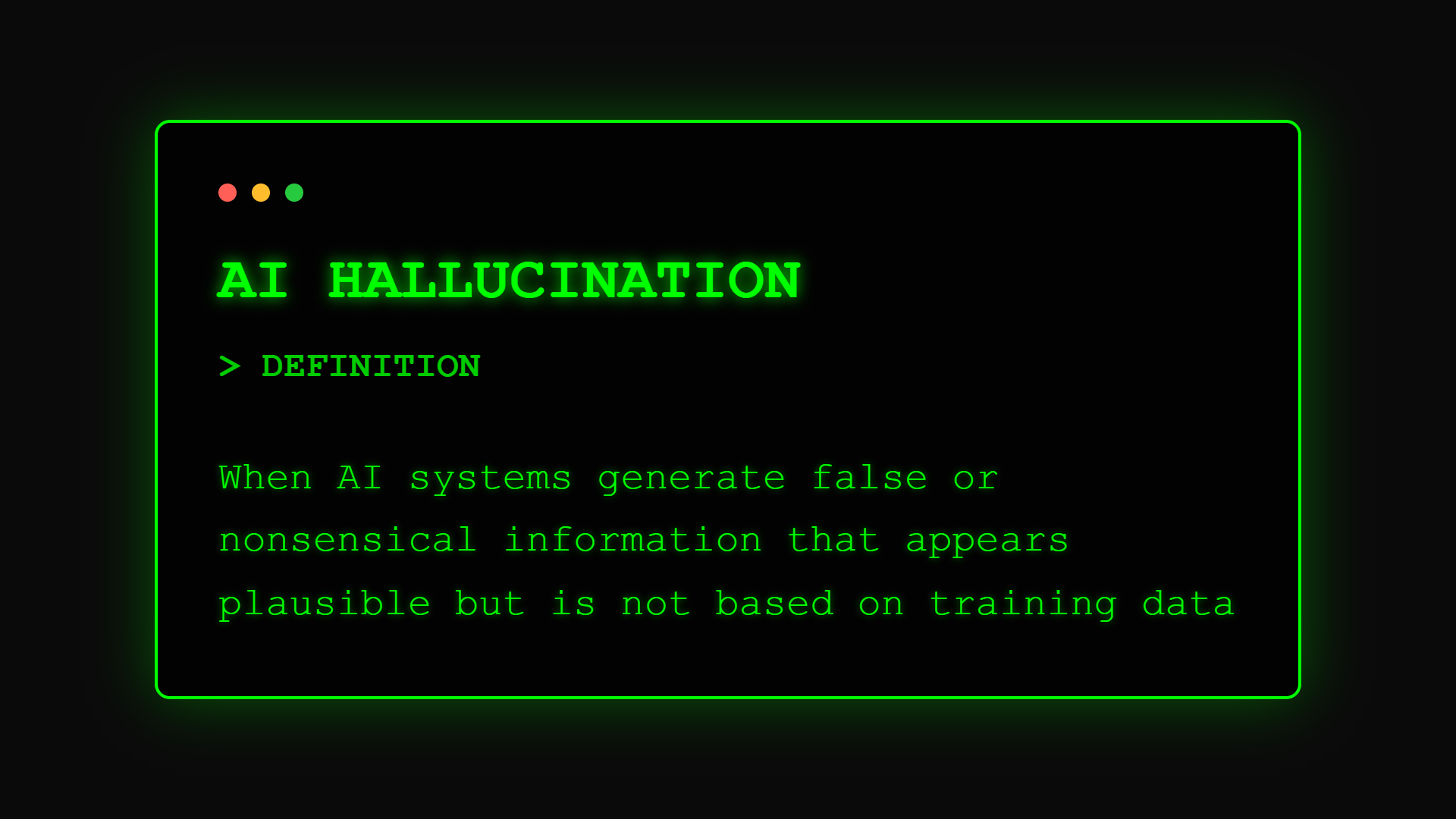
“Can I trust what this produces?”
The reality
AI can:
- Produce incorrect information
- Sound convincing when wrong
- Require verification
This creates tension between speed and reliability.
Why it matters
Employees fear being blamed for AI mistakes they didn’t fully control.
Loss of human value and identity at work
The fear
“What’s my value if a machine can do this?”
The reality
AI challenges:
- Creative roles
- Knowledge-based tasks
- Decision-making processes
Why it matters
Work is tied to identity. AI disrupts that.
What is being done to make employees more comfortable?
Workplace training and upskilling programmes
Organisations are investing in:
- AI literacy training
- Digital skills programmes
- Internal workshops
The UK Government and Department for Education are also pushing digital skills initiatives.
“Upskilling is essential to ensure workers can benefit from AI adoption.”
https://www.gov.uk
Advertisement

- FAST RUNS IN THE FAMILY — The 14 inch MacBook Pro with the M5 Pro or M5 Max chip brings next-generation speed and powerf…
- BUCKLE UP — Along with a next-generation CPU, faster unified memory and up to 2x faster SSD storage,* M5 Pro and M5 Max …
- BUILT FOR AI — Apple silicon, and every major component that powers it, is designed to run demanding on-device AI worklo…
Will it work?
Yes, when:
- Training is practical
- Ongoing, not one-off
- Relevant to actual roles
Clear AI policies and governance
Companies are introducing:
- AI usage policies
- Data handling rules
- Approval processes
The Information Commissioner’s Office stresses governance.
“Organisations must ensure AI is used responsibly and lawfully.”
https://ico.org.uk
Will it work?
Partially. Policies reduce risk, but don’t eliminate fear.
Positioning AI as a support tool, not a replacement

Employers are increasingly framing AI as:
- A productivity tool
- A support system
- A way to remove repetitive work
Will it work?
Yes… if employees actually see benefits in their daily work.
If not, it just sounds like corporate reassurance.
Government and industry initiatives
The UK government is promoting:
- AI adoption frameworks
- Skills development
- Responsible AI use
The Office for National Statistics continues to track workforce impact.
Will it work?
Gradually. Policy helps, but behaviour changes slowly.
Will employees be scared of falling behind?

Yes. Increasingly so.
Employees are recognising that:
- AI improves productivity
- AI users appear more efficient
- AI skills are becoming expected
This creates a new kind of workplace pressure:
Not learning AI starts to look like not keeping up.
Real-world implications if employees resist AI
Reduced competitiveness
Employees who avoid AI may:
- Work slower
- Produce less output
- Miss opportunities
Career stagnation
They may:
- Be overlooked for promotions
- Be seen as less adaptable
- Lose relevance in evolving roles
Increased stress and anxiety
Avoiding AI often increases pressure rather than reducing it.
Business impact
For organisations, widespread reluctance leads to:
- Slower innovation
- Lower efficiency
- Competitive disadvantage
Expert insight
PwC
“AI will augment jobs, but workers must adapt to remain relevant.”
McKinsey & Company
“Organisations that invest in skills development see better outcomes from AI adoption.”
Office for National Statistics
“The impact of AI will vary by role, but adaptation will be key.”
Final judgement
UK employees are not irrationally afraid of AI.
They are responding logically to:
- Uncertainty
- Change
- Pressure to adapt
Efforts to reduce fear will work if they focus on real skills, real benefits, and real support.
And the uncomfortable truth?
The biggest long-term risk is not AI replacing employees.
It’s employees who refuse to engage with AI being quietly outpaced by those who do.
Not dramatic. Not immediate.
Just gradual… and very effective.
Find Help and Support
We have created Professional High Quality Downloadable PDF’s at great prices specifically for Small and Medium UK Businesses. Which includes help and advice on understanding what Artificial Intelligence is all about and how it can improve your business. Find them here.