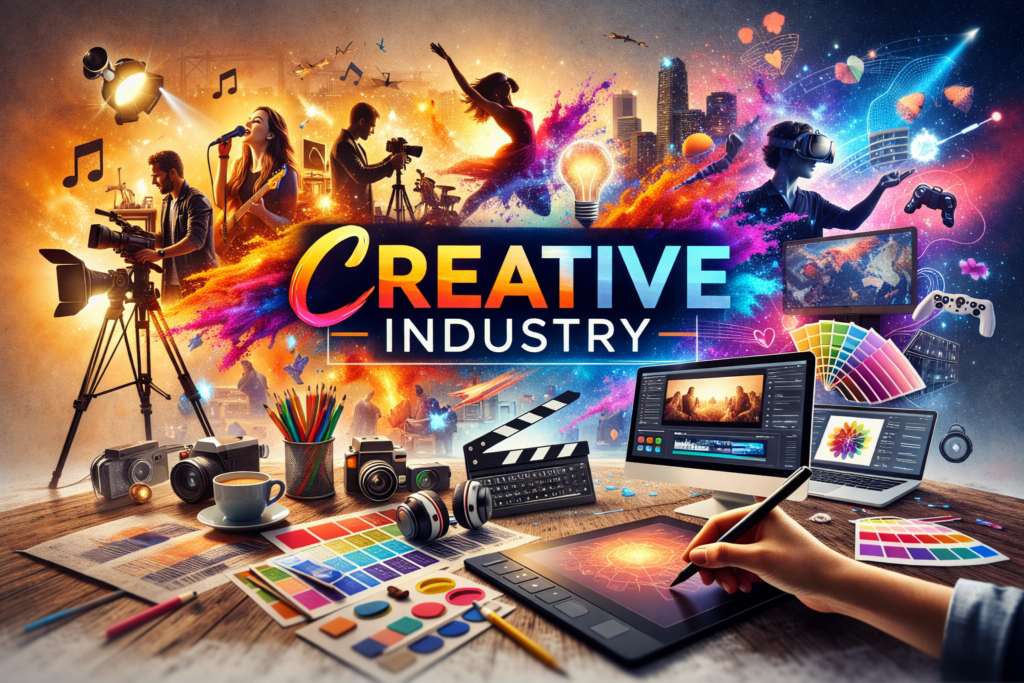
🎭 1. A Sector at the Heart of the UK Economy
The UK creative industries contribute tens of billions to the economy, employing millions and supporting music, film, design, advertising and more. AI is now deeply woven into creative workflows — but it’s also disrupting them.
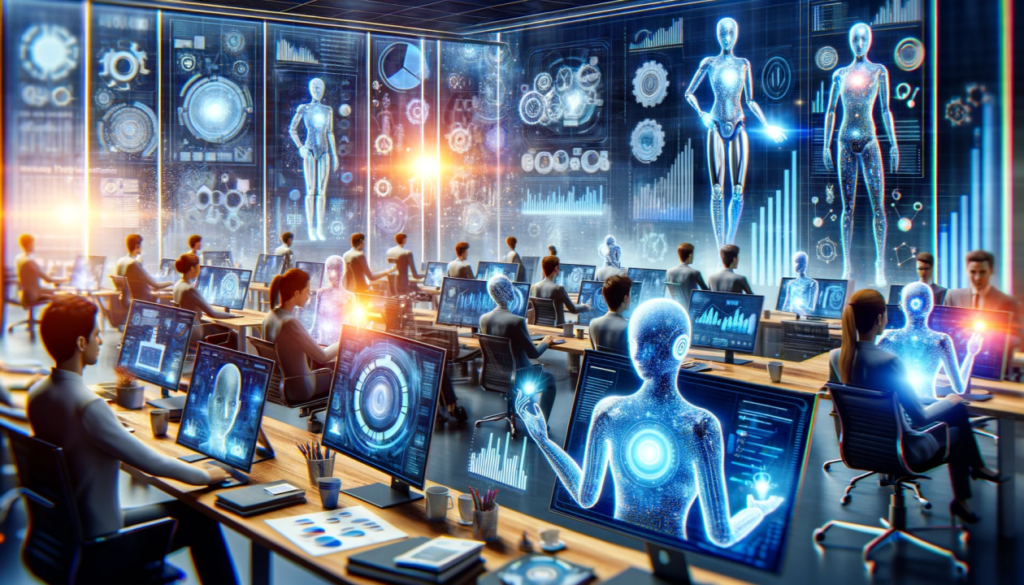
🤖 2. AI as a Tool for Creativity and Production
Positive impacts and adoption:
- Many UK creators and businesses are already using AI tools to assist with design, post-production, ideation and prototyping.
- Creative sectors such as advertising, games, music and film are experimenting with AI for speed and new forms of expression.
Innovation opportunities:
- AI can reduce costs and increase accessibility to creative tools, helping indie creators make high-quality work.
- A “hybrid creativity” future is emerging, where human artists collaborate with AI-assisted tools to expand expression.
Advertisement

- Voice Control- Tapo smart bulb works with Amazon Alexa and Google Assistant for Voice Control; Manage the lights with yo…
- Dimmable – With dimming range from 1 to 100 Percent, set the right brightness for any mood or activity with your light b…
- Remote Control – The whole room is dark when you get off from work at night, then you need to fumble around to find the …
⚠️ 3. Copyright, Ownership & Fair Compensation
This is the central flashpoint:
🚩 Training Data & Rights
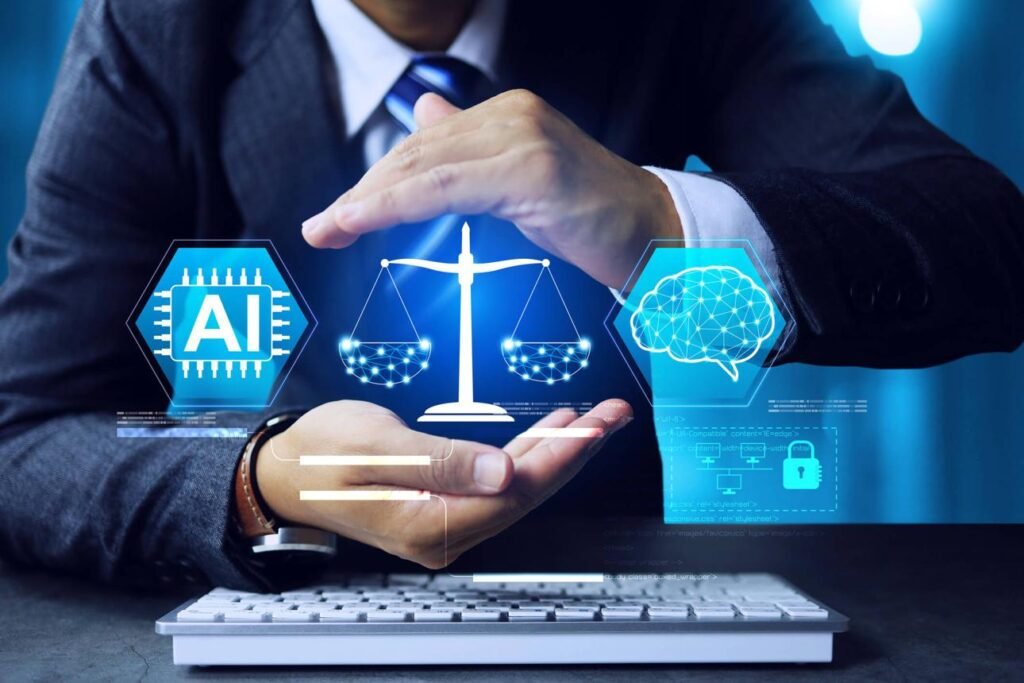
One of the biggest debates in the UK centres on whether AI models can legally train on copyrighted creative works (art, music, text) without permission — and whether creators should be compensated for this.
- UK government consultations have proposed clarifying AI copyright law to support both creators and developers.
- Creative organisations argue that unregulated AI harvests content without rewarding the original artists, reducing their ability to make a living.
See our PDF download: Protecting Your UK AI Copyrights
🧑🎨 Creators Raising Their Voices
- Thousands of UK artists — including musicians, writers and filmmakers — have publicly campaigned for stronger copyright protections and transparent AI use.
- Creative unions report that many in the sector feel job security and the value of their work are being undermined by generative AI.
📉 4. Real-World Disruption to Creative Jobs
Recent reports show actual workforce shifts in creative industries:
- UK advertising agencies are seeing large staff departures and reduced hiring — often attributed to AI automation of creative tasks and changing career expectations.
- Many creatives express anxiety that unregulated AI may replace some human jobs or undercut earnings.
🧠 5. Industry Pushback and Regulation
Key responses include:
🎖️ Policy & Advocacy
- Organizations and MPs in the UK argue for protecting creators’ rights and ensuring AI companies cannot exploit creative content without consent or payment.

UK ad agencies undergo their biggest exodus of staff as AI threatens industry
🏆 Cultural Standards
- Institutions such as BAFTA are explicitly defining how AI should be used in awards and film production — prioritizing human creativity and placing limits on AI involvement in some categories.
See our PDF download on How Can AI Help My Small UK Advertising Business
📣 Sector Awareness Campaigns
- Public campaigns like “Make It Fair” have mobilized news brands and creators to educate audiences about perceived threats from AI to the UK’s creative heritage.

Bafta to reward ‘human creativity’ as film and TV grapples with AI
🎨 6. UK Artists Engaging With AI on Their Own Terms
Beyond protest, many UK creators are actively incorporating AI into their artistic practice:
- Artists such as Alexandra Daisy Ginsberg use AI to explore concepts at the intersection of technology, art and ecology.
- “AI art” isn’t just derivative — some creatives use machine learning as a *medium * to push conceptual boundaries.
This reflects a broader trend: artists using AI not just as a tool but as part of their creative expression.
Advertisement

- Voice Command & APP Control: Experience the future of play with our Robot Dog that responds to voice commands and can be…
- Rechargeable Fun: This Robot Dog Toy is equipped with a rechargeable battery, ensuring endless hours of fun without the …
- Interactive Programming: The Robot Dog Toy allows children to program various actions and behaviors, enhancing creativit…
🧩 7. Looking Ahead: Balancing Innovation With Protection
The UK creative industry’s future with AI hinges on several factors:
⚖️ Legal Frameworks
Clear, fair copyright rules will influence whether artists are protected — and whether the UK remains attractive for both AI tech and creative investment.
🤝 Collaboration vs Competition
The best outcomes may come not from banning AI, but from building ethical partnerships between creators and tech developers.
🧑🎓 Skills & Education
As AI reshapes tools and job roles, UK creatives may need training in hybrid tech-creative skills — merging traditional craft with computational fluency.
🧠 In Summary
AI is reshaping the UK creative industry in profound ways:
✅ It provides new tools, speeds workflows, and can enhance creative expression.
⚠️ It raises serious concerns about copyright, fair pay, and job security.
🛠️ The sector is pushing for laws and standards that protect human creators while enabling responsible AI innovation.
The conversation is still evolving — and how the UK chooses to regulate and adapt could set a global example for balancing tech innovation with artistic rights.
Help and Support
We have created Professional High Quality Downloadable PDF’s at great prices specifically for UK Businesses. Which include various helpful documents and real world scenarios your business might experience, showing what to do and how to protect your business. Find them here.