AI is quietly transforming British agriculture — from how fields are monitored to how livestock are fed. For some farmers, it promises higher yields and lower costs. For others, it feels like another expensive obligation in an already squeezed industry.
Below is a detailed, double‑checked look at:
- How AI is used in UK farming
- How badly the sector is affected (positively and negatively)
- The real‑world repercussions for farmers
How AI Is Being Used on UK Farms
1. Precision Farming and Crop Monitoring
AI systems now analyse data from:
- Drones and satellite imagery – spotting stressed crops, nutrient deficiencies, or waterlogging
- Soil and weather sensors – feeding into models that recommend when to sow, irrigate, spray or harvest
The Agri‑Tech Centre (formerly part of the UK’s Agri‑Tech Centres network) and University of Reading report that farms using precision techniques can:
- Increase yields by up to 10–15%
- Cut fertiliser and pesticide use by 10–20%
Dr Alistair Murdoch, crop science expert at the University of Reading, has said:
“AI allows farmers to manage variability within fields in ways that just weren’t realistic before. Instead of treating 50 hectares as one block, they can treat it as hundreds of micro‑fields.”
This is particularly relevant for arable farms in East Anglia, Lincolnshire, and Yorkshire.
Advertisement

- 16 Million Colors: This gu10 smart bulb (bulb shape size: MR16) provides millions of vivid colors plus cool & warm ambie…
- Adjustable Brightness & Color Temp: Brightness (0-400lm) and color temperature (2700-6500K) can be tailored precisely to…
- Convenient Intelligent Controls: You can control the gu10 led bulb via Alexa and Google Home to free your hands, and wit…
2. Robotics and Automation
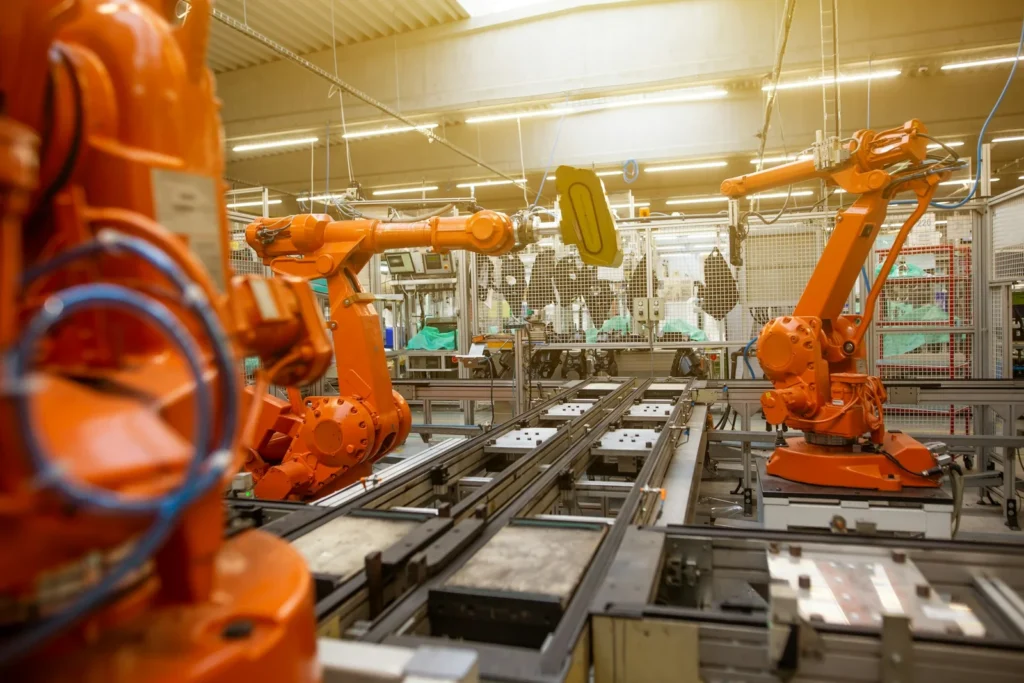
AI is central to a new wave of agricultural robots in the UK:
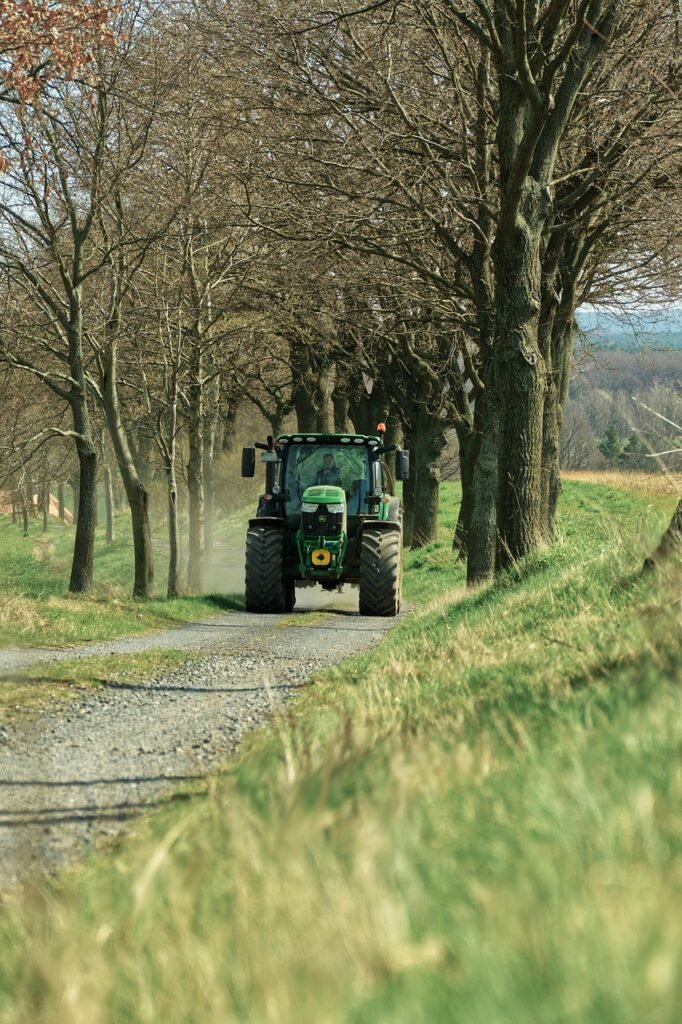
- Autonomous tractors that follow AI‑guided routes
- Robotic weeders that kill weeds mechanically or with micro‑doses of herbicide
- Automated milking systems that monitor cow health and yield
The Small Robot Company (Wiltshire) has trialled its Tom, Dick and Harry robots across British farms, using AI to:
- Map every plant
- Target only weeds
- Reduce chemical usage significantly
These technologies save labour in a sector struggling with post‑Brexit worker shortages, but they also displace traditional jobs.
3. Livestock Health and Behaviour Monitoring
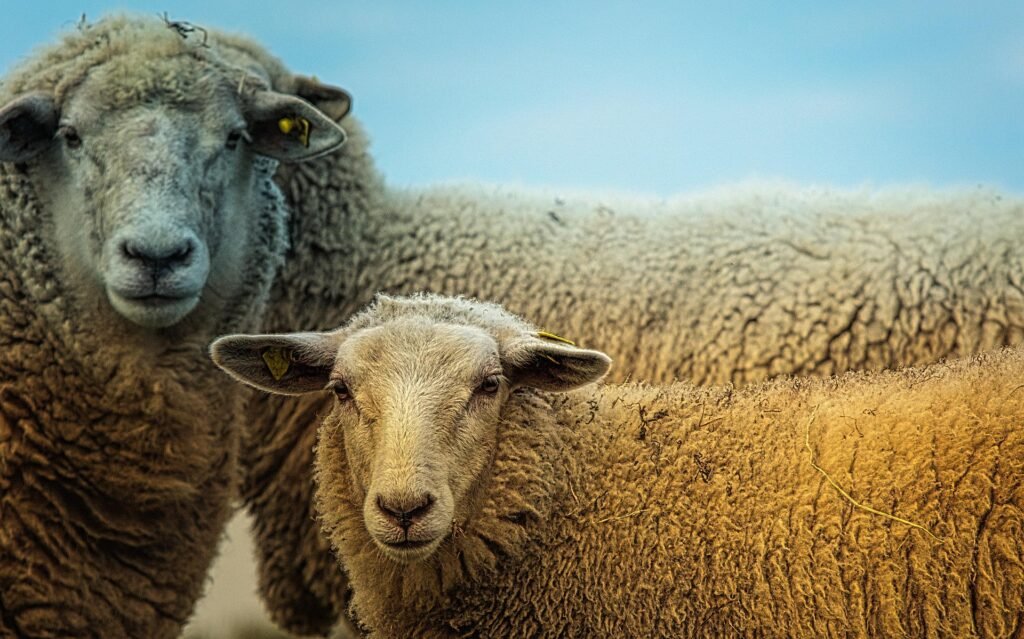
In dairy, sheep and pig systems, AI tools now:
- Track animal movement and feeding patterns by camera
- Flag early signs of lameness, illness or abnormal behaviour
- Optimise feeding regimes to boost weight gain and milk yields
The Royal Veterinary College and Agri‑EPI Centre have documented AI systems reducing mortality and treatment costs on pilot farms by detecting problems far earlier than visual inspection alone.
Professor Eleanor Riley, a veterinary epidemiologist, noted:
“For large herds, AI is becoming the extra pair of eyes that never blinks.”
4. Market and Supply Chain Forecasting
AI helps farmers and agribusinesses:
- Predict demand and prices for beef, lamb, cereals and vegetables
- Plan contracts and storage more intelligently
- Respond more quickly to changes in global markets and weather‑related supply shocks
Organisations such as AHDB (Agriculture and Horticulture Development Board) use predictive analytics to provide outlook reports to farmers, giving them better data on when to sell or hold produce.
How Badly Is UK Agriculture Affected by AI?
“Badly” here has two sides: disruption and dependence.
Economic Divide: Big Farms vs Small Farms
AI and robotics are capital intensive:
- Full precision‑farming packages and automated machinery can cost from £100,000 to £500,000+.
- Larger farms and agribusinesses can spread these costs across sides: disruption and dependence.
Economic Divide: Big Farms vs Small Farms
AI and robotics are capital intensive:
- Full precision‑farming packages and automated machinery can cost from £100,000 to £500,000+.
- Larger farms and agribusinesses can spread these thousands of acres.
- Smaller family farms, especially in upland or mixed farming regions, often cannot justify or finance these investments.
The National Farmers’ Union (NFU) Digital Technology Survey (2025) found that:
- Around 30% of larger UK farms were using some form of advanced AI‑enabled system.
- Among small farms, adoption was much lower – well under 20%.
NFU President Minette Batters has repeatedly warned:
“If support and infrastructure don’t keep pace, we risk creating a two‑tier agriculture – those who can afford to farm with data, and those who are pushed out because they can’t.”
So AI is not yet universal – but where it does arrive, it deepens the gap.
Labour and Skills Shock
AI reduces the need for:
- Manual crop scouting
- Routine herding and feeding tasks
- Some seasonal harvest work
The Royal Agricultural University estimates that 10–15% of on‑farm jobs could be automated by 2035 on highly mechanised holdings, especially in arable and dairy.
At the same time, AI creates demand for new skills:
- Data technicians
- Robotics engineers
- Precision‑farming specialists
But many existing workers are not easily redeployed into these highly technical roles, particularly older farmers and rural labourers who have built their skills around machinery and livestock, not coding and data analysis.
A RABI (Royal Agricultural Benevolent Institution) report (2025) also highlighted “technology stress” as a growing factor in farmer mental health – a sense of being pressured to adopt tools they do not fully understand, fear breaking, or can’t afford.
Dependence on Tech Vendors
Most AI platforms in UK farming are:
- Owned by multinational tech or equipment firms
- Provided via subscription or service contracts
- Hosted in cloud environments controlled by third‑party providers
This leads to several risks:
- Vendor lock‑in – once a farm’s data and decisions are embedded in a particular AI system, switching provider becomes costly.
- Data ownership – there is still ambiguity in many contracts about who ultimately owns and can exploit field and performance data.
- Price vulnerability – if subscription prices rise or features are paywalled, farmers’ margins suffer.
Dr Rosemary Collier of the Warwick Crop Centre has argued:
“We must avoid a future where British farmers are simply data suppliers to offshore tech companies who then sell ‘insights’ back to them at a premium.”
Repercussions for Farmers: The Human Side
1. Pressure to Modernise or Get Out
AI is increasingly built into policy expectations:
- DEFRA’s Environmental Land Management (ELM) incentives encourage data‑driven monitoring of soils, biodiversity and inputs.
- Large retailers and food processors may ask suppliers to evidence sustainability using digital audits, satellite data and AI‑assessed metrics.
This creates an implicit message:
“Modernise using digital tools – or risk losing contracts, subsidies or competitiveness.”
For some, the choice becomes: go high‑tech, sell to a larger operator, or exit farming altogether.
2. Changing Role of the Farmer
Historically, a British farmer’s value lay in:
- Experience
- Local knowledge
- Hands‑on skill with land and stock
With AI:
- More decisions are “recommended” by software dashboards.
- Autopilot machinery replaces manual steering.
- Animal health alerts come from apps rather than intuition.
That can feel empowering for some – but alienating for others. As one Cumbrian sheep farmer told a BBC Countryfilesegment:
“I didn’t get into farming to sit in front of a laptop watching graphs. I’m turning into a data clerk who occasionally goes outside.”
AI risks redefining farming as systems management, rather than land stewardship – a cultural shift not every farmer wants.
Advertisement

- Voice Command & APP Control: Experience the future of play with our Robot Dog that responds to voice commands and can be…
- Rechargeable Fun: This Robot Dog Toy is equipped with a rechargeable battery, ensuring endless hours of fun without the …
- Interactive Programming: The Robot Dog Toy allows children to program various actions and behaviors, enhancing creativit…
3. Environmental Gains vs Loss of Autonomy
On the plus side, AI can:
- Reduce nitrogen runoff and river pollution
- Target pesticides to specific plants
- Cut fuel use and carbon emissions
These are central to the UK’s net zero and clean water goals.
But if those environmental metrics are measured and enforced primarily via AI tools owned by others, farmers may feel that their professional autonomy is being eroded – effectively farming to satisfy algorithms designed by policymakers and corporations.
How Bad Is It, Overall?
In aggregate:
- Technically: AI is a net positive for yields and sustainability.
- Economically: It risks accelerating consolidation — more land in fewer hands.
- Socially: It increases stress, skills gaps and dependence for many small and mid‑sized farmers.
AI is not currently destroying UK agriculture, but it is reshaping it in ways that favour scale, capital and connectivity.
What Could Make AI Fairer for UK Farmers?
Experts and sector bodies often suggest:
- Targeted grants and tax relief to support smaller farms in adopting appropriate AI tools.
- Clear rules on data ownership so that farmers retain rights over their farm data.
- Rural broadband investment, so that AI systems work reliably outside urban and high‑value arable regions.
- Practical training programmes, delivered via agricultural colleges and advisory services, to bridge digital skills gaps.
The NFU, AHDB, and Agri‑Tech Centres are all lobbying for versions of these measures.
Key UK References
- NFU – Digital Technology in Agriculture: https://www.nfuonline.com
- DEFRA – Farming and technology policy pages: https://www.gov.uk/government/organisations/department-for-environment-food-rural-affairs
- Agri‑EPI Centre: https://www.agri-epicentre.com
- RABI – The Big Farming Survey: https://rabi.org.uk
- Royal Agricultural University: https://www.rau.ac.uk
- Warwick Crop Centre: https://warwick.ac.uk/fac/sci/lifesci/wcc
Summary
AI in UK agriculture is both a lifeline and a lever:
- A lifeline for productivity, environmental compliance and coping with labour shortages.
- A lever that can push power, profit and control away from individual farmers and towards large agribusinesses and tech providers.
For British farmers, the question is not whether AI will affect them – it already does. The real question is who will own, govern and fairly share the value of that intelligence.
Help and Support
We have created Professional High Quality Downloadable PDF’s at great prices specifically for UK Businesses. Which include various helpful documents and real world scenarios your business might experience, showing what to do and how to protect your business. Find them here.