Algorithmic Odds Making and Risk Management
Bookmakers and online betting platforms already employ advanced AI systems to assess millions of data points in seconds.
Algorithms now handle:
- Predictive modelling of sporting events.
- Real-time risk adjustment based on betting volumes.
- Dynamic odds generation responsive to minute-by-minute outcomes.
This technology, known as “algorithmic trading” in betting, has made human bookmaking skills largely redundant. British brands such as Betfair, William Hill, and Entain (Ladbrokes Coral) rely heavily on automated modelling to keep markets profitable and fast.
See our PDF download: Make Money Fast with AI Technology in The UK
Customer Profiling and Behaviour Prediction
AI analyses every click, wager, and hesitation of a gambler. Behavioural analytics systems track patterns to:
- Offer personalised promotions.
- Identify “high-value” bettors.
- Flag signs of problem gambling (where mandated).
The UK Gambling Commission encourages the use of AI to identify harmful behaviour early, yet cynically, many systems still prioritise targeting more frequent spenders over genuine welfare monitoring.
Advertisement

- 23.8″ FULL HD DISPLAY – 1920 x 1080 resolution in 16:9 format with 100Hz refresh rate and IPS technology for vibrant col…
- SMOOTH VISUALS – The 100Hz refresh rate reduces flicker for seamless scrolling and clear motion visuals – perfect for wo…
- TÜV RHEINLAND 3-STAR + COMFORTVIEW PLUS – Built-in ComfortView Plus reduces harmful blue light without compromising colo…
Chatbots and Automated Interaction
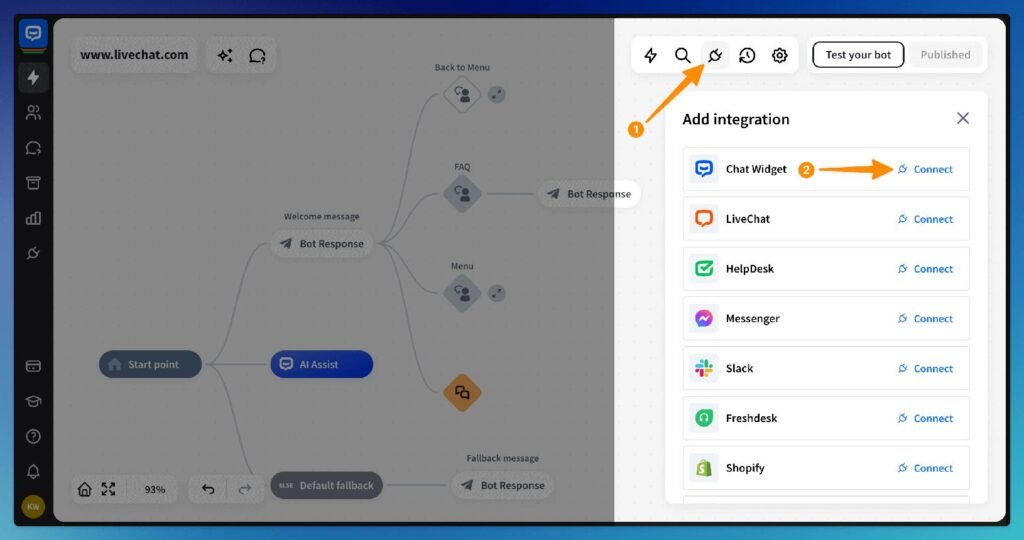
Customer service across online betting platforms is increasingly handled by AI chatbots, which deal with account issues, bonus claims, and verification.
While this reduces costs and response times, it also erodes the sense of human accountability when disputes arise — especially when users lose large sums due to technical or system-led issues.
Could AI ‘Take Over’ the Industry Entirely?
Automation in Game Design and Casinos
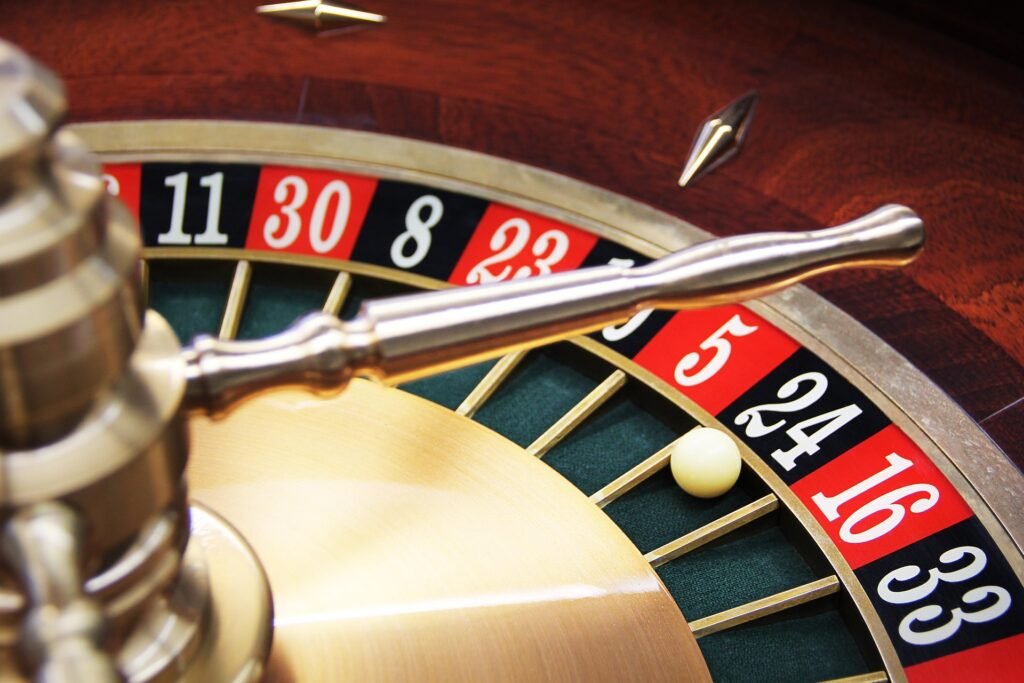
In online casinos, AI is being deployed to design and run digital games — from programming roulette spins to managing online slot engines and tournament matchmaking. Future AI systems could autonomously:
- Develop new games based on player data.
- Set betting limits algorithmically to sustain engagement.
- Modify reward mechanics in real time to maximise profit.
This essentially means a casino that plays its customers psychologically, guided by automated feedback loops — not by human management.
Robotisation in Physical Venues
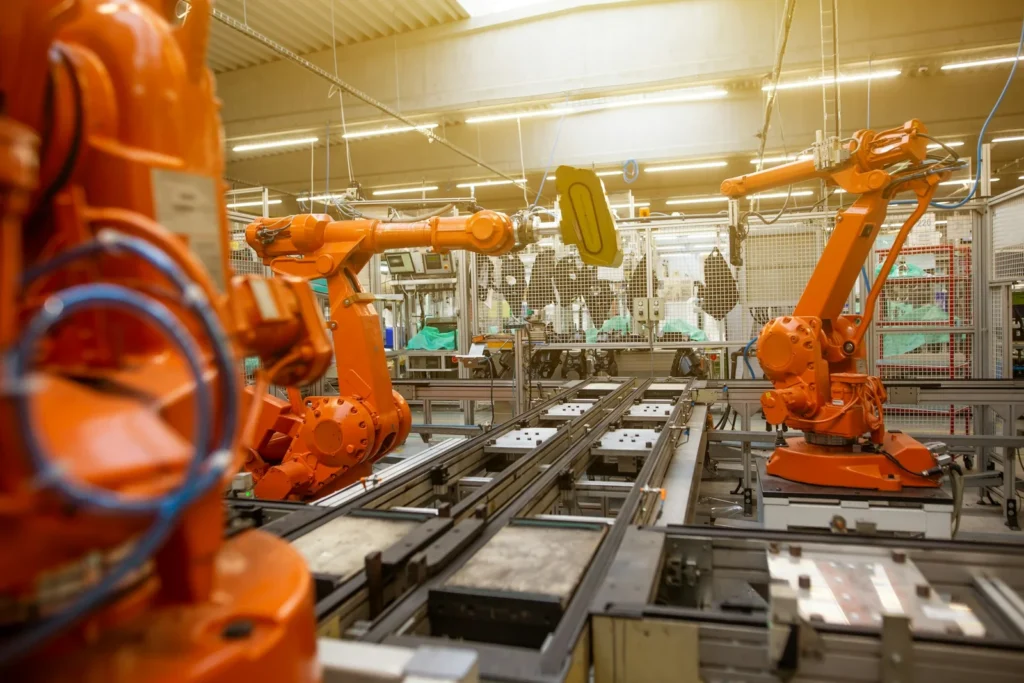
While physical gambling venues remain labour-intensive, AI-powered robotic attendants and service kiosks are emerging in luxury casinos abroad. In the UK, this is less likely in the near term due to tradition, employment law, and cultural preference — but long-term cost-cutting may make human croupiers a rarity rather than a rule.

The Detrimental Effects of AI on Gambling Businesses
1. Loss of Human Skill and Transparency
Traditional bookmakers, analysts, traders, and customer support officers are being replaced by algorithms. While AI increases efficiency, it reduces transparency — even company executives might not understand precisely how an algorithm calculates risk.
This can lead to errors or biased systems that alienate customers when odds appear unfair or irrational, undermining brand credibility.
2. Regulatory and Legal Challenges
AI systems learning from betting data could unintentionally break UK Gambling Commission regulations if they promote unsafe habits. Automated targeting of vulnerable users — even unintentionally — may lead to severe fines, reputational damage, and increased scrutiny.
The Information Commissioner’s Office (ICO) has already cautioned operators about AI misuse in profiling and predictive marketing. Once regulation tightens, smaller operators lacking compliance resources could struggle to survive.
3. Ethical and Reputational Risk
AI can be too effective at manipulating human behaviour.
By exploiting cognitive bias and emotional triggers (for example, near-miss design, personalised offers at weak moments), AI threatens to make gambling more addictive than ever.
If public and political backlash intensifies, major platforms could face new restrictions or even exclusion from the UK market — much like tobacco advertising bans in decades past.
4. Increased Unemployment Within the Sector
AI-driven automation may cut out thousands of jobs — particularly in customer support, data analysis, and compliance. Smaller betting shops and regional call centres already rely on human staff; these could be replaced by centralised machine systems.
This could widen social inequality in towns where gambling employment is still significant — particularly northern cities such as Liverpool, Leeds, and Manchester.
5. Technological Vulnerability
AI is also vulnerable to hacking, algorithmic tampering, and data poisoning. A manipulated risk model or compromised automated system could collapse odds markets within minutes, triggering financial chaos.
Ironically, the more the UK gambling industry depends on AI, the greater the systemic risk it introduces.
Will the Gambling Industry Be Badly Affected Overall?
Short-Term Efficiency, Long-Term Instability
In the short run, AI will make British gambling businesses more profitable by:
- Reducing operational costs.
- Retaining players more effectively through personalised strategies.
But in the long term, as reliance deepens:
- Trust may erode, with customers doubting fairness.
- Regulators may intervene more harshly.
- Public health campaigns against algorithmic addiction could lead to reputational collapse.
A 2025 projection by PwC UK estimated that AI integration could boost sector profits by 20% within five years — but also predicted “heightened volatility in social licence and consumer confidence.” In other words, gains will come with backlash.
Advertisement

- 𝐇𝐈𝐆𝐇-𝐐𝐔𝐀𝐋𝐈𝐓𝐘 𝐏𝐎𝐊𝐄𝐑 𝐂𝐇𝐈𝐏𝐒: High-quality poker chips will have you feeling like you are in the casino. This poker set is m…
- 𝟐𝟎𝟎 𝐏𝐈𝐄𝐂𝐄 𝐏𝐎𝐊𝐄𝐑 𝐒𝐄𝐓: 200pcs poker sets contains: 40 red chips,40 green chips, 40 black chips, 40 blue chips, 40 white ch…
- 𝐂𝐋𝐀𝐒𝐒𝐈𝐂 𝐒𝐓𝐘𝐋𝐄: The poker set with mat and chips is non denominated to allow you the freedom to set the stakes however yo…
Market Consolidation
Small independent betting firms and arcades are unlikely to compete with tech-heavy giants backed by AI labs and data specialists.
This means greater market consolidation — a few dominant operators absorbing or destroying smaller businesses, reducing market diversity and competition.
As with many industries, AI helps the biggest players most, and leaves smaller firms struggling or irrelevant.
Real-World UK View
Public Perception and Social Responsibility
Public concern around problem gambling is already mounting. Comments by MPs and advocacy groups such as GambleAware and The Social Market Foundation have criticised how technology is used to monetise addiction rather than prevent it.
If AI deepens this pattern, further restrictions (like mandatory spending limits or ad bans) could follow by the late 2020s.
AI and the Decline of Local Betting Culture
High-street betting shops — once a cornerstone of British working-class leisure — are increasingly closing as customers migrate online.
AI-powered online options simply feel smarter, faster, more personalised. But they also strip away community and accountability. The industry risks transitioning from friendly local bookmakers to faceless algorithmic platforms, where entertainment quietly mutates into exploitation.
Cynical Outlook
AI may not destroy the gambling industry — it may perfect it too much.
It will create systems that predict players better than they predict themselves, automate encouragement, and escalate engagement beyond rational limits.
The businesses embracing AI will initially thrive but may later face moral and regulatory collapse as society realises the cost in addiction, lost livelihoods, and human oversight.
In essence, the industry might become too efficient for its own good — a machine that prints profit by eroding the very trust and enjoyment that made gambling popular in the first place.
References (UK-Focused)
- UK Gambling Commission – Technology and Fairness in Betting (2025)
- Information Commissioner’s Office – AI and Consumer Profiling Guidance (2024)
- PwC UK – Gambling Market Outlook: AI and Automation (2025)
- GambleAware – Digital Gambling Harm Prevention Review (2024)
- Social Market Foundation – AI and the Ethics of Real‑Time Betting (2025)
Summary
| Aspect | Short-Term Effect | Long-Term Risk |
|---|---|---|
| Operational Efficiency | Profit growth through automation | Job loss and overdependence |
| Marketing and Targeting | Higher engagement, customer retention | Ethical backlash and regulatory fines |
| Public Perception | Convenience and accessibility | Addiction, loss of trust |
| Competition | Larger firms dominate | Small businesses collapse |
| Fairness and Transparency | Faster, data-driven odds | Reduced accountability and algorithmic bias |
In conclusion:
AI will not destroy the gambling industry in England — but it will transform it into something colder, faster, and more destructive beneath the surface.
In the pursuit of efficiency and profit, the industry may lose its humanity — and the cost of that, both ethically and socially, could be far greater than any winnings it accumulates.
Find Help and Support
We have created Professional High Quality Downloadable PDF’s at great prices specifically for Personal or Business use in the UK. Which include help and advice on understanding what Artificial Intelligence is all about and how it can improve your business. Find them here.