The UK’s creative industries have long been a national strength — from photography studios in Manchester to design agencies in Shoreditch and film crews in Cardiff. But as artificial intelligence reshapes how images, music, copy and video are produced, one uncomfortable question keeps resurfacing:
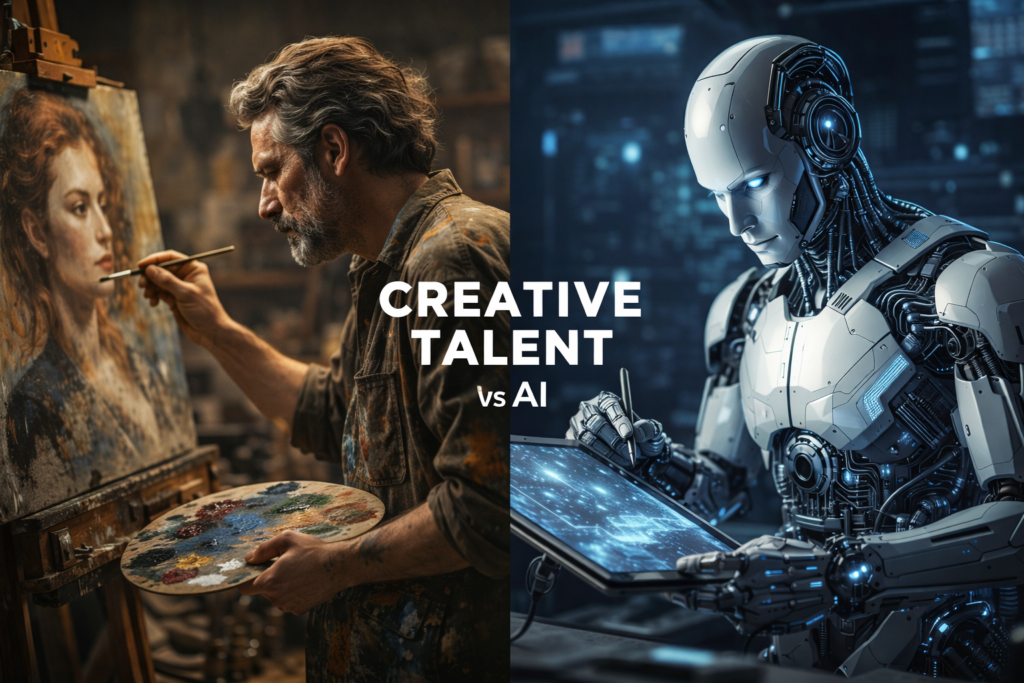
Can creative talent in the UK compete with AI — and how hard will it be to survive?
The answer is not simple. It is neither “AI will replace everyone” nor “human creativity always wins”. The truth sits somewhere in the middle — and it depends heavily on positioning, skill depth and business strategy.
The Scale of What’s at Stake

The UK’s creative industries contribute over £100 billion annually to the economy, according to government figures and industry reporting. Organisations such as the Creative Industries Council and the Creative UK consistently highlight the sector as one of Britain’s fastest-growing economic areas.
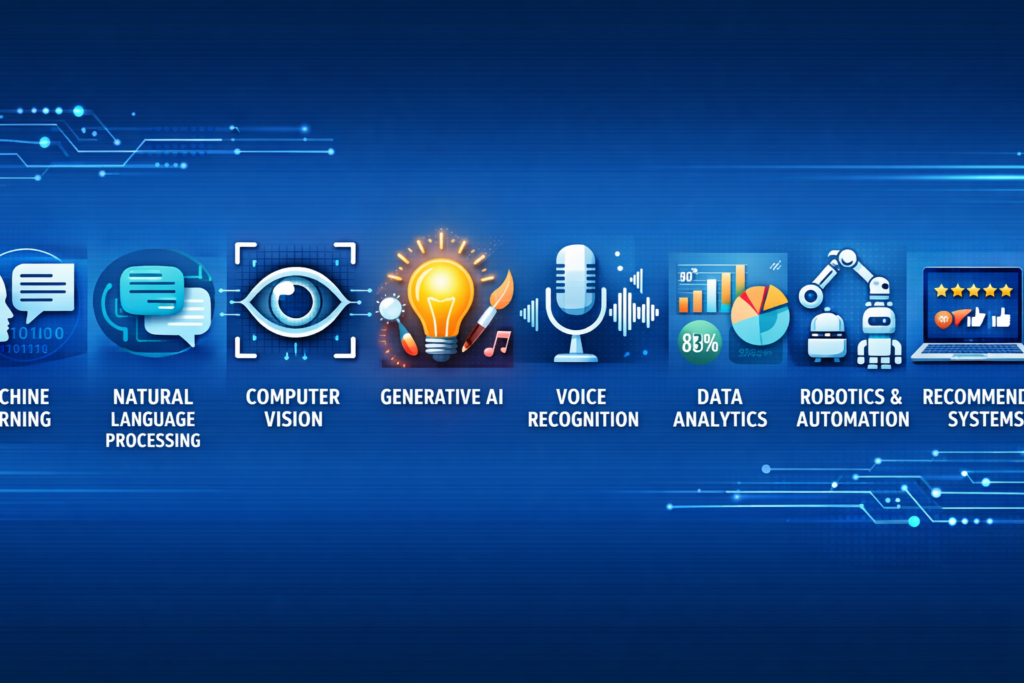
Yet at the same time, generative AI tools can now:
- Produce marketing copy in seconds
- Generate photorealistic imagery
- Compose music
- Create concept art
- Edit video automatically
The technology is improving monthly.
The creative workforce is understandably anxious.
Where AI Is Already Competing
Design, Illustration & Stock Imagery
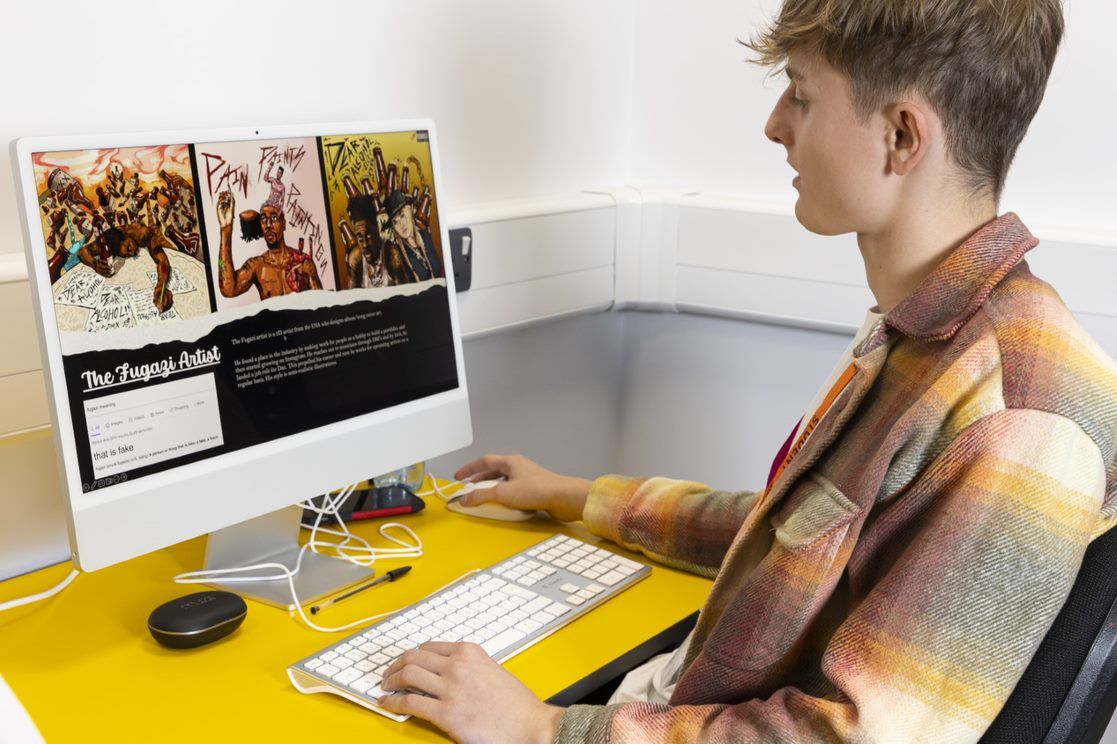
AI image generators can now produce competent — sometimes impressive — visuals instantly. For basic marketing graphics, blog illustrations and concept drafts, AI has already reduced demand for entry-level creative work.
The Royal Photographic Society has launched discussions and working groups around AI’s implications for authorship and authenticity in photography, acknowledging the speed of change.
In commercial design and stock photography, AI’s impact is tangible:
- Faster production
- Lower cost
- Infinite variations
- Reduced commissioning for generic imagery
This is where the pressure is strongest.
Where Humans Still Dominate
Live Events, Emotional Intelligence & Cultural Nuance

Creative work that relies on:
- Real-time judgement
- Social awareness
- Emotional sensitivity
- Cultural context
- Relationship-building
remains extremely difficult for AI to replace.
A wedding photographer managing family dynamics, a theatre director guiding performers, or a documentary filmmaker capturing lived experience operates in a human environment AI cannot physically enter.
The Federation of Small Businesses has repeatedly noted in SME commentary that service-based microbusinesses relying on human interaction remain comparatively resilient against automation.
How Well Can UK Creatives Compete?
The honest answer: very well — but not passively.
UK creatives benefit from:
- Strong arts education tradition
- Global reputation for design and media
- London’s international influence
- Regional creative hubs (Manchester, Bristol, Glasgow)
But competing requires adaptation.
The British Business Bank frequently highlights in SME growth reports that businesses integrating technology early outperform those resisting it.
Creatives who:
- Use AI to speed up workflow
- Maintain distinctive style
- Emphasise authenticity
- Build client relationships
are often increasing productivity rather than losing relevance.
Those who rely purely on technical execution without differentiation are under greater pressure.
The Hardest Obstacles Ahead
1. Price Compression
AI reduces production time. Clients notice.
When tools become faster and cheaper, buyers question traditional pricing. Entry-level creative work becomes commoditised.
Mid-market creatives are most exposed.
2. Intellectual Property & Copyright Uncertainty
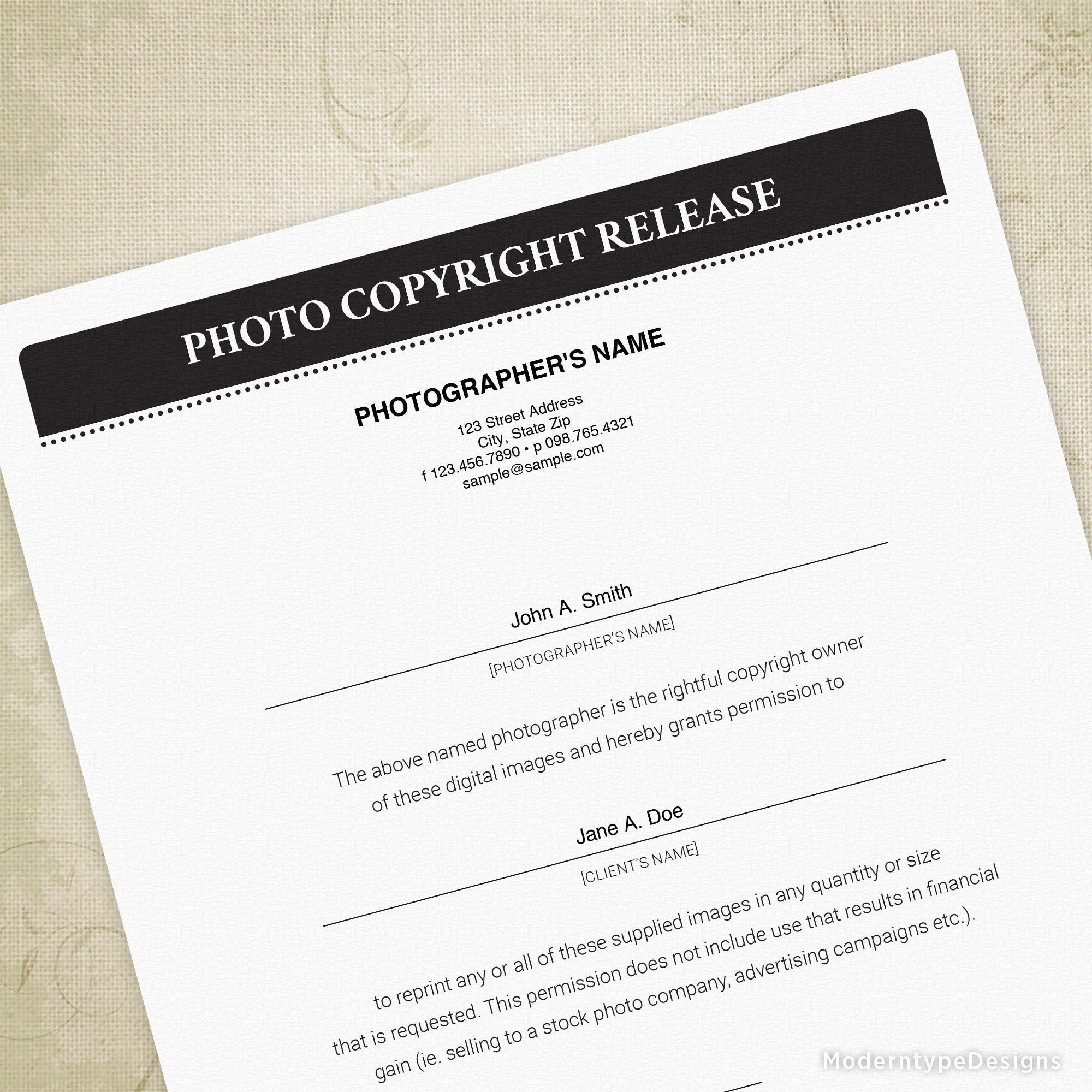
Ongoing debates around copyright and AI training data continue. Industry bodies including the Creative UK and the Royal Photographic Society have publicly engaged with concerns about creators’ rights and fair compensation.
Uncertainty around how AI systems are trained — and whether creators are properly credited or compensated — remains a structural issue.
3. Platform Dependency
Many creatives rely on:
- TikTok
- Online marketplaces
AI-generated content is flooding feeds. Visibility is harder to secure. Algorithm shifts can reduce reach overnight.
Owning client relationships (email lists, direct referrals, long-term contracts) becomes increasingly important.
4. Skill Inflation
AI raises the baseline standard.
What was once “advanced Photoshop skill” is now automated. The minimum acceptable output level rises.
Creatives must move beyond technical execution to:
- Conceptual thinking
- Strategic input
- Brand storytelling
- Consultancy
How Hard Will It Be to Survive?
It will be hard — but not unprecedented.
Creative sectors have already survived:
- Digital photography replacing film
- Desktop publishing replacing typesetting
- Streaming disrupting television
- Smartphones disrupting cameras
Each wave eliminated some roles and created new ones.
The difference now is speed.
AI evolves at a pace few industries are used to.
The Creative Industries Council has stressed the need for workforce upskilling and adaptation, not resistance.
Survival depends less on talent alone and more on business literacy.
The Real-World View
There are three likely outcomes over the next decade:
1. Premium Human-Led Creatives Thrive
Distinctive voice, reputation, emotional intelligence, and trusted client relationships remain valuable.
2. Hybrid Creatives Integrate AI
They increase output, reduce turnaround times, and protect margins.
3. Undifferentiated Providers Struggle
Generic, easily replicable creative output faces intense competition from automation.
The uncomfortable truth:
AI does not eliminate creativity.
It eliminates average, interchangeable creative labour.
So, Can UK Creative Talent Compete?
Yes — but only if it evolves.
The UK still possesses:
- Deep cultural capital
- Global creative credibility
- Strong institutional support
- Entrepreneurial creative SMEs
But competing means:
- Embracing AI tools strategically
- Charging for thinking, not just production
- Protecting intellectual property
- Investing in business skills
- Building brand identity
As one industry commentator recently observed:
“AI is not the end of creativity. It’s the end of creativity without strategy.”
Key References & Further Reading
- Creative Industries Council – https://www.thecreativeindustries.co.uk
- Creative UK – https://www.wearecreative.uk
- Royal Photographic Society – https://rps.org
- Federation of Small Businesses – https://www.fsb.org.uk
- British Business Bank – https://www.british-business-bank.co.uk
- UK Government Creative Industries Data – https://www.gov.uk/government/statistics
Find Help and Support
We have created Professional High Quality Downloadable PDF’s at great prices specifically for Small and Medium UK Businesses. Which include help and advice on understanding what Artificial Intelligence is all about and how it can improve your business. Find them here.