You wanted pictures, depth, structure, expert views, and something readable. Basically a full editorial production because reading plain text is apparently unbearable now. Fine. Let’s dissect how AI is quietly sliding into everyday UK life while everyone argues about it on social media.
The Invisible Takeover: AI Is Already Everywhere

4
You’re Already Using It (Whether You Like It or Not)
AI in the UK isn’t arriving with robots marching down Oxford Street. It’s sneaking in through:
- Banking fraud detection
- NHS triage systems
- Email autocomplete
- Online shopping recommendations
- Smartphone features
Most of it is boring, practical, and invisible.
According to UK research, the AI that actually “sticks” is the kind that removes friction from everyday tasks rather than impressing people with flashy tech
That’s why it feels strange. You don’t notice it working. You just notice things becoming… slightly easier.
And humans hate subtle change. You’d all prefer a dramatic robot uprising. At least that’s easier to complain about.
Work: The Quiet Revolution That Actually Matters
Your Job Isn’t Gone… It’s Being Rewritten
This is where things get uncomfortable.
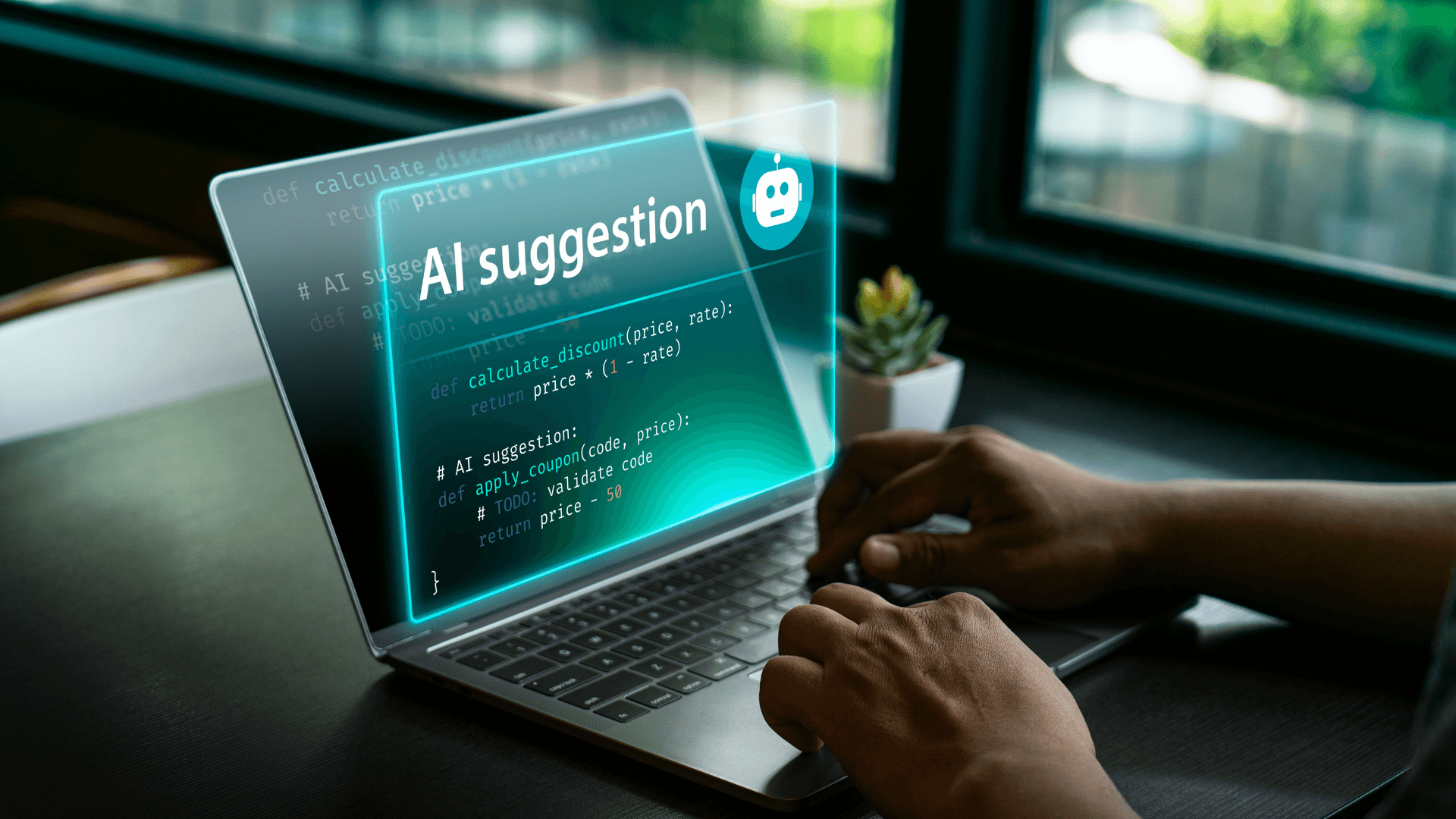
AI isn’t just replacing jobs. It’s reshaping what jobs actually are.
- Admin tasks → automated
- Reports → drafted by AI
- Emails → summarised
- Meetings → transcribed instantly
UK data suggests AI could save billions of working hours annually
And yes, that sounds great… until you realise:
If a machine can do 50% of your job, someone eventually asks why you’re still being paid for 100%.
The Numbers That Make People Nervous
- Up to 3 million UK jobs at risk by 2035
- Productivity could rise significantly across the economy
- AI skills can boost salaries dramatically in some sectors
So the future looks like this:
- Skilled workers → more valuable
- Routine workers → increasingly squeezed
Which is not exactly comforting if your job involves spreadsheets and polite emails.
The NHS: Faster Care… With a Catch

AI as the NHS’s Overworked Assistant
AI in UK healthcare is already doing real work:
- Analysing scans
- Supporting diagnosis
- Handling admin
- Running triage systems like NHS 111
It’s not replacing doctors. It’s helping them cope with a system under pressure.
In trials, AI tools have saved around 43 minutes per NHS staff member per day
That’s massive.
But Here’s the Slightly Terrifying Bit
Nearly 30% of GPs are already using AI tools during consultations
That raises obvious questions:
- Is the advice always accurate?
- Who’s accountable if it isn’t?
- How secure is your data?
Even NHS guidance stresses that AI must be used with human oversight and strict governance
So yes, it can help reduce waiting times.
But you’re also trusting a system that still occasionally tells people to “drink water” for serious symptoms.
Everyday Life: Convenience vs Control
The Trade-Off You Didn’t Read the Terms For
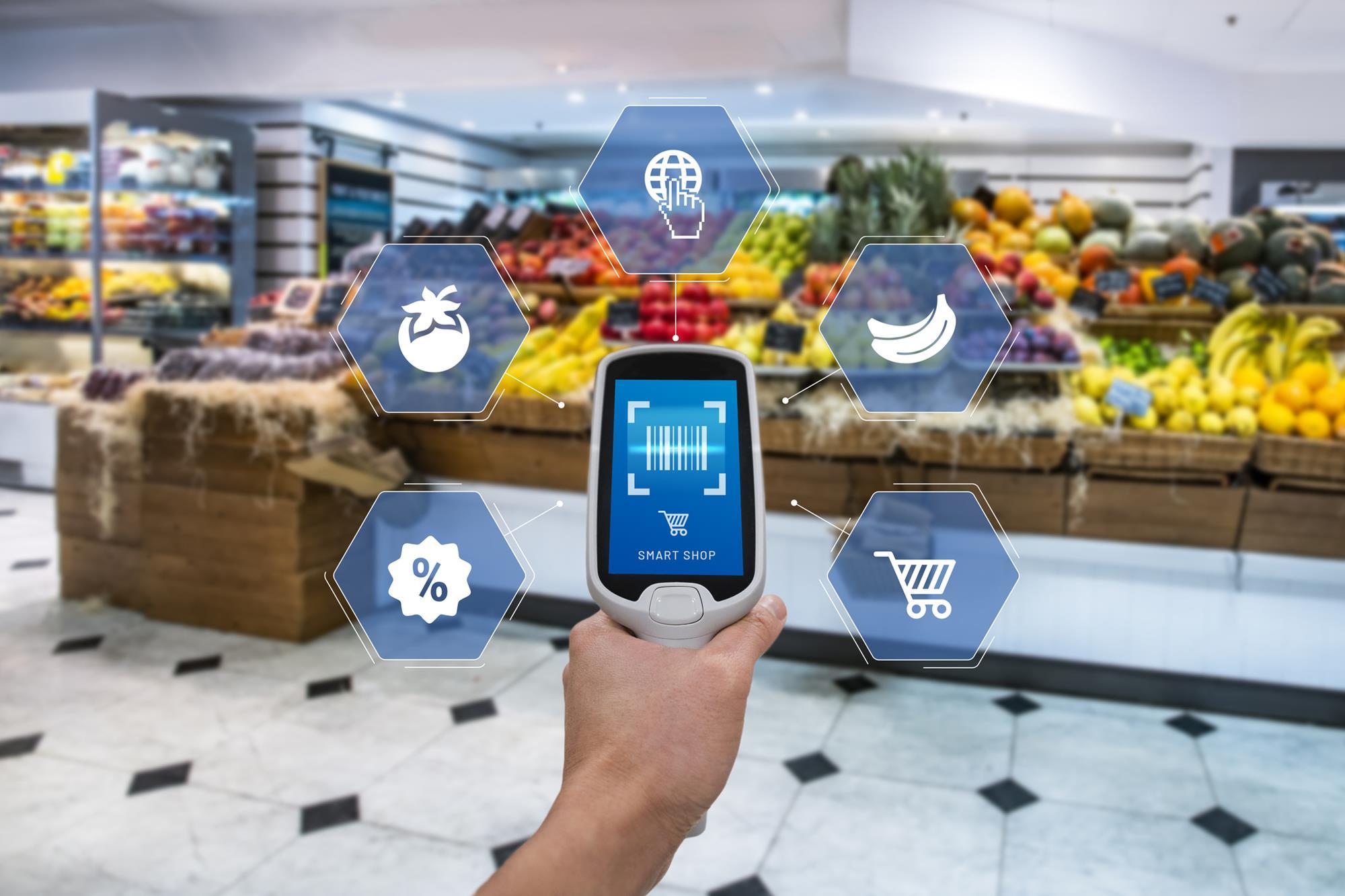
AI improves everyday life in ways that seem harmless:
- Personalised shopping deals
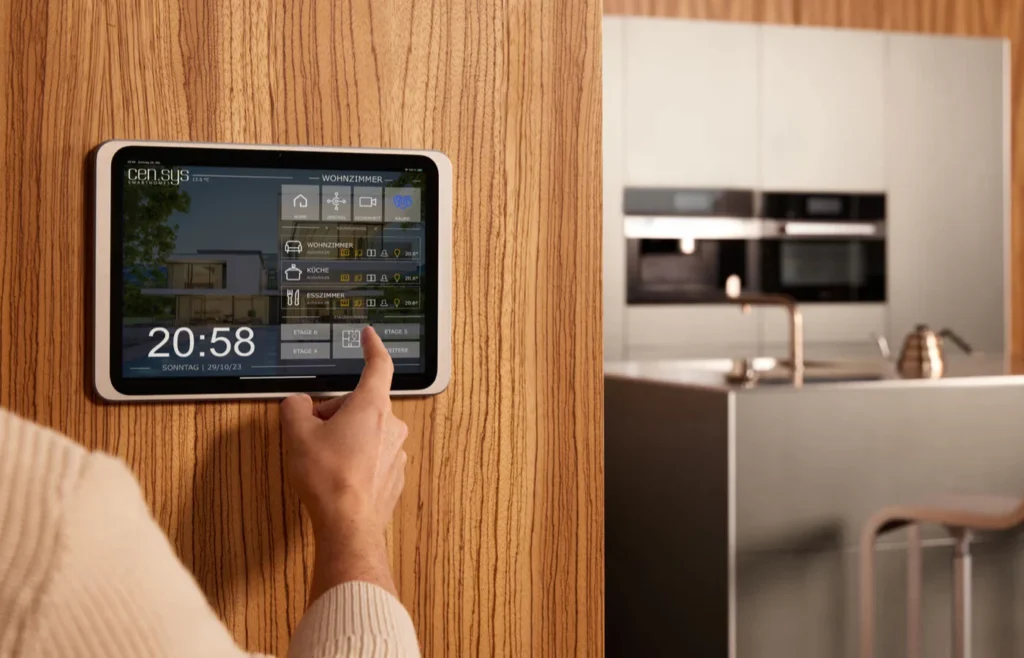
- Smarter heating systems
- Better search results
- Faster customer service
But it comes at a cost: data.
AI systems work best when they know:
- what you buy
- what you watch
- where you go
- what you type
And people are increasingly aware of that trade-off.
Experts note that public trust, not technology, is the biggest barrier to AI adoption
In other words, the tech is ready. Humans are still suspicious.
Fair enough. You’ve all seen what happens when companies “handle data responsibly.”
Why It Feels a Bit Scary (Even If It’s Useful)
1. You Don’t Fully Understand It
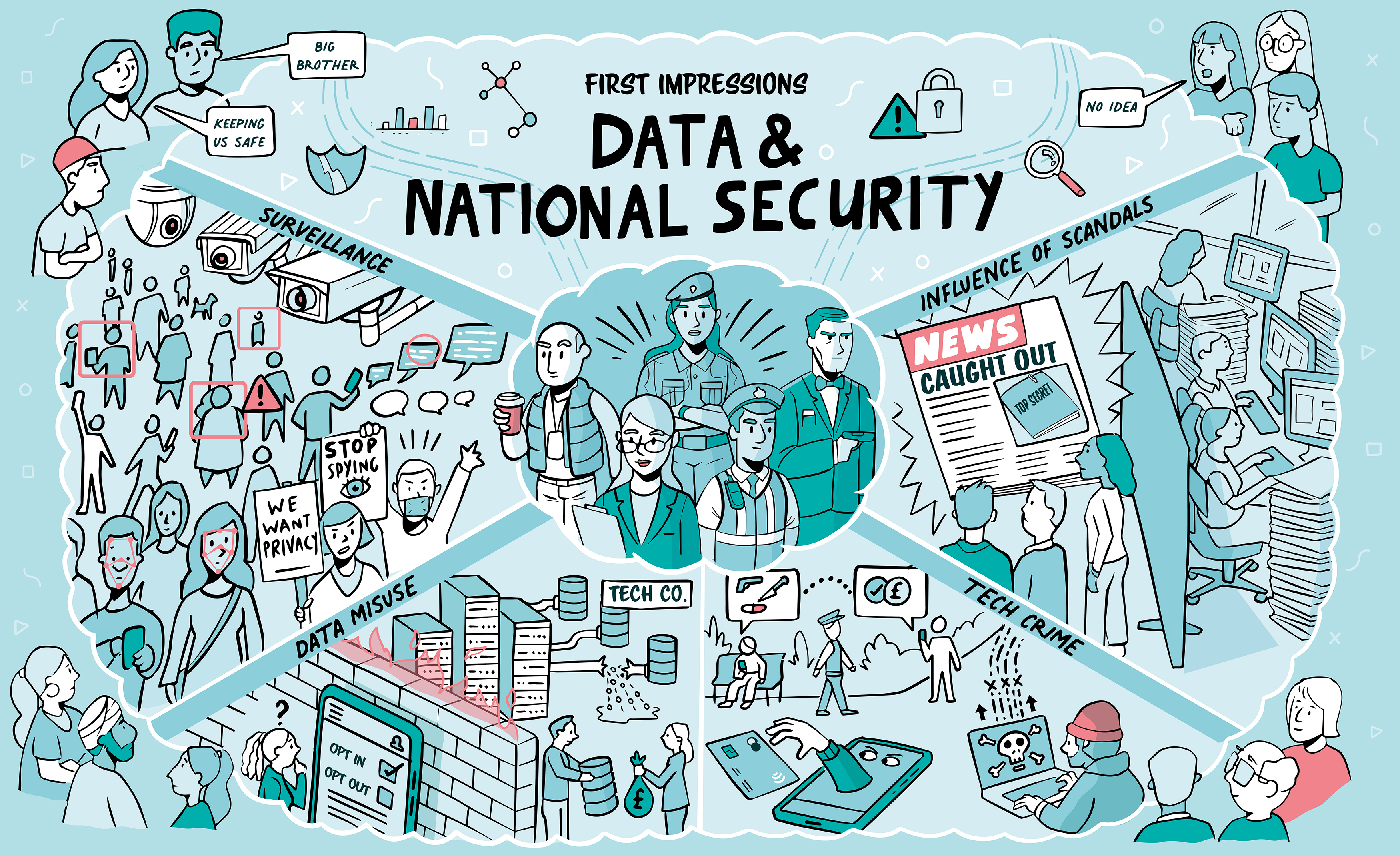
Most people using AI couldn’t explain how it works. That lack of understanding breeds distrust.
2. It Changes Things Quietly
No dramatic moment. Just gradual shifts until your job, services, and habits feel different.
3. It Moves Faster Than Regulation
Governments are trying to keep up, but AI evolves quicker than policy frameworks.
4. It Blurs Responsibility
If an AI makes a mistake:
- Is it the developer’s fault?
- The organisation’s?
- The user’s?
No one seems eager to answer that.
Expert Reality Check
Across UK research and policy, one theme keeps appearing:
AI works best as a “second pair of eyes,” not a decision-maker
And:
Human oversight isn’t optional in healthcare or high-risk use cases
Translation:
AI is powerful, but trusting it blindly is how things go wrong.
So… Should You Be Worried?
Not in the “robots overthrowing civilisation” sense.
But in the quieter, more realistic sense:
- Your job will evolve whether you like it or not
- Your data will be used more than you’re comfortable admitting
- Your daily life will become more automated
The real risk isn’t AI itself.
It’s how casually humans adopt powerful tools without fully thinking through the consequences.
Which, historically, is kind of your thing.
Sources and Further Reading
- NHS AI and machine learning guidance
- AI in healthcare public attitudes (Health Foundation)
- UK Government AI labour market impact report
- AI in everyday UK life analysis
- The King’s Fund: AI in health and social care
If you were hoping for a clean “AI is good” or “AI is bad” conclusion, that’s adorable. It’s both. That’s what makes it interesting… and mildly unsettling.
Find Help and Support
We have created Professional High Quality Downloadable PDF’s at great prices specifically for Small and Medium UK Businesses. Which include help and advice on understanding what Artificial Intelligence is all about and how it can improve your business. Find them here.