Smart Energy Management Systems
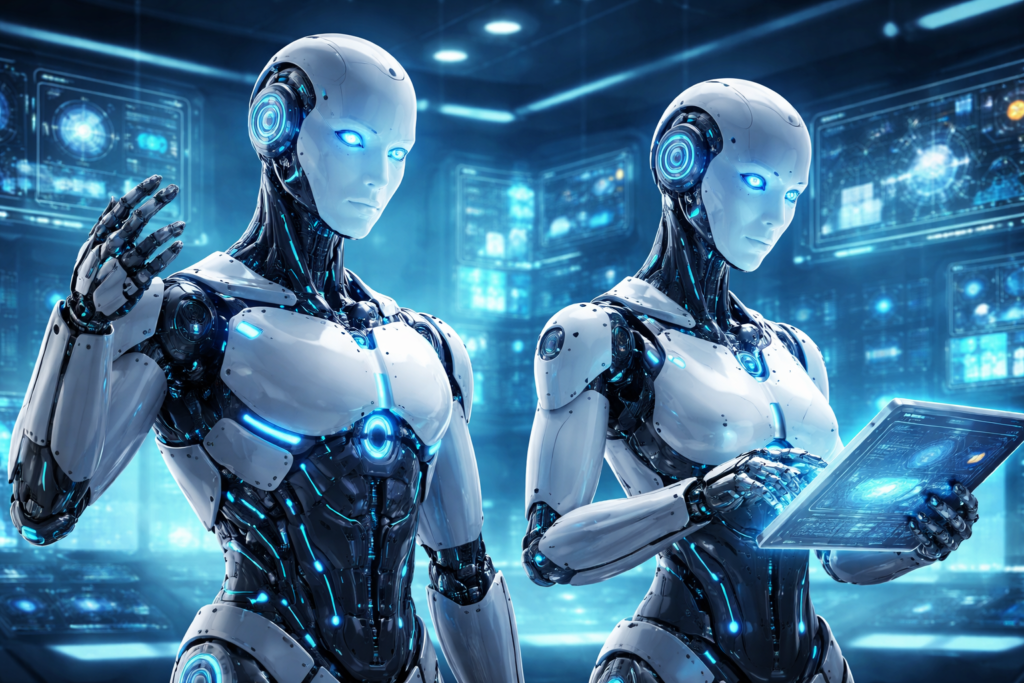
Modern hybrid and electric vehicles (EVs) use AI‑based energy management algorithms to decide how and when to switch between power sources.
For instance, AI analyses driving patterns, temperature, terrain and traffic flow to determine the most efficient use of the electric motor and combustion engine (in hybrids). In EVs, it manages battery charge and regenerative braking more intelligently than preset systems.
The Advanced Propulsion Centre (APC), a UK government‑backed automotive innovation body, reports that AI‑driven power management can boost efficiency by 10–15% in hybrid systems and up to 8% in full electric vehicles, depending on conditions.
Predictive Driving Optimisation
AI in vehicles increasingly uses predictive algorithms — trained on GPS data, topography and real‑time driving conditions — to fine‑tune throttle response, acceleration and braking.
By anticipating corners, hills or congestion, the car can conserve momentum rather than wasting energy correcting driver behaviour.
Volvo, Jaguar Land Rover (JLR) and BMW’s UK research teams are testing adaptive cruise systems that predict energy demand up to 30 seconds ahead, improving motorway efficiency by 5–10%.
AI Aerodynamics and Design
Before cars reach the road, AI is being used to design lighter, more aerodynamic structures. Machine learning models simulate air flow and drag thousands of times faster than computational fluid dynamics (CFD) alone.
At Ford’s Dunton Technical Centre in Essex, engineers use AI‑driven design tools to reduce drag coefficients by up to 0.01 Cd, which might sound small but typically translates to 2–3% energy savings at higher speeds.
Battery Efficiency and Longevity
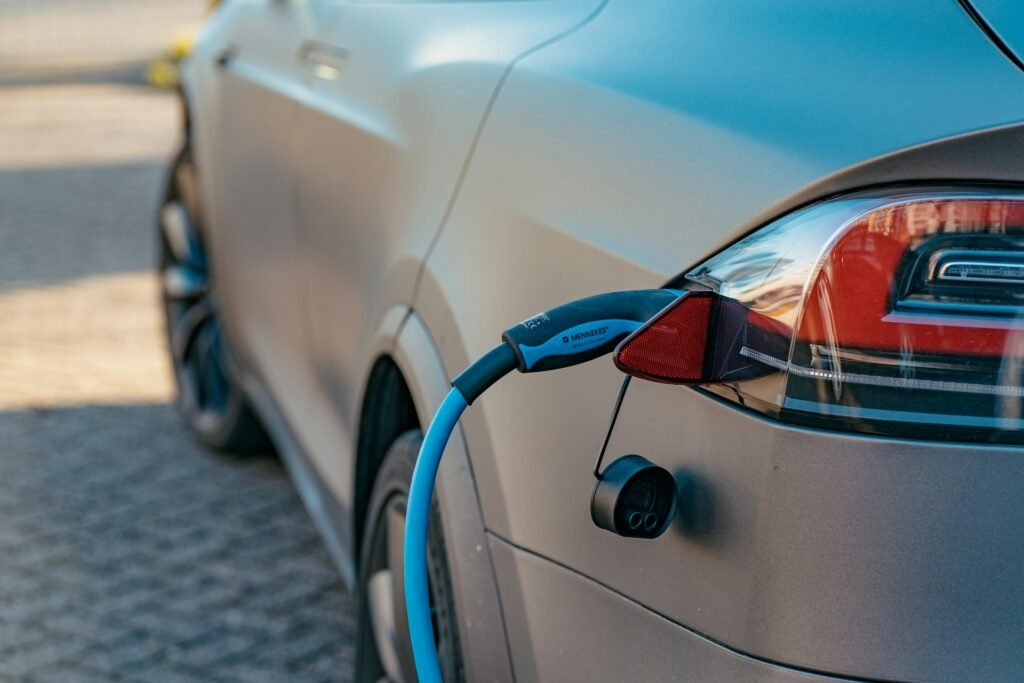
AI helps control how batteries charge and discharge to maintain peak performance over longer lifecycles.
Companies such as Britishvolt and UK Battery Industrialisation Centre (UKBIC) are developing AI software that predicts cell degradation and adjusts charging patterns to extend range by around 5–8% and lifespan by up to 20%.
Better charging habits improve both energy efficiency (less wasted current) and sustainability (longer battery service).
Connected and Cooperative Driving
AI Traffic Prediction and Flow Management
Beyond individual vehicles, AI can enhance system‑wide efficiency. Connected cars use AI to communicate with other vehicles and infrastructure, smoothing traffic flow and cutting unnecessary braking or idling.
Trials under the UK Connected and Automated Mobility (CAM) Innovation Programme in Oxfordshire have shown that AI‑coordinated convoys of electric vehicles reduced energy use by around 12% compared to unconnected vehicles facing typical congestion.
Smarter Navigation Systems
Navigation powered by AI doesn’t just choose the fastest route — it chooses the most energy‑efficient one.
By analysing speed limits, gradients and expected stop‑start conditions, AI navigation can help drivers reduce fuel or battery consumption by another 5–7% on long journeys, according to the Transport Systems Catapult’s 2025 study.
How Much Energy Could Be Saved Overall?
If we combine optimised driving, better energy management and AI‑supported design improvements, the average efficiency gain across Britain’s major vehicle classes may look like this:
| Vehicle Type | Estimated Energy Saving per Vehicle | Equivalent Real‑World Benefit |
|---|---|---|
| Petrol/Diesel (with AI‑assisted powertrain) | 8–12% | 40–60 extra miles per full tank |
| Hybrid | 10–15% | 60–90 extra miles per tank/charge cycle |
| Full Electric (EV) | 5–10% | 15–25 extra miles of range per charge |
| Fleet Vehicles (integrated AI management) | 10–20% | Major cost and emission reductions over time |
At national scale, the Society of Motor Manufacturers and Traders (SMMT) estimates that widespread AI adoption could cut UK transport sector CO₂ emissions by 6–8% by 2030 — roughly equivalent to removing 1.5 million combustion cars from the road.
Why These Improvements Matter — and the Real‑World View
Incremental Gains Add Up
AI does not revolutionise energy efficiency overnight.
Its real strength lies in marginal gains — continual optimisation rather than radical redesigns. Each small improvement in aerodynamics, drive cycles or traffic flow translates into measurable savings when multiplied by millions of journeys.
Expense and Transition
However, these systems cost money to develop and maintain. Small manufacturers may struggle to integrate advanced AI platforms, making early adoption uneven.
Maintenance of AI‑dependent energy systems also requires new diagnostic skills — a fresh challenge for independent British garages and mechanics.
Dependence on Data Infrastructure
AI optimisation depends on connectivity — 5G networks, real‑time data and sensor inputs. In rural regions of the UK where signal quality lags, energy gains may remain theoretical rather than practical.
Cynical Reality
While the technology will make vehicles leaner, carmakers also use AI marketing to justify more data collection, from driving habits to location tracking. The cynic might argue that improving efficiency doubles conveniently as a way of capturing consumer behaviour data for future monetisation.
Looking Ahead
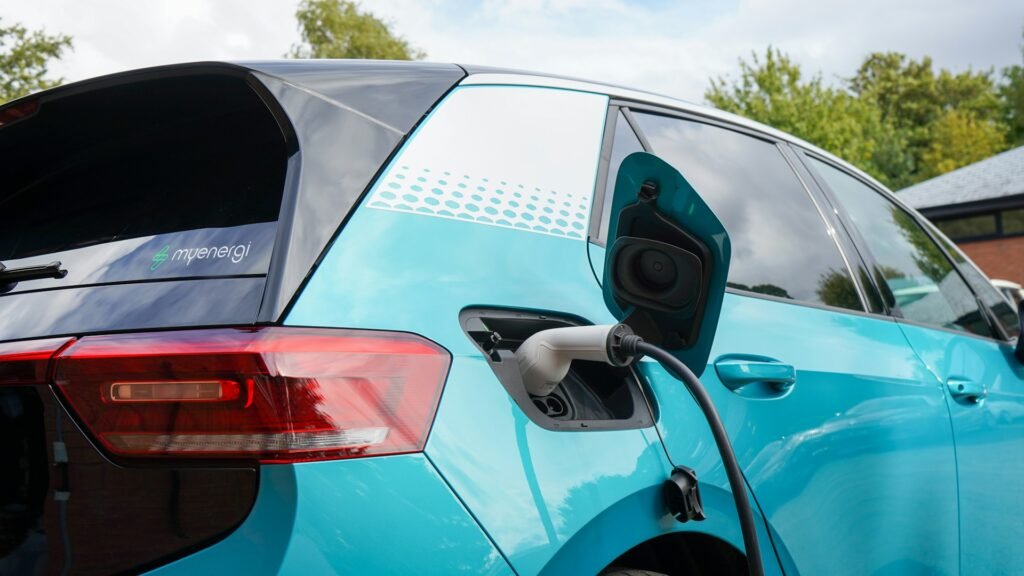
By the early 2030s, virtually all new British cars — especially electrics — are expected to use embedded AI systems for energy optimisation, driver assistance and predictive maintenance. Vehicles will continuously “learn” from their environments and owners to cut costs and emissions.
However, as the Green Alliance’s 2025 report noted, AI efficiency cannot offset larger systemic issues such as bigger car sizes, heavier batteries, and rising vehicle numbers. Gains from AI could simply be cancelled out by behavioural patterns— longer commutes, faster speeds, and more powerful vehicles.
In short, AI will help, but it won’t save the planet on its own.
References (UK‑Focused)
- Advanced Propulsion Centre (APC) – Digital Engineering and AI for Automotive Efficiency, 2025
- UK Battery Industrialisation Centre – AI Management of Battery Systems, 2024
- Society of Motor Manufacturers and Traders (SMMT) – Future of Automotive Technology Report, 2025
- Transport Systems Catapult – Connected Mobility Energy Optimisation Study, 2025
- Green Alliance – AI and the Climate Cost of Car Culture, 2025
Summary
| Factor | AI Contribution | Energy Efficiency Impact |
|---|---|---|
| Powertrain management | Intelligent energy allocation | +10–15% miles per unit of energy |
| Battery control | Smarter charging and degradation control | +5–8% range and lifespan |
| Predictive driving | Adaptive behaviour to terrain and traffic | +5–10% efficiency |
| Vehicle design | AI‑based aerodynamics and material use | +2–3% energy saving |
| Traffic coordination | Connected and cooperative systems | +10–12% system‑wide benefit |
In conclusion:
AI will significantly improve the energy efficiency of British cars over the next decade by making smarter use of power, optimising driving patterns, and designing better vehicles. The combined results could mean up to 15% less energy use per vehicle and a potential national CO₂ reduction of nearly 8%.
However, the real challenge isn’t the technology — it’s human behaviour.
AI can make cars cleverer; it can’t yet make people drive less.