AI is already somewhere in the driver’s seat — but not where people think. Most Britons already use AI dozens of times a day without realising it. It runs the algorithms curating your news feed, prices your train tickets, monitors your electricity use, and, increasingly, shapes city planning and medical decisions.
According to The Alan Turing Institute’s 2026 Digital Behaviour Report, more than 80% of British adults interact with an AI system daily, yet fewer than 25% recognise it when they do. That invisibility is precisely how AI will become a co‑pilot in everyday life — quietly steering rather than visibly commanding.
Experts suggest that within the next five to ten years, this subtle role will expand to touch every area of life in the UK — from work and healthcare to education and domestic management — blending so smoothly into daily routines that public awareness of it may barely register.
What It Means for AI to Be a “Co‑Pilot”
Invisible Assistance
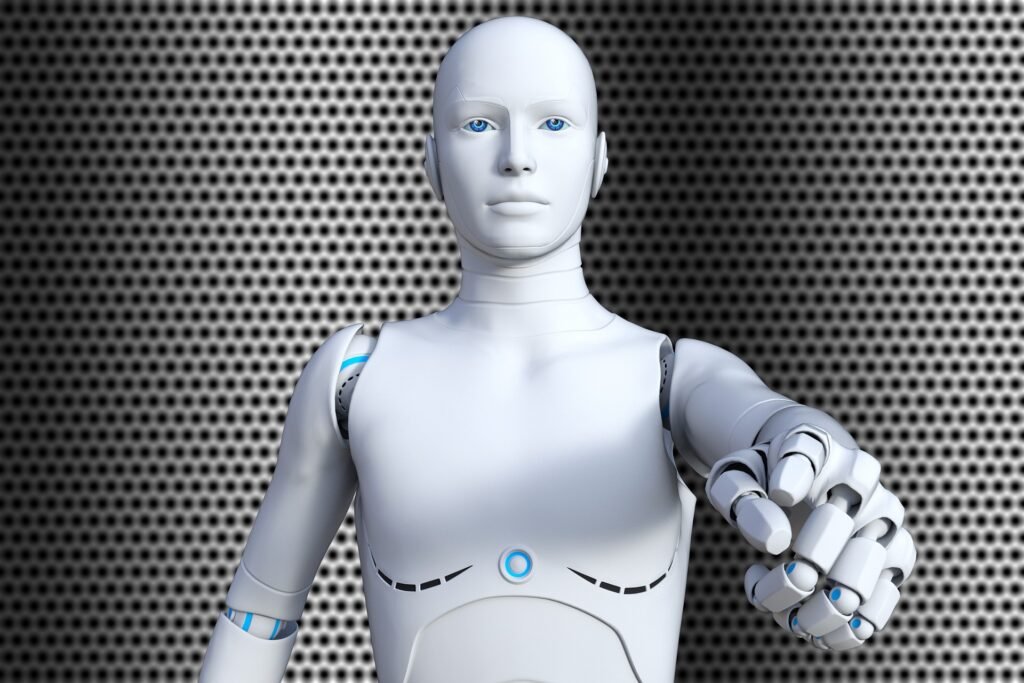
The concept of AI as a “co‑pilot” describes technology working alongside humans — offering prompts, anticipation, and correction without taking over. Microsoft, Google, and even the UK Government’s own digital offices now refer to AI staff tools explicitly as “co‑pilots”, reflecting a cultural shift towards partnership, not domination.
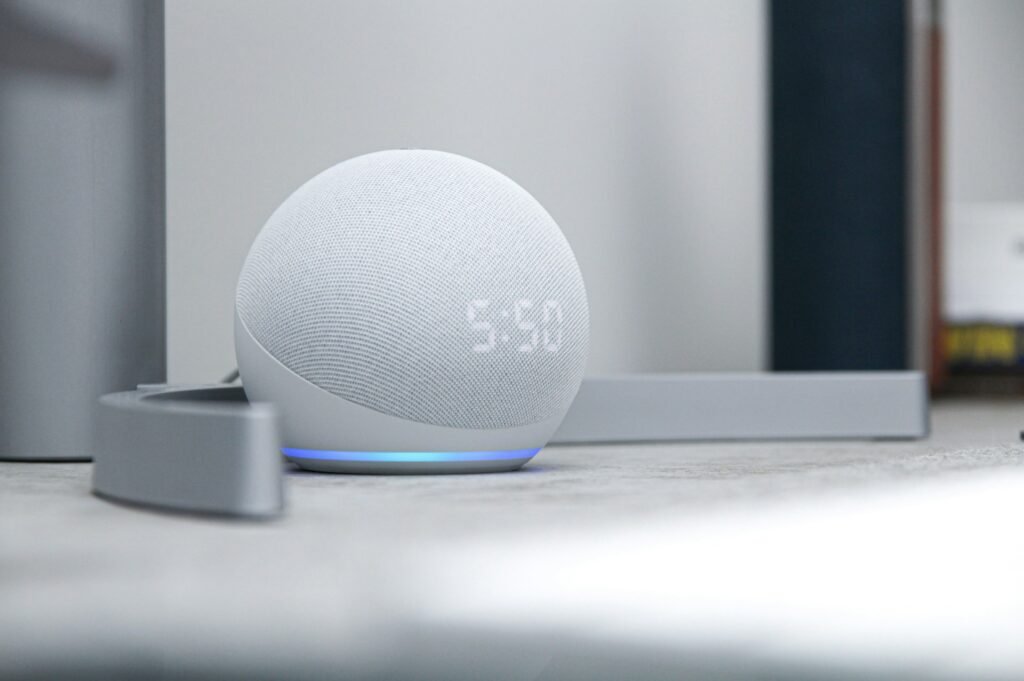
AI will read emails before you do, suggest replies, manage commuting schedules, optimise appliance energy use, and even alert you when your mood (detected through sensors or voice tone) appears off. None of this feels like “use,” yet all of it qualifies as participation in your decision‑making.
Advertisement

- 【23.8-inch All‑in‑One PC with Core i5‑7300】Responsive everyday performance — 16GB RAM + 512GB SSD deliver fast boot, smo…
- 【Modern Connectivity & Fast Networking】Built‑in Wi‑Fi 6 and Bluetooth 5.3 ensure stable wireless connections; full I/O i…
- 【Space‑Saving, Ready‑to‑use All‑in‑One PC】Compact all‑in‑one form factor with included keyboard and mouse makes setup si…
Soft Power, Not Hard Control
Unlike technological revolutions of the past — railways, the internet — AI’s influence won’t be announced through sudden change. It will creep in subtly, invisibly and socially, baked into systems already trusted.
When everything becomes “smart by default,” there’s no longer an on/off choice; AI simply is.
How Long Before AI Fully Blends into British Life
A Decade to Full Integration
Most analysts agree that AI will become broadly ubiquitous by mid‑2030s. This timeline isn’t about technical capability — it’s about infrastructure, trust and culture.
- Wireless connectivity: By 2030, the UK will have near‑universal 5G coverage and early 6G pilots, allowing seamless machine‑to‑machine communication.
- AI regulation and ethics frameworks: Expected to stabilise by 2030 under the UK’s AI Regulation Act, granting peoples confidence their data is protected.
- Cultural normalisation: Younger generations growing up with AI tutors, health monitors and virtual assistants will consider it as unremarkable as Wi‑Fi.
As Dr. Priya Nair, sociotechnologist at the University of Oxford’s Internet Institute, told The Guardian in 2025:
“By the time the British public debates whether AI has gone too far, it will already have become a background utility — as uncontroversial and invisible as the national grid.”
Tell‑Tale Signs AI Has Become the Co‑Pilot
1. Predictive Everything
Your energy bill adjusts automatically to monthly financial trends.
Your fridge orders replacement groceries before you run out.
Your health app alerts your GP when your sleep or heart rate veers off track.
When prediction becomes convenience, people stop noticing who’s predicting.
2. A Vanishing User Interface
In the next few years, interaction may move beyond screens. Voice, gesture and biometric data will drive “ambient AI” that anticipates action before explicit request.
For the average Briton, this will feel effortless — but will signal that autonomy has quietly given way to assistance.
3. Choice Without Awareness
Personalised recommendations (banking, career advice, news) will appear so logical they’ll feel like personal intuition rather than algorithmic suggestion.
The “co‑pilot” will be doing most of the cognitive heavy lifting, but you’ll believe it’s still you.
Will Anyone Care?
Most Won’t — Because It Works
Convenience trumps principle. Surveys by YouGov (2026) show that 72% of UK adults value “time savings and reduced effort” more than transparency in AI operations.
As AI makes daily bureaucracy invisible — tax filing, energy switching, appointment booking — the majority will simply accept it as progress.
As Professor Matthew Hoggart, digital culture specialist at King’s College London, told the BBC in 2025:
“Technology rarely feels dystopian when it’s useful. People only complain about invisible control when it stops working. Until then, they call it good service.”
Minority Concern Over Agency
A vocal minority — largely advocates in digital ethics and civil liberties — will continue warning about dependence and data imbalance.
Organisations like Big Brother Watch and the Ada Lovelace Institute argue that an AI‑driven life may quietly erode reflective decision‑making: your choices, health routines and consumption habits become “guided outcomes” in a system fine‑tuned for efficiency, not freedom.
Despite their warnings, most consumers are unlikely to rebel. The pattern suggests a gradual cultural shrug, similar to when surveillance cameras became woven into British urban life in the 1990s.

How AI Will Blend Seamlessly into British Systems
Healthcare
AI will intermediate between NHS services and patients — triaging illnesses, monitoring vitals with wearable sensors, and predicting outbreaks.
By 2032, AI‑assisted triage could handle 80% of primary care queries, according to NHS Digital’s current projections.
That means less time waiting for appointments and more decisions made by unseen algorithms long before human doctors get involved.
Transport
AI‑optimised traffic management, already piloted in Oxford, London and Birmingham, will reduce congestion by 10–15%and dynamically reroute vehicles around disruptions.
Public transport scheduling, energy delivery and even parking enforcement will become algorithmically autonomous, leaving few visible points of human control.
Finance
AI is already embedded in banking — from fraud detection to credit scoring. Autonomous financial advice will become routine: AI tools recommending savings, mortgages or pensions tailored algorithmically.
Within a decade, few Britons will speak to human financial advisors except for niche or high‑value cases.
The Real‑World Outlook
Gradual Integration, Not Sudden Takeover
For the British public, AI won’t arrive in one revolutionary “moment.” It’ll seep into everyday language (“my app sorted it”) until “AI” becomes redundant as a term — it’s just the system.
Subtle Trade‑Offs
- Efficiency vs agency: Life gets smoother but less self‑directed.
- Comfort vs comprehension: People embrace outcomes they don’t fully understand.
- Control vs trust: Decisions once personal become automated under “guidelines” we rarely read.
The tell‑tale sign? Silence. When nobody complains about AI anymore, it will have succeeded completely.
Cultural Acceptance
The UK’s adaptive pragmatism plays a role. Britons tend to value function over formality: if it works, that’s enough. By 2040, AI as co‑pilot will likely be as accepted as contactless payment or digital navigation today — once controversial, now indispensable.
Expert Consensus
| Expert | Institution | Comment |
|---|---|---|
| Dr. Priya Nair | Oxford Internet Institute | “AI will become an invisible layer of daily life — you won’t see it, you’ll simply depend on it.” |
| Professor Matthew Hoggart | King’s College London | “Convenience is the camouflage of technological power.” |
| Rachel Coldwell (Policy Fellow) | Ada Lovelace Institute | “By 2035, the question won’t be if you use AI, but whether you can afford not to.” |
| Ofcom Technology Unit (2026) | Government Regulator | “AI will integrate so deeply into telecoms and broadcasting that opt‑out will be near‑impossible.” |
References (UK‑Focused)
- The Alan Turing Institute – Digital Behaviour and AI Integration Report, 2026
- YouGov – Public Attitudes to Artificial Intelligence, 2026
- BBC News – The Everyday AI Revolution in Britain, Expert Roundtable, 2025
- NHS Digital – AI and Predictive Health Management Framework, 2025
- Ofcom – Smarter Networks and the AI-enabled Future, 2025
- Ada Lovelace Institute – Everyday AI: Rights, Risk and Realism, 2025
Summary
| Timeframe | Status of AI Integration in British Life | Public Awareness | Likely Attitude |
|---|---|---|---|
| 2025–2030 | Visible assistants (chatbots, energy tools, cars) | Medium – people know they’re using it | Useful curiosity |
| 2030–2035 | Invisible systems (health, finance, city grids) | Low – AI fades into routine | Acceptance and minor worry |
| After 2035 | Full “co‑pilot” stage | Minimal – part of infrastructure | Broad social comfort |
In conclusion:
AI will quietly become Britain’s digital co‑pilot within the next decade — not through takeover, but through helpful infiltration. The tell‑tale signs will be silence, smoothness and invisibility. Most people won’t notice it’s happening — and fewer still will care.
As long as life feels easier, British pragmatism will ensure the country shrugs, murmurs “well, it works, doesn’t it?”, and carries on — guided by an intelligence it no longer bothers to question.