Artificial Intelligence is already reshaping how we use and experience social media. Platforms that once connected people are now driven by algorithms that manipulate what we see, hear and even believe. The rise of AI-generated content, fake media and automated influence poses a serious threat to truth, trust and human interaction online.
The question isn’t whether AI will take over social media – it already has. The real issue is how badly it will distort reality before people realise they no longer know what’s real.
The Subtle Takeover That Already Happened
Algorithms Rule the Feed
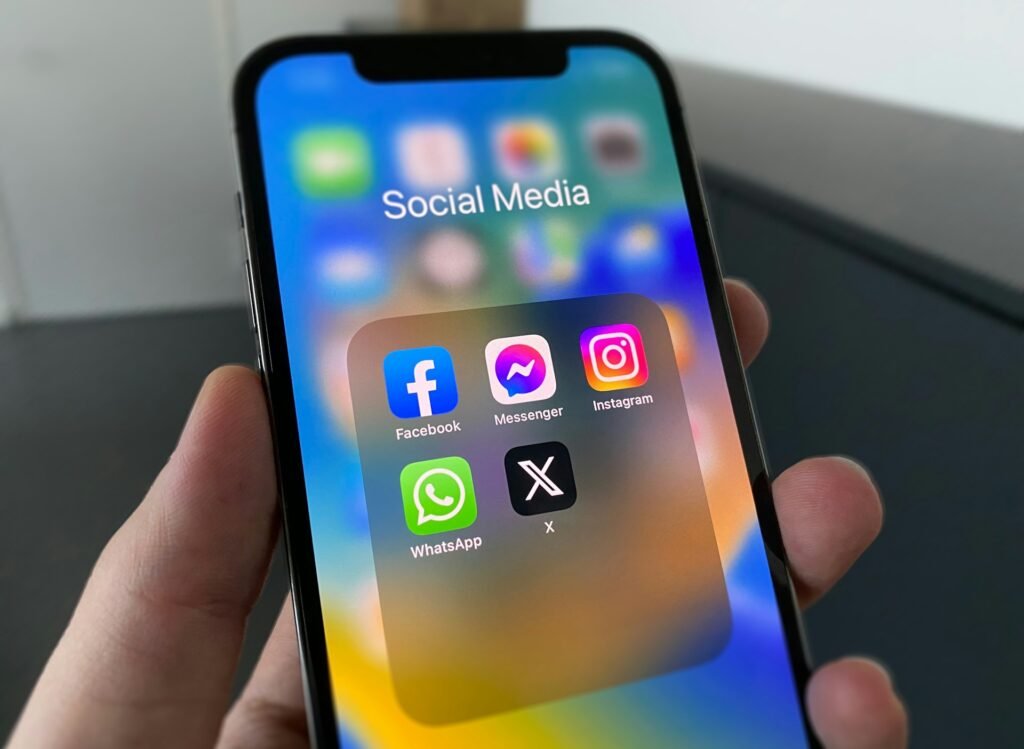
Every major social platform – Facebook, Instagram, TikTok, YouTube, X (formerly Twitter) – already relies on AI-controlled recommendation systems. These systems don’t show users what is most true or balanced; they show what keeps people scrolling.
AI analyses every click, like and hesitation to feed users more of whatever provokes emotion – outrage, fear, anger or infatuation. In short, AI curates our mood before it informs our mind.
Over time, this creates echo chambers where users see what they agree with, not what is real. As the UK’s Ofcom 2024 report on Online Experiences noted, “algorithmic design reinforces opinion bubbles and decreases exposure to diverse viewpoints.”
Bots Are the New Influencers
AI-generated personas are replacing human influencers at alarming speed. Companies use AI “virtual influencers” – flawless digital figures like Lil Miquela or Imma, who never age, never scandalise and never demand a pay rise.
In the next few years, the majority of what appears in social feeds could be synthetic profiles — convincing, relatable and entirely fictional. Many users will never know they’re following bots instead of humans.
The Age of Deepfakes and Disinformation
Seeing Isn’t Believing Anymore
AI-generated videos, voices and images — known as deepfakes — are now indistinguishable from authentic media. Anyone can create a talking-head video of a celebrity, politician or friend saying or doing something they never actually did.
In the UK, misinformation experts from Cardiff University’s Crime and Security Research Institute warn that deepfakes are “eroding visual trust,” particularly during election cycles or international crises. False footage can spread faster than legitimate corrections.
The Problem of Synthetic News
AI language models like ChatGPT or automated content farms can generate fake news articles in seconds. Combined with clickbait algorithms, these false stories circulate faster than verified journalism.
A 2025 Reuters Institute report found that nearly one-third of British adults admitted they “struggle to identify whether online news is AI-generated or authentic.” Once trust is lost, people assume everything might be fake — a dangerous form of collective cynicism.
Why People Won’t Know What’s Real
Information Overload and Emotional Bias
AI thrives by overwhelming us. When the volume of content becomes impossible to check, people rely on emotional heuristics — trusting what makes them feel right rather than what is true.
Fake videos showing dramatic events, shocking quotes or emotional appeals will always outperform calmly worded truth. The AI systems that rank content know this — and prioritise reaction over reason.
Automation Outpacing Regulation
While governments debate regulation, the technology advances hourly. The UK’s Online Safety Act (2024) and AI White Paper propose oversight of deceptive digital content — but enforcement is slow, and platforms are global. By the time regulators act, new algorithms or anonymous hosting networks often emerge elsewhere.
It’s an arms race that humans are losing, both technically and psychologically.
How AI Might Ruin the Social Experience
End of Authenticity
Social media was once about connection — friends, family, conversation. Now it’s becoming a stage for algorithmic performance. As AI-generated content floods timelines, genuine human moments will be buried under synthetic perfection.
Photos will be filtered, voices cloned and posts written by machines. Eventually, users may no longer trust anything — not even family photos or voice notes shared online — as AI-assisted fakery becomes routine.
Erosion of Trust and Attention
Fake accounts and manipulated narratives reduce trust between individuals and between the public and institutions. The result? Cultural fatigue. People stop engaging meaningfully and become numb to information altogether.
A cynical but plausible outcome is that social media devolves into digital noise: millions of machine voices selling, persuading or performing to an audience that has stopped listening.
Why AI Feeds on Chaos
Profit from Polarisation
AI systems are trained to maximise engagement, not enlightenment. Outrage, fear and division are highly clickable — and therefore profitable. Every angry comment extends viewing time, every argument earns ad revenue.
Tech companies may talk about “safety” and “community”, but their business models depend on keeping users emotionally hooked. As one University of Cambridge ethics report (2025) observed, “AI’s economic incentives reward manipulation over moderation.”
Weaponised Influence
States and political actors already use AI propaganda networks to shape discourse. Researchers at King’s College Londonhave reported strategic use of AI bots spreading misinformation during elections and referendums.
In future, such campaigns could target individuals, adapting messages to personal fears or biases with surgical precision — effectively automating persuasion.
Is There Any Hope Left?
Verification Tools and AI Countermeasures
Ironically, the only thing powerful enough to fight AI misinformation might be better AI.
UK-based organisations like Full Fact and BBC Verify are developing automated fact-checking tools that scan social content for fake or manipulated information.
Likewise, the EU’s Digital Services Act is forcing major tech platforms to label AI-generated material and provide transparency on algorithmic systems. Yet compliance remains patchy — and most users ignore labels altogether.
User Awareness and “Digital Scepticism”
The best defence in the near term is education. Schools in England are now incorporating digital literacy curricula to teach students how to question online information.
But widespread scepticism comes at a cost: a public that trusts nothing can be just as vulnerable as one that trusts everything. When cynicism becomes normal, truth itself loses social power.
The Outlook
AI isn’t coming to social media — it is social media. It writes posts, edits videos, replies to comments and decides what you see next. The human web is rapidly becoming an illusion curated by machines.
The cynical truth is this: platforms will continue to prioritise engagement over authenticity, and users will continue to consume content tailored to their psychology — regardless of whether it’s true.
In time, the line between real and fake may disappear altogether. When that happens, social media won’t collapse — people will simply stop caring if what they see is real.
And that’s how AI ruins it: not by lying, but by making truth irrelevant. Which is so much better!