AI Personal

AI in Your Personal Life in The UK

Net Zero

Net Zero in the UK: Much More About Slogans Than Reality

The UK government regularly presents itself as a world leader on climate action and net zero. Official press releases talk about “record renewables”, “falling emissions”, and “on track” climate targets. But if you look closely at the data, independent audits, and what experts actually say, the picture over the last five years is far less flattering — […]

AI Personal
Compare Fibre TiSE PaTt0A Unsplash 1024x683

AI-Enabled Threats in the UK – How Dangerous Are They?

AI‑enabled attacks — where machine learning, automation or generative models are used by threat actors — represent one of the fastest‑growing areas of cybercrime and digital warfare in the UK.The National Cyber Security Centre (NCSC), part of GCHQ, stated in its Cyber Threat to the UK Annual Review 2025 that AI “has permanently altered the scale, sophistication and speed

AI Personal
Ovariancancer1 Doctor 9628974 1920 1 1024x683

Empathy AI: Can a Machine Truly Understand How We Feel?

Empathy AI refers to Artificial Intelligence systems designed to recognise, interpret and respond to human emotions — through voice, facial expressions, word choice, or behavioural data.It’s not genuine sympathy or feeling but rather simulated understanding based on emotional cues. AI engineers call this “artificial emotional intelligence” or affective computing. The technology’s goal is to make machines communicate in ways that feel more

AI Personal
NHS

Can AI Automation Really Cut NHS Waiting Times and GP Workload?

The Promise According to NHS Digital’s 2025 projections, Artificial Intelligence Automation (AIA) could streamline GP workflows by up to 15% and reduce waiting times for key diagnostic and referral services by improving triage accuracy and administrative efficiency. On paper, these goals are achievable — but only gradually. The success depends on how effectively AI is integrated into clinical systems, how

AI Personal
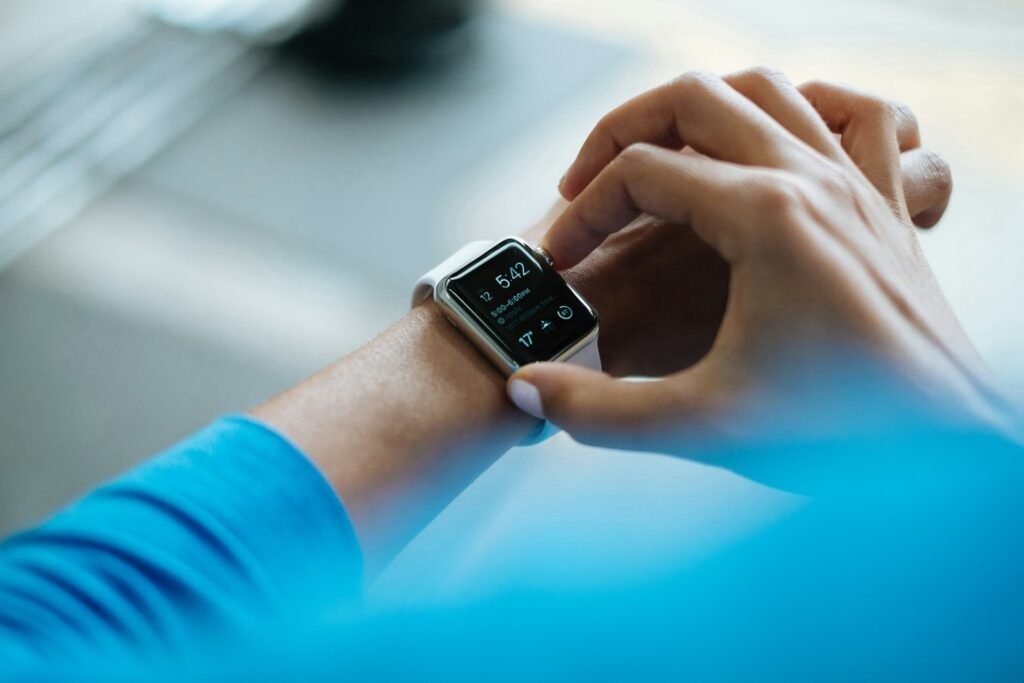
Apple Watch

How AI Can Improve Health at Home in the UK

Artificial Intelligence (AI) has quietly become a part of everyday living, including how people manage their health from home. What was once limited to basic step counters and blood‑pressure monitors is now evolving into intelligent, learning technology that tracks well‑being, detects problems early, and even connects users to healthcare services automatically. AI isn’t replacing doctors or

AI Personal
AI

When AI Starts Making Decisions For Us Like It or Not

When AI Starts Acting Without Asking Artificial Intelligence (AI) technology is already learning, predicting and deciding in ways that often bypass direct human oversight. In some modern systems — from financial trading algorithms to city infrastructure controllers and healthcare diagnostics — AI decisions can be applied automatically, without anyone stopping to ask, “Should we?” When AI

AI Personal
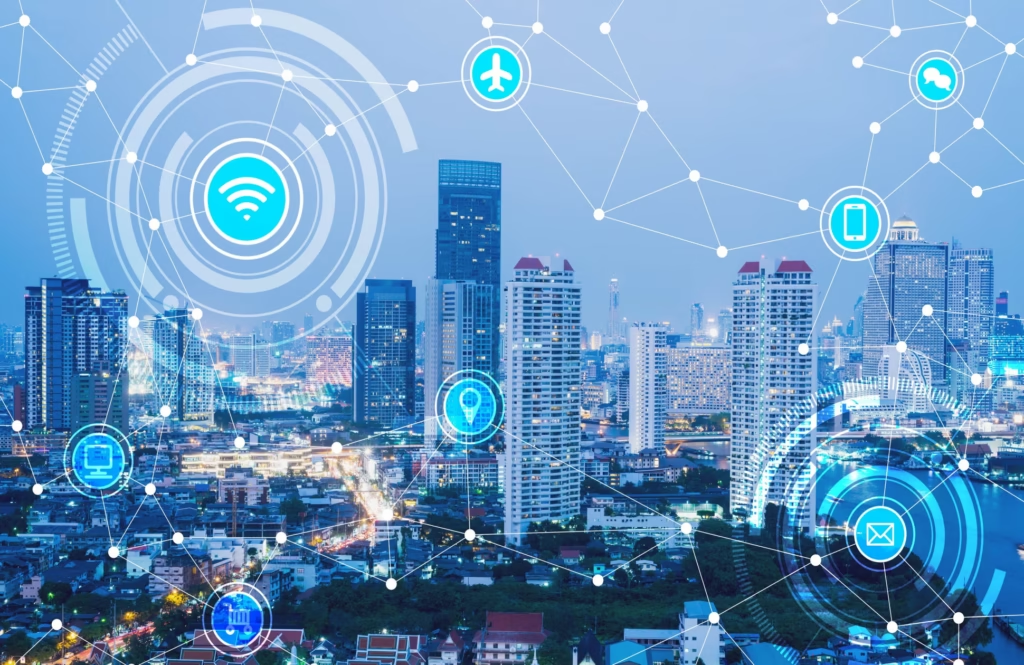
Smart City

“Cognitive Cities: The Next Evolution of Smart Living”

What Is a Cognitive City in Simple Terms? A cognitive city is the next step beyond today’s smart city.While smart cities collect and analyse data — things like traffic jams, pollution levels and energy use — cognitive cities interpret, learn and make autonomous decisions based on that data using Artificial Intelligence (AI). In short:A smart city observes what’s happening.A cognitive city understands why it’s

AI Personal
Andreas160578 Computer 1895383 1920 1024x683

The Changing Meaning of ‘Computer’ in the Age of AI

When most people in the UK hear the word computer, they think of something familiar: a desktop, a laptop, or maybe a smartphone. It’s a tool — a device for writing, browsing, calculating, or working. But as Artificial Intelligence becomes integral to everyday systems, the meaning of computer is shifting.In the future, a “computer” will not just be a

AI Personal
Co-pilot

When Will AI Become the Unseen Co‑Pilot of British Life?

AI is already somewhere in the driver’s seat — but not where people think. Most Britons already use AI dozens of times a day without realising it. It runs the algorithms curating your news feed, prices your train tickets, monitors your electricity use, and, increasingly, shapes city planning and medical decisions. According to The Alan Turing

AI Personal