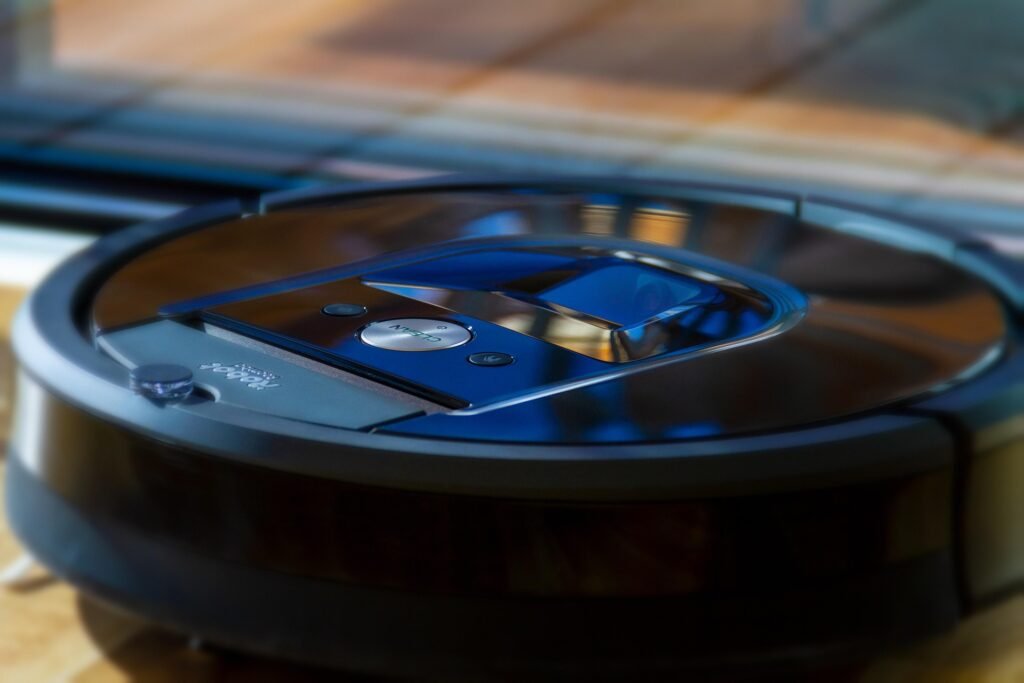
Artificial Intelligence (AI) and robotics have already made their way into British homes — from cleaning robots and smart washing machines to automated heating and voice assistants.
Yet despite impressive progress, AI cannot completely run all household chores in a UK home today. It can automate tasks, assist with planning, and save time, but true “hands‑off” domestic living remains partial, fragmented, and heavily dependent on human oversight.
Below is a clear, real‑world look at what AI can (and cannot) currently do for households, and how it will reshape the way Britons manage chores in the coming decade.
🏠 The Current Reality: Helpful, Not Self‑Sufficient
What AI Can Do Today
AI home systems can automate or assist with a growing list of household jobs:
| Chore | AI Technology Used | Example / Adoption in the UK | Human Role Still Required? |
|---|---|---|---|
| Vacuuming / Floor cleaning | Robotic vacuums with computer vision | Dyson 360 Vis Nav, Roborock S8 | Yes – emptying bins, clearing clutter |
| Laundry | AI sensors for load type and detergent | LG ThinQ Washer, Samsung Bespoke AI | Yes – loading and folding clothes |
| Heating & energy control | Machine‑learning thermostats | Hive, Google Nest | Minimal – monitoring and preferences |
| Cooking | Smart ovens & recipe guidance | Samsung AI Oven, Thermomix TM6 | Yes – preparation & supervision |
| Shopping management | AI inventory and delivery systems | Tesco app recommendations, Alexa ordering | Yes – confirming choices & unpacking |
| Security surveillance | AI facial and motion detection | Ring, Arlo, Eufy Smart Systems | Minimal – human verification of alerts |
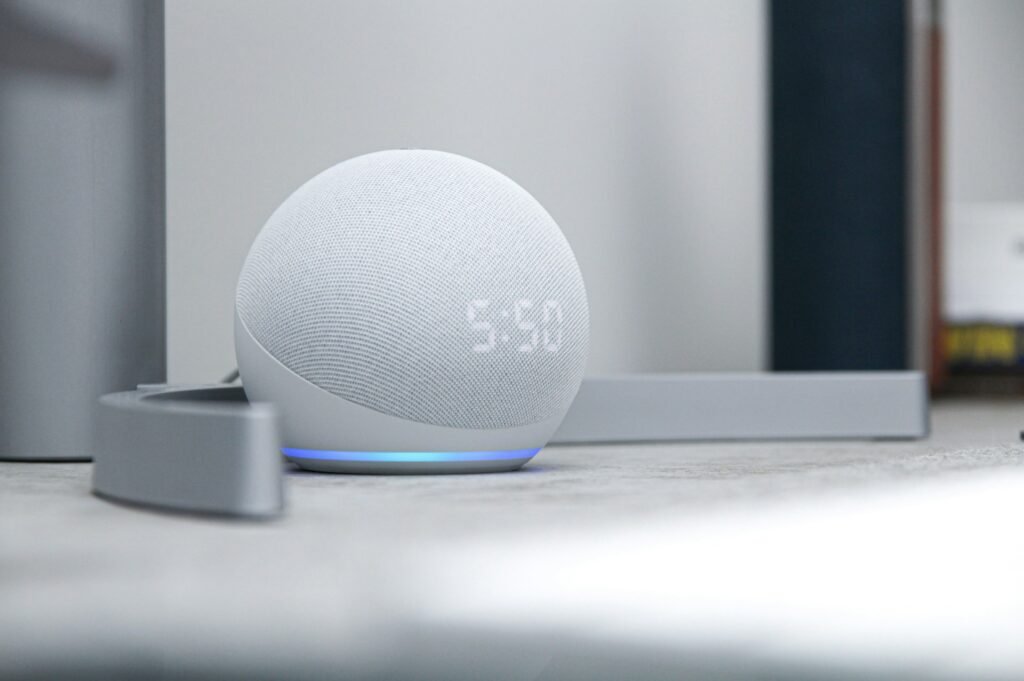
| Scheduling / reminders | Voice assistants & smart calendars | Amazon Alexa, Google Home | No for reminders, but yes for judgement calls |
What AI Still Struggles With
- Physical dexterity: Folding laundry, washing dishes, cleaning kitchens — tasks that need delicate movement or decision‑making still require humans.
- Context and nuance: AI cannot judge spill severity, prioritise which repair to do first, or improvise when something breaks.
- Integration: Most homes have many separate smart systems, not a single unified “brain.” Systems from Amazon, Google, or Apple rarely cooperate seamlessly.
📊 According to Yale Smart Home Trends (2026), only around 15–20% of all domestic chores in British homes can be fully automated today. That leaves 80% requiring at least partial manual involvement.
🤖 The Direction of Change: The Next 5–10 Years
AI will not make humans redundant at home, but it will change how chores get done — shifting households towards supervision rather than labour.
Smarter, Not Just Faster Appliances
By the early 2030s, domestic devices will share information through open platforms such as the Matter protocol (Google / Apple / Samsung).
AI will enable:
- Washing machines that run automatically when electricity is cheapest.
- Ovens that pre‑heat based on your predicted meal schedule.
- Dishwashers that order replacement salt and detergent before you notice you’re out.
These are incremental, not radical, shifts — making chores invisible by blending them into the background of daily life.
🍲 AI and the Kitchen Revolution
Today
AI provides recipe suggestions and temperature control — useful, but still an aid. People must prepare ingredients manually.
Emerging Changes
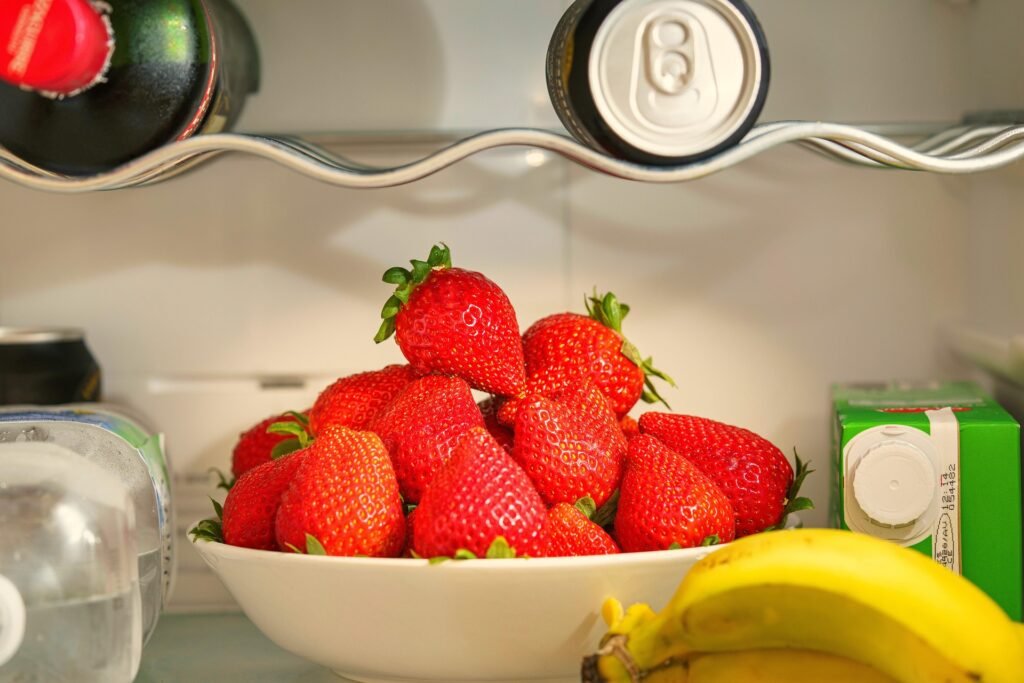
- AI nutritional assistants: Smart fridges (already in LG and Samsung’s 2025 ranges) track expiry dates and meal plans.
- Automated cooking stations: UK start‑ups like Moley Robotics are developing robot chef arms that can prepare pre‑set recipes, though still expensive and limited in range.
- Delivery AI: Grocery apps such as Ocado Smart Platform use AI to predict your shopping needs based on past orders.
Long‑Term Reality
Fully robotic cooking in UK homes will remain niche for at least another decade — too costly, too niche, and not flexible enough for diverse diets.
But for meal planning and ordering, AI will become standard — replacing the traditional shopping list by the late 2020s.
🧹 Cleaning and Maintenance
Current Stage
Robovacs and mops handle simple cleaning, but multi‑room understanding is still limited. Most devices can’t climb stairs, handle rugs properly, or clean corners.
- AI feature trend: “Computer vision” allows mapping and avoidance of obstacles, used by Dyson and Roborock.
- Integration with voice control: “Alexa, start the cleaner” is now typical in smart households.
Next Decade
- Multi‑task domestic bots capable of mopping, dusting, and minor garbage collection will enter higher‑end markets by around 2030 (Barclays Technology Outlook, 2026).
- Predictive maintenance systems will track leakages, air quality, and appliance faults before they happen.
- British councils and insurers already incentivise adoption of smart leak‑sensors due to water damage prevention benefits.
Still, tidying and arrangement — toys, clothes, sorting cupboards — will remain human territory for the foreseeable future.
🔋 Energy and Sustainability Automation
AI energy management is one of the most mature household uses in Britain today.
- Smart meters and thermostats optimise energy by predicting when homes are occupied.
- By 2028, energy companies plan widespread renewable balancing via AI (National Grid ESO, 2025).
- Homes will act as micro energy ecosystems, linking solar panels, EV chargers, and heaters via predictive software.
Why it matters:
Rising costs make “AI efficiency” as much about savings as sustainability. AI becomes a financial ally, not a futuristic toy.
🧠 The Psychological Shift — From “Doing” to “Monitoring”
AI is slowly moving household labour from effort to attention. Instead of physically cleaning, cooking, and organising, families will supervise, configure, and troubleshoot systems that do.
- Today: You vacuum.
- 2030: You tell your home to vacuum.
- 2035: The home decides when to vacuum, based on foot traffic data and time of day.
The inevitable downside is over‑reliance: if the system fails or loses connectivity, everyday routines can falter — much like when Wi‑Fi or broadband goes out now.
⚖️ Benefits vs Drawbacks
| Advantages | Drawbacks |
|---|---|
| Time savings for busy families | Data privacy concerns (“always listening” issue) |
| Lower utility bills via AI optimisation | Dependence on manufacturer ecosystems |
| Accessibility support for elderly or disabled | Increased electronic waste & repair difficulty |
| More comfort and convenience | Job impact on cleaners and domestic staff sectors |
(Sources: Ofcom Smart Home Survey 2025; Samsung UK Smart Living Report 2025; Which? Appliance Trends 2026)
🔮 The Future Household: A Realistic Forecast
| Year | AI Role in the Average UK Home | Level of Automation Achieved |
|---|---|---|
| 2026 | Voice assistants, smart thermostats, robotic vacuums | 15–20% |
| 2028 | Interconnected appliances, predictive energy saving | 30–35% |
| 2030 | Routine cleaning and scheduling fully automated | ~50% |
| 2035+ | Integrated multi‑function domestic robots common | ~70% (with supervision) |
Cynically speaking, the remaining 30% — most of the real mess, laundry, and dishwashing — will continue demanding human effort. AI will make chores invisible, but not vanish them.
🏡 Final Thoughts
Today
AI in the average British home is a capable assistant, not a replacement. It simplifies routines but requires human correction and cooperation.
Tomorrow
Within a decade, household chores will look less like work and more like system management:
- Cleaning and heating done on automatic cycles.
- Appliances reordering their own supplies.
- Homes communicating with your calendar to predict needs.
What Will Change the Most
- Time use – less housekeeping, more monitoring.
- Skills – more technical literacy needed for setup and repair.
- Expectations – a generation will grow up expecting homes that “think for themselves.”
✳️ In Summary
AI today can manage select chores efficiently but not the whole house.
In the next 5–10 years, the UK household will evolve into a hybrid: half-human, half-automated, where machines carry out most labour but people still make the judgement calls.
The biggest shift won’t be physical — it’ll be cultural: the normalisation of homes that talk, anticipate, and tidy up for us.
And once that becomes common, doing the housework yourself may start to feel like rewinding the clock to the 1990s.