Peter Flynn

Will AI Use Less Energy in The Future

Yes — there is strong evidence that Artificial Intelligence (AI) systems will use considerably less energy in the coming decade than they do today.At the moment, AI training and operation consume vast amounts of electricity, both from data centres and from cooling systems. But improvements in model design, hardware, and renewable‑energy infrastructure are expected to make future […]


AI Business, Real World
Gambling

Will AI Take Over the Gambling Industry in England?

Algorithmic Odds Making and Risk Management Bookmakers and online betting platforms already employ advanced AI systems to assess millions of data points in seconds.Algorithms now handle: This technology, known as “algorithmic trading” in betting, has made human bookmaking skills largely redundant. British brands such as Betfair, William Hill, and Entain (Ladbrokes Coral) rely heavily on automated modelling to keep markets profitable

AI Business, Real World
Quantum Computing

Will Anything Supersede AI?

Artificial Intelligence, in its current form, is not the end of technological evolution. It’s a step — a major one — towards systems that are self‑aware, bio‑synthetic, and fully autonomous.While today’s AI is advanced in pattern recognition and reasoning, it is still dependent on human design. The next generation of technology may not be artificial at all, but

AI Business, Real World
Electric Vehicle

Will AI Improve the Energy Efficiency of British Cars?

Smart Energy Management Systems Modern hybrid and electric vehicles (EVs) use AI‑based energy management algorithms to decide how and when to switch between power sources. For instance, AI analyses driving patterns, temperature, terrain and traffic flow to determine the most efficient use of the electric motor and combustion engine (in hybrids). In EVs, it manages battery charge

AI Business, Real World
Social Media

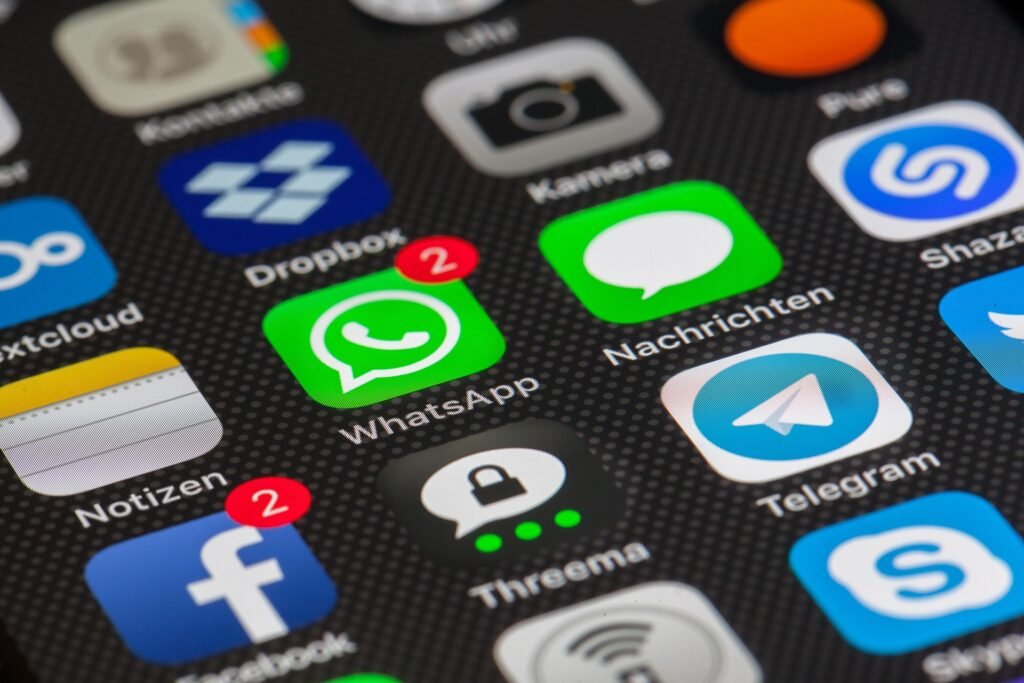
Does Social Media in the UK Use Too Much AI Technology?

Yes — and increasingly, that’s by design. Artificial Intelligence (AI) underpins almost every aspect of social media platforms used in the UK today. From personalised adverts and content recommendations to moderation, design, and even emotional analysis, AI is the invisible hand shaping what British users see, like and believe on social platforms such as Facebook, X (Twitter),

AI Personal, Real World

What Are The Mental Health Effects of AI?

Anxiety and Financial Trauma Losing a job already ranks among the top causes of stress; losing it to a machine compounds the humiliation. People describe feeling “obsolete”, “tricked”, or “betrayed by technology”. According to research from the Mental Health Foundation (2024), job insecurity tied to automation contributes significantly to generalised anxiety disorder and feelings of hopelessness. Communities once thriving around

AI Personal, Cynical
AI Images

How Can You Tell The Difference Between Real and AI Images?

In short — yes, and in many cases, they already are.AI-generated images have reached a level of photorealistic precision that even trained professionals struggle to differentiate from photographs. Advances in generative models like OpenAI’s DALL‑E, Google’s Imagen, and Stability AI’s Stable Diffusion have allowed synthetic pictures to mimic the texture, lighting and imperfection of real photography. Within the next two

AI Personal, Real World
Hospitality Industry

Will AI Ruin The English Hospitality Industry?

Artificial Intelligence (AI) and robotics are creeping into every aspect of hospitality — from hotels and restaurants to event management and customer service. The promise of efficiency, lower costs and round-the-clock reliability is tempting to business owners in an industry battered by staff shortages, inflation and high wage costs. But beneath the marketing gloss lies a more uncomfortable truth:

AI Business, Cynical
Traditional English Toys

How will AI Change Traditional Children’s Toys in The UK?

Artificial Intelligence is steadily reshaping almost every area of modern life, and children’s playtime is no exception. The UK’s toy sector, worth over £3.5 billion annually, is already seeing the rise of AI-powered interactive toys, voice-responsive dolls, and adaptive robots. But technological play raises complex questions — not only about learning and creativity, but also about privacy, data,

AI Personal, Real World

Will AI Change Our Normal Day in The UK?

Artificial Intelligence isn’t coming for the future — it’s already quietly making decisions all over the UK, from what time your alarm goes off to when your supermarket delivery shows up. For the average person, AI will reshape the daily routine not through shocking leaps, but through tiny, constant intrusions disguised as “helpful” improvements. This shift will be

AI Personal, Real World