If you rely on stock photography income in the UK, this is the most exposed corner of the entire photography sector.
Bluntly:
Stock photography is the part AI can replicate most easily and most cheaply.
The Straight Percentage (10-Year Outlook)
Using:
- Business demography data from the Office for National Statistics
- Insolvency trends from the Insolvency Service
- The rapid adoption of generative image tools by media, marketing and SMEs
A realistic estimate is:
25%–50% of UK stock-focused photography businesses could exit or see their income collapse over the next decade where AI is a primary contributing factor.
That is the highest AI exposure within photography services.

Why Stock Photography Is So Vulnerable
1️⃣ Stock Is Built on Generic Demand
Stock libraries exist to provide:
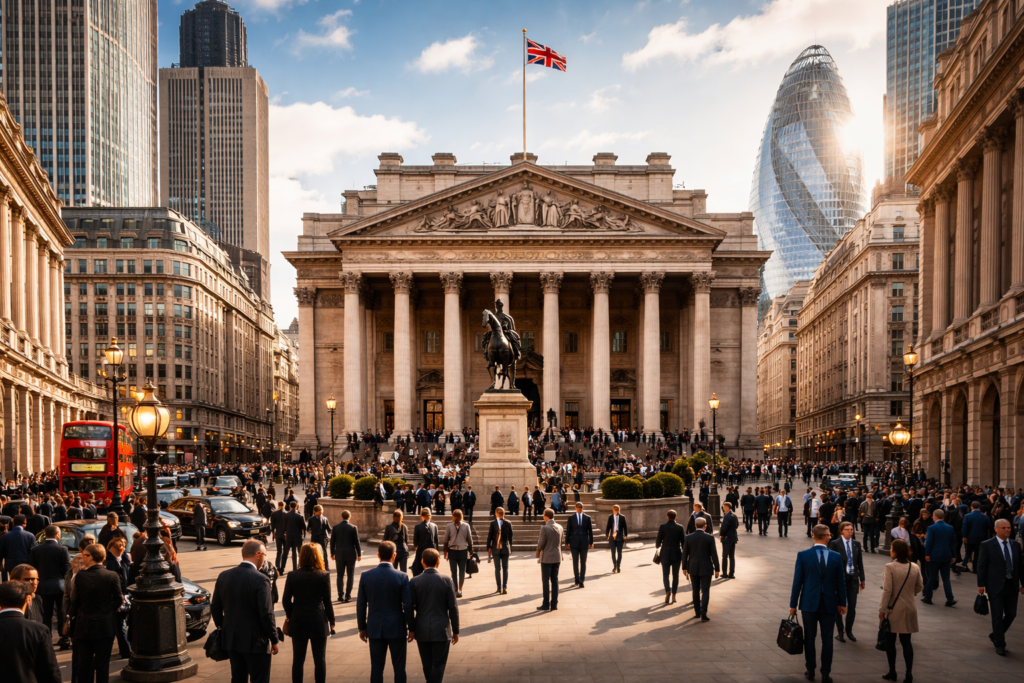
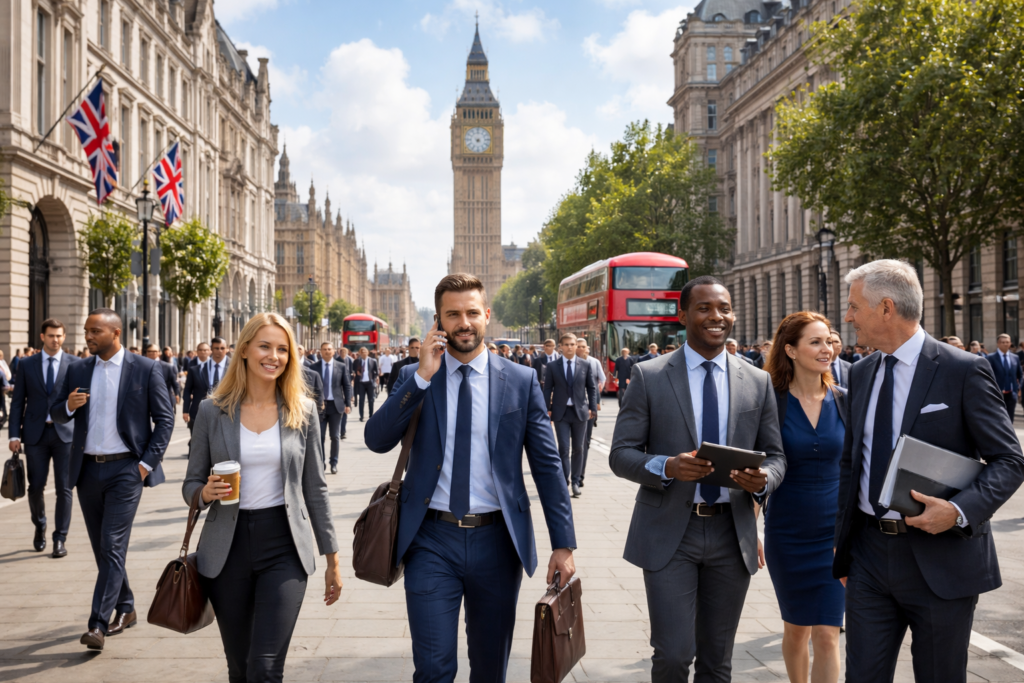
- “Smiling business team”
- “Laptop on desk”
- “Handshake deal”
- “Modern office background”
- “Happy family at home”
- “Abstract technology concept”
These are precisely the types of images AI generates convincingly.
Stock is:
- Repetitive
- Concept-based
- Non-event-driven
- Emotionally generic
That is perfect terrain for automation.
2️⃣ Buyers Want Speed and Cost Efficiency
Marketing teams increasingly need:
- Rapid social visuals
- Ad variants
- Concept mock-ups
- Background illustrations
AI provides:
- Instant generation
- Infinite variations
- Zero licensing negotiation
- Customised imagery
That erodes the value of pre-shot generic libraries.
3️⃣ Platform Economics Favour AI
Major stock platforms have already incorporated AI tools or allow AI-generated content.
Scale platforms absorb change faster than individual contributors.
When supply increases infinitely and demand is flat, pricing collapses.

The Real Economic Mechanism
Stock photography depends on:
- Scarcity of suitable images
- Licensing structure
- Controlled distribution
AI removes scarcity.
Once an image can be generated on demand, the pricing power shifts permanently.
This is not a cyclical downturn.
It is structural change.
Where the 25%–50% Estimate Comes From
Baseline UK business churn
ONS data shows annual business “death rates” close to 10% in recent years.
Source: Office for National Statistics
Many stock photographers already operate as:
- Sole traders
- Side income businesses
- Thin-margin contributors
Add AI disruption, and exits accelerate.
Advertisement

- 🖨️ Print on Stickers Instantly! – Snap, print and decorate in seconds.
- 🎂 4 years+ – Perfect for children 4 years and over.
- 🔵 4x Fun Pink or Blue Sticker Rolls – Loads of printing fun included.
Revenue Compression, Not Just Closures
Even where businesses do not formally close:
- Revenue may halve.
- Per-image royalties may decline.
- Competition may multiply.
So while 25–50% may “exit”, an even larger percentage may experience material income reduction.
Who Is Most at Risk?
Highest Risk
- Generic business concept photographers
- Lifestyle stock contributors
- Background/texture libraries
- Travel stock without unique access
- Volume microstock producers
Slightly Lower Risk (but still pressured)
- Highly niche subject specialists
- Hard-to-access environments
- Unique documentary collections
- Specialist B2B sector imagery
But even niche categories are not immune if AI models train on similar styles.
The Psychological Reality
Stock photography was built on passive income promise.
AI disrupts that promise.
It moves the value from:
- Owning the image
to - Prompting the image
That is a fundamental shift.
What Survives in Stock?
- Genuine documentary access.
- Hyper-local UK niche content.
- Highly specialised industrial imagery.
- Regulated environments requiring authenticity.
- Images requiring verifiable provenance.
AI struggles most with:
- Legal clearance
- Real identifiable locations
- Trusted authenticity
- Editorial truth
My 10-Year Forecast (UK Stock Sector)
If 100 UK stock-focused operators exist today:
- 25–50 may exit due to AI-linked income erosion.
- Many more will see royalties decline.
- A small number will pivot successfully.
The survivors will:
- Use AI themselves.
- Create hybrid AI-enhanced workflows.
- Focus on authenticity-based niches.
- Develop direct licensing relationships.
The Brutally Honest Conclusion
Stock photography is the most AI-exposed part of the photography ecosystem.
It competes directly with:
- Infinite supply
- Instant production
- Near-zero marginal cost
That is a difficult economic battle.
AI will not eliminate all stock imagery.
But it will permanently compress margins.
UK References
- Office for National Statistics – Business demography
- Insolvency Service – Company insolvency statistics
We have created Professional High Quality Downloadable PDF’s at great prices specifically for Small and Medium UK Businesses. Which include help and advice on understanding what Artificial Intelligence is all about and how it can improve your business. Find them here.