
Artificial intelligence continues to move rapidly from theory into real-world deployment across England and the wider United Kingdom. From NHS medical breakthroughs to debates over datacentre expansion and copyright protection, the UK’s AI landscape is increasingly defined by the balance between innovation, infrastructure and governance.
This morning’s briefing highlights the most significant developments shaping the country’s artificial intelligence ecosystem, with the latest stories from England first and then wider national developments.
Top Artificial Intelligence Stories in England
NHS study finds AI can outperform radiologists in breast cancer detection

One of the most significant AI developments in England this week comes from healthcare research involving the NHS.
A major study analysing screening data from 175,000 women found that artificial intelligence systems were able to detect breast cancer in mammograms as accurately as – and in some cases more effectively than – human radiologists.
Researchers say the technology could help tackle one of the NHS’s most persistent challenges: the shortage of specialist radiologists required to review large volumes of scans.
The study reported that AI systems identified more cancer cases during screening than standard clinical workflows in the trial dataset.
The implications for England’s healthcare system are substantial:
- Faster diagnosis and earlier treatment
- Reduced pressure on NHS imaging specialists
- Improved detection rates in national screening programmes
Experts caution, however, that AI should support clinicians rather than replace them, with human oversight remaining essential for complex medical decisions.
London universities and startups showcase new AI research at major festival

London’s academic and startup ecosystem continues to play a leading role in the UK’s AI innovation pipeline.
A major AI Festival at University College London (UCL) is bringing together researchers, entrepreneurs and students to demonstrate emerging AI applications across science, engineering and industry.
The event highlights the growing collaboration between universities and technology companies in England’s capital, where AI research is rapidly moving into commercial deployment.
Areas of research being showcased include:
- machine learning for healthcare
- autonomous systems
- AI‑powered climate modelling
- generative AI tools for digital industries
These initiatives reinforce London’s status as one of Europe’s most active artificial intelligence research hubs.
Artificial Intelligence Developments Across the Wider United Kingdom
AI datacentre expansion sparks environmental protests

As the UK accelerates its push to become a global AI hub, infrastructure expansion is triggering growing environmental concerns.
Campaign groups across the country have announced protests against the construction of large-scale AI datacentres, warning that the facilities require huge amounts of electricity and water.
The rapid growth of AI services—particularly large language models—has dramatically increased demand for high-performance computing infrastructure.
Critics argue that without clear sustainability strategies, datacentres could undermine national climate goals.
Supporters of the projects counter that such infrastructure is essential if the UK wants to compete with AI superpowers such as the United States and China.
UK government launches new lab to accelerate AI breakthroughs

The UK government has announced plans to establish a new national AI research laboratory designed to accelerate high‑risk, high‑reward technological breakthroughs.
The initiative aims to support advances across multiple sectors including healthcare, transport and scientific research.
Officials say the new lab will help Britain compete globally in cutting‑edge AI development while strengthening collaboration between academia, government and industry.
The project reflects a broader strategy to position the UK as a leading centre for AI innovation and research.
Parliament warns generative AI poses “clear danger” to UK creative industries

The UK’s creative industries are increasingly pushing back against generative AI systems that train on copyrighted material.
A parliamentary committee recently warned that AI technologies pose a “clear and present danger” to sectors such as music, publishing and film unless stronger copyright protections are introduced.
Lawmakers say the government must ensure AI developers obtain proper licences when using copyrighted content to train models.
The committee warned that the creative sector faces significant disruption unless copyright law keeps pace with generative AI technologies.
The debate reflects a growing tension between two priorities:
- maintaining the UK’s competitiveness in AI development
- protecting the intellectual property of artists and creators
Outlook: Britain’s AI Strategy Moves From Experiment to Implementation
Across England and the wider UK, artificial intelligence is rapidly moving from experimental technology to national infrastructure.
Three themes stand out this week:
- AI in healthcare showing measurable clinical benefits
- Infrastructure expansion driving debate about energy and sustainability
- Policy and regulation shaping how AI interacts with copyright, jobs and public services
For policymakers, businesses and cyber professionals alike, the next phase of the UK’s AI story will depend not only on technological breakthroughs but also on responsible deployment, secure infrastructure and public trust.
CyberEngland Daily AI Briefing: Clinical Breakthroughs, Security Risks and the UK’s AI Reality Check
Artificial intelligence is increasingly embedded in the UK’s critical systems—from healthcare diagnostics to national infrastructure planning. Today’s developments show a country advancing rapidly in applied AI, while simultaneously confronting questions around safety, transparency and long-term strategy.
This morning’s briefing prioritises the most significant developments in England, followed by the wider UK picture shaping the national AI ecosystem.
Top Artificial Intelligence Stories in England
AI improves early cancer detection in NHS trials

Artificial intelligence is continuing to demonstrate tangible clinical value within England’s healthcare system.
New NHS-backed research shows that AI tools used in breast cancer screening can improve early detection rates while reducing the workload on radiologists. Trials involving large patient datasets indicate that AI systems can identify subtle abnormalities that may be missed during manual review.
Researchers noted that AI-assisted screening “increased detection rates while maintaining clinical safety standards”.
The implications for England are significant:
- earlier diagnoses and improved patient outcomes
- reduced diagnostic bottlenecks across NHS trusts
- increased efficiency in national screening programmes
Healthcare leaders stress that AI is being deployed as a decision-support tool, not a replacement for clinicians.
Source:
https://www.bbc.co.uk/news/health-2026-ai-breast-cancer-study
AI safety concerns deepen as models tested for misuse

AI safety remains a growing concern in England’s research and cybersecurity communities.
Recent testing by researchers has shown that some generative AI systems can produce problematic outputs when prompted in specific ways, including responses that simulate harmful scenarios.
The findings reinforce ongoing warnings from cyber experts that AI systems must be deployed with robust guardrails and monitoring frameworks.
One researcher said the results show how “determined users can still bypass safeguards in certain contexts”.
For organisations across England, this highlights the importance of:
- secure AI deployment strategies
- continuous red-teaming of AI systems
- clear internal governance policies
Source:
https://www.theguardian.com/technology/2026/mar/ai-chatbot-safety-research
Artificial Intelligence Developments Across the Wider United Kingdom
UK datacentre expansion raises infrastructure and energy concerns
Across the UK, the expansion of datacentres to support AI workloads is becoming one of the most debated aspects of national technology policy.
New reports highlight concerns about the energy demands and environmental impact of large-scale AI infrastructure, particularly as demand for compute continues to grow.
Experts warn that without coordinated planning, AI infrastructure could place strain on power grids and conflict with climate targets.
At the same time, industry leaders argue that such investment is essential to ensure the UK remains competitive in global AI development.
Source:
https://www.reuters.com/technology/uk-ai-datacentres-energy-demand-2026
Government AI investment claims face increasing scrutiny

Questions are mounting over the credibility of some UK AI investment announcements, particularly around infrastructure delivery.
Investigations suggest that certain high-profile funding figures may not yet correspond to fully realised projects, raising concerns about transparency and execution.
Analysts warned that discrepancies between announcements and delivery timelines could undermine investor confidence.
The issue is particularly relevant for:
- regional economic planning
- private sector investment decisions
- long-term AI infrastructure strategy
Ensuring that announced investments translate into operational capability will be critical for the UK’s AI ambitions.
Source:
https://www.theguardian.com/technology/2026/mar/uk-ai-investment-scrutiny-report
Outlook: From Momentum to Measurable Delivery
The UK’s artificial intelligence strategy is entering a phase where real-world results matter more than announcements.
Across England and the wider UK, today’s developments point to three defining priorities:
- Scaling trusted AI in healthcare and public services
- Securing AI systems against misuse and emerging threats
- Delivering credible infrastructure to support long-term growth
The trajectory is clear: artificial intelligence is no longer a future ambition for the UK—it is now a core component of national capability, with success dependent on execution, oversight and public confidence.
CyberEngland Daily AI Briefing: London’s AI Expansion, Public Sector Push and Rising Trust Challenges
Artificial intelligence in England and across the UK is entering a decisive phase where real-world deployment, public trust and infrastructure credibility are becoming as important as innovation itself. Today’s developments highlight a nation pushing forward with AI adoption while facing sharper scrutiny over delivery, governance and risk.
Top Artificial Intelligence Stories in England
Google DeepMind’s London expansion signals long-term AI commitment

London continues to strengthen its position as a global AI hub, with Google advancing plans to expand its presence through a major new office development in King’s Cross.
The site—linked symbolically to DeepMind’s AlphaGo breakthrough—will also include a public-facing AI learning space designed to engage communities and demystify artificial intelligence.
DeepMind leadership has framed the move as part of a broader effort to connect cutting-edge AI research with public understanding and real-world application.
This development reinforces London’s role as:
- a centre for frontier AI research
- a magnet for global talent
- a bridge between academic research and commercial deployment
Source:
https://www.reuters.com/technology/google-expands-london-ai-presence-deepmind-2026
Government pushes NHS and defence to adopt British AI solutions

The UK government is intensifying efforts to ensure public sector organisations—particularly the NHS and Ministry of Defence—prioritise British-built AI technologies.
The initiative aims to accelerate innovation adoption while supporting domestic technology companies and strengthening national capability.
Officials say a faster procurement model will help bring AI tools into frontline services more quickly, particularly in healthcare diagnostics and defence analytics.
Ministers emphasised the need to “kick-start growth” by aligning public spending with UK innovation.
For England, this could reshape:
- healthcare delivery models
- defence technology ecosystems
- the growth trajectory of domestic AI startups
Source:
https://www.theguardian.com/business/2026/mar/uk-government-ai-procurement-nhs-defence
Artificial Intelligence Developments Across the Wider United Kingdom
AI investment claims under scrutiny as delivery gaps emerge
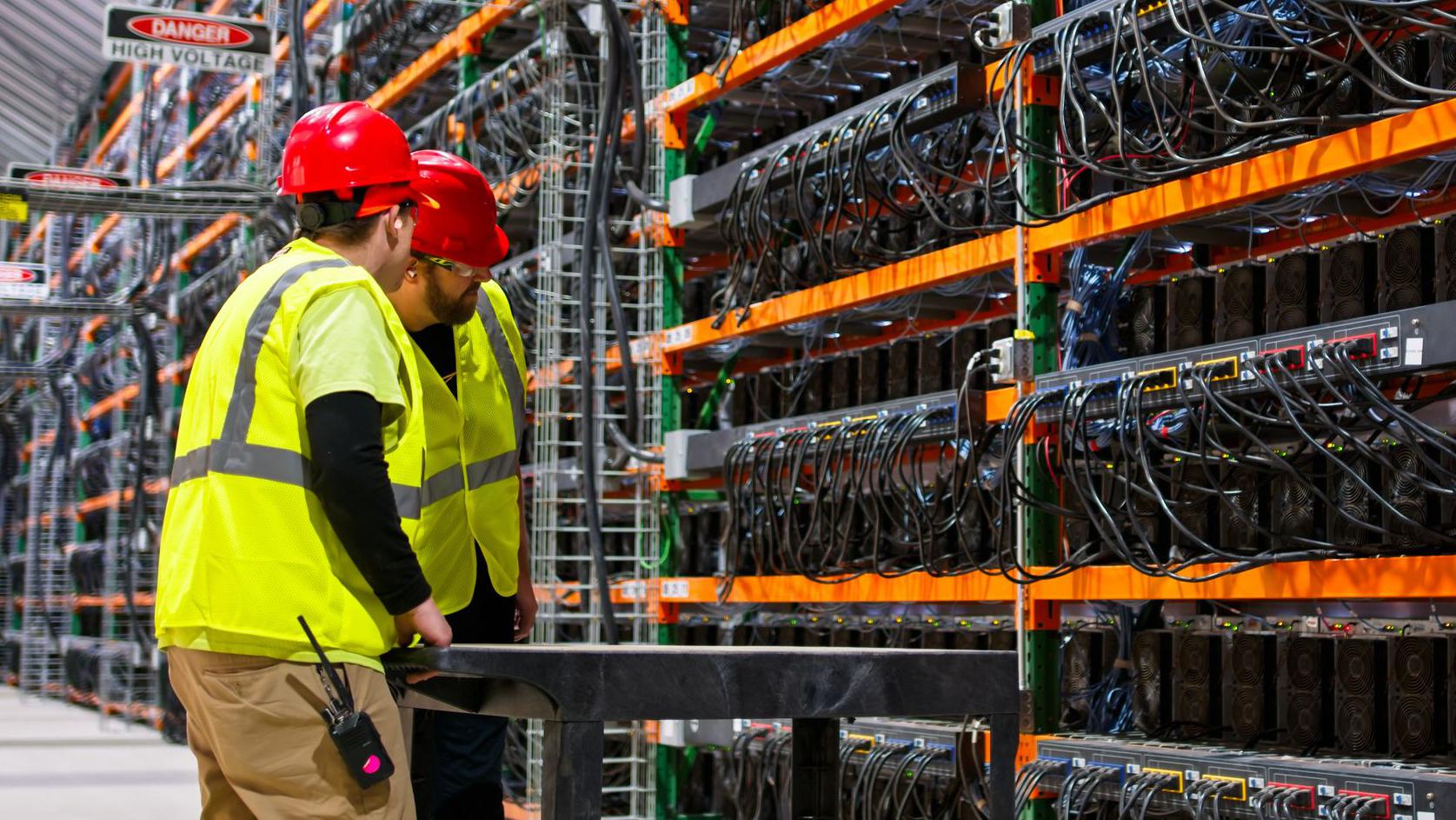
Concerns are growing over whether the UK’s headline AI investment figures accurately reflect real-world infrastructure development.
Investigations suggest that some high-profile announcements may rely on projected or partially realised projects, raising questions about transparency and execution.
Experts warn that gaps between policy announcements and delivery could undermine investor confidence and slow the UK’s progress in building competitive AI infrastructure.
Source:
https://www.theguardian.com/technology/2026/mar/uk-ai-investment-investigation
AI-driven fraud reaches record levels across the UK
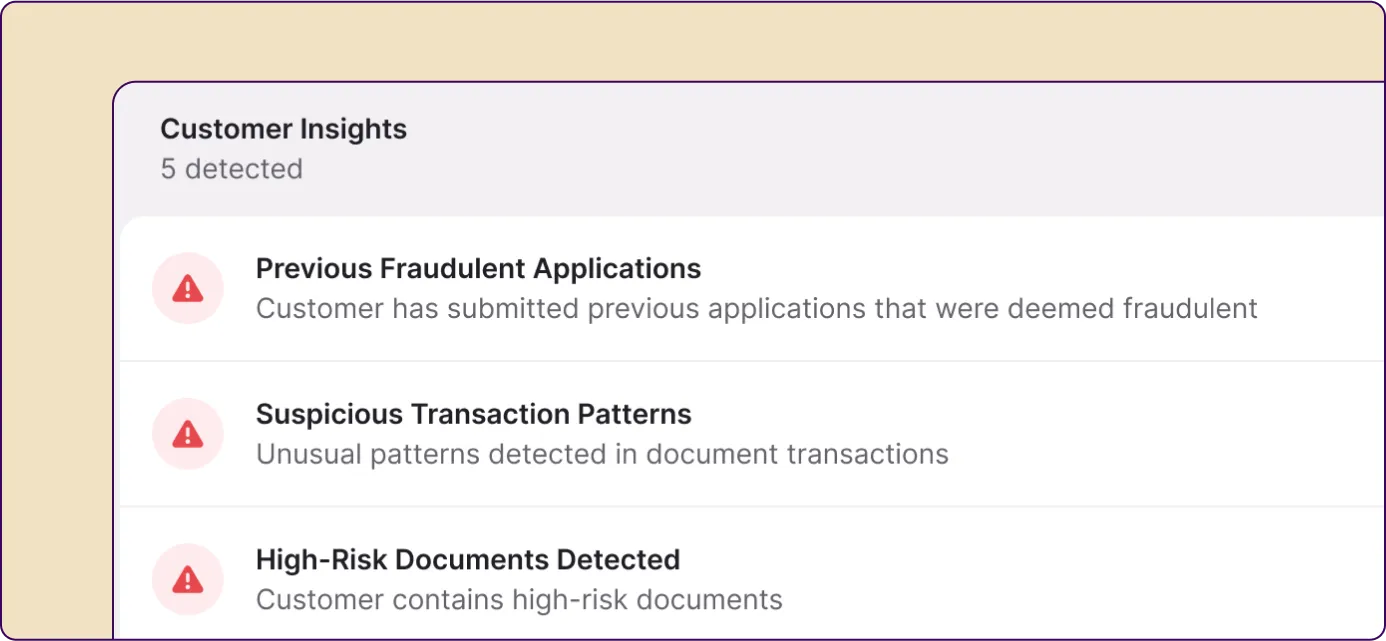
Artificial intelligence is increasingly being exploited by cybercriminals, contributing to a surge in fraud cases across the UK.
Recent data shows record levels of reported fraud, with AI tools enabling more convincing scams, impersonation attacks and automated fraud campaigns.
Experts warn that AI is lowering the barrier to entry for sophisticated fraud, making scams harder to detect for both individuals and organisations.
This trend has major implications for:
- financial institutions
- online platforms
- public sector services
Organisations are being urged to strengthen detection systems and invest in AI-driven defensive tools to counter evolving threats.
Source:
https://www.theguardian.com/money/2026/mar/uk-ai-fraud-record-cases
Outlook: The UK’s AI Strategy Enters a High-Stakes Phase
Across England and the wider UK, artificial intelligence is no longer just a strategic ambition—it is becoming embedded in national infrastructure, public services and economic planning.
Key themes emerging today:
- Expansion of AI hubs led by London and major technology players
- Stronger government intervention in AI adoption and procurement
- Rising scrutiny over investment credibility and infrastructure delivery
- Escalating cyber risks driven by AI-enabled threats
The direction is clear: the UK’s success in artificial intelligence will depend not only on innovation, but on execution, security and the ability to maintain public trust as AI becomes part of everyday systems.
For more on the latest AI Help and Advice go to https://smallmediumbusiness.co.uk/category/news/