Why This Question Is No Longer Paranoid Thinking
A few years ago, worrying about employees stealing “AI ideas” might have sounded dramatic. Now it is a legitimate business risk.
Artificial intelligence has changed how value is created inside companies. It is no longer just physical products or client lists that matter. Increasingly, the real value sits in:
- internal workflows
- prompt libraries
- automation setups
- customer data models
- proprietary ways of using AI tools
These are easy to copy, difficult to detect, and highly portable.
According to the National Cyber Security Centre, insider threats remain one of the most challenging risks for organisations because trusted individuals already have access to systems and data.
So no, this is not paranoia. It is a side effect of modern digital business.
What “Stealing AI Ideas” Actually Means in Practice
It Is Rarely About One Big Theft
Most business owners imagine a dramatic event. In reality, it is usually gradual and subtle.
Common examples include:
- Copying internal documents or playbooks
- Exporting CRM data or customer insights
- Saving AI prompts and workflows
- Emailing files to personal accounts
- Taking screenshots of dashboards or systems
These actions often look harmless in isolation. Over time, they can recreate your entire operating model outside your business.
The Information Commissioner’s Office highlights that misuse of data by employees is a common cause of data breaches, often involving unauthorised sharing or retention of business information.
AI Makes This Easier Than Ever
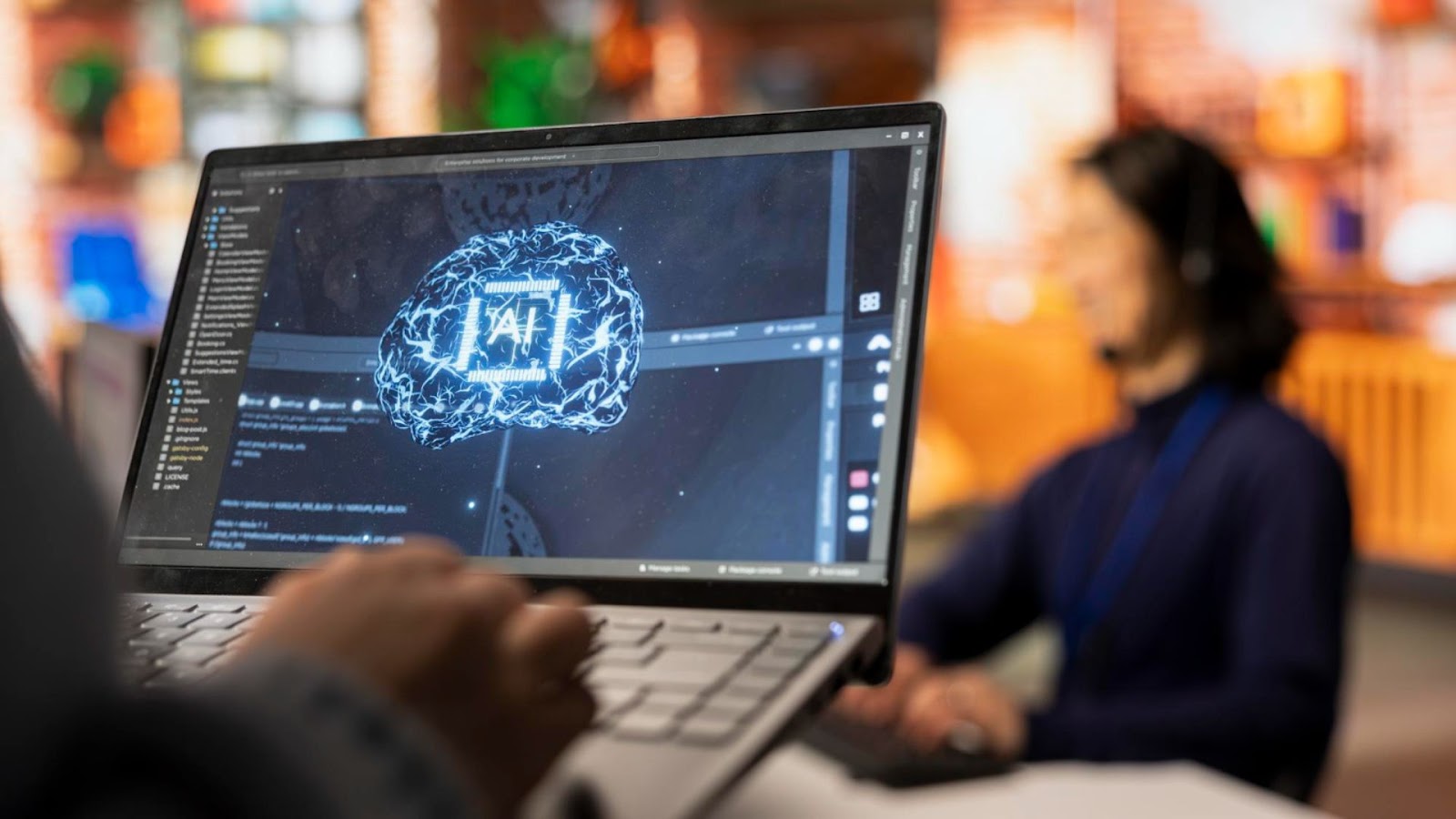
AI lowers the barrier to replicating a business.
An employee no longer needs:
- deep technical skills
- years of experience
- large teams
They can combine:
- your internal knowledge
- AI tools
- publicly available software
…and rebuild a simplified version of your business quickly.
This is particularly relevant for SMEs, where:
- processes are less formalised
- controls are lighter
- key knowledge sits with individuals
The Institute for the Future of Work has warned that digital tools, including AI, are reshaping how work is organised and how knowledge is distributed, which increases both opportunity and risk.
Why Employees Do This (It Is Not Always Malicious)
Career Ambition and Opportunity
Many employees do not see themselves as stealing.
They think:
- “I helped build this”
- “I can do this better”
- “This is my next step”
AI accelerates this mindset because it reduces the effort required to start something independently.
Lack of Clear Boundaries

In many SMEs, there are no clear rules around:
- AI usage
- data ownership
- intellectual property
- client information
The Acas emphasises the importance of clear workplace policies, particularly as AI becomes more widely used.
Without clear guidance, employees may assume that using or keeping certain information is acceptable.
Frustration or Disengagement

Some insider risks come from dissatisfaction.
Employees who feel:
- undervalued
- overworked
- overlooked
may be more likely to take information or prepare to leave with it.
This is not just a security issue. It is a management issue.
Advertisement

- STAY CONNECTED ON YOUR TERMS: Be seen and heard clearly and securely with a HP True Vision camera and background noise-r…
- YOUR ALL-DAY, ANYWHERE PRODUCTIVITY POWERHOUSE: Face the day with an AMD Processor , long battery life, ample storage, a…
- AMD RYZEN 5 PROCESSOR: Tap into truly impressive notebook performance. A revolutionary new architecture with amazing bat…
The Real Risks to Your Business
Loss of Competitive Advantage
If your internal AI workflows or strategies are copied, a competitor could:
- replicate your services
- undercut your pricing
- target your customers
For SMEs, where differentiation is often fragile, this can be serious.
Data Protection and Legal Exposure
If employee actions involve customer data, the consequences can escalate quickly.
The Information Commissioner’s Office enforces data protection laws under GDPR, and breaches can result in:
- fines
- reputational damage
- loss of customer trust
This is where a “small internal issue” becomes a public problem.
Silent Knowledge Drain
Sometimes nothing is “stolen” in a legal sense.
But when an employee leaves with:
- knowledge of your systems
- understanding of your AI usage
- awareness of your weaknesses
…your business loses more than you realise.
This is one of the most underestimated risks in SMEs.
How to Protect Your Business Without Turning Into a Surveillance State
Establish Clear AI and Data Policies
Start with clarity.
Policies should define:
- what data can be used with AI tools
- what cannot leave the organisation
- ownership of work created using company systems
The Acas advises businesses to create clear, transparent policies to maintain trust and compliance.
Limit Access Based on Role
Not every employee needs access to everything.
Implement:
- role-based access controls
- restricted data permissions
- monitored downloads and exports
This reduces risk without disrupting operations.
Advertisement
- STAY CONNECTED ON YOUR TERMS: Be seen and heard clearly and securely with a HP True Vision camera and background noise-r…
- YOUR ALL-DAY, ANYWHERE PRODUCTIVITY POWERHOUSE: Face the day with an AMD Processor , long battery life, ample storage, a…
- AMD RYZEN 5 PROCESSOR: Tap into truly impressive notebook performance. A revolutionary new architecture with amazing bat…
Monitor Without Micromanaging
You do not need to spy on employees, but you do need visibility.
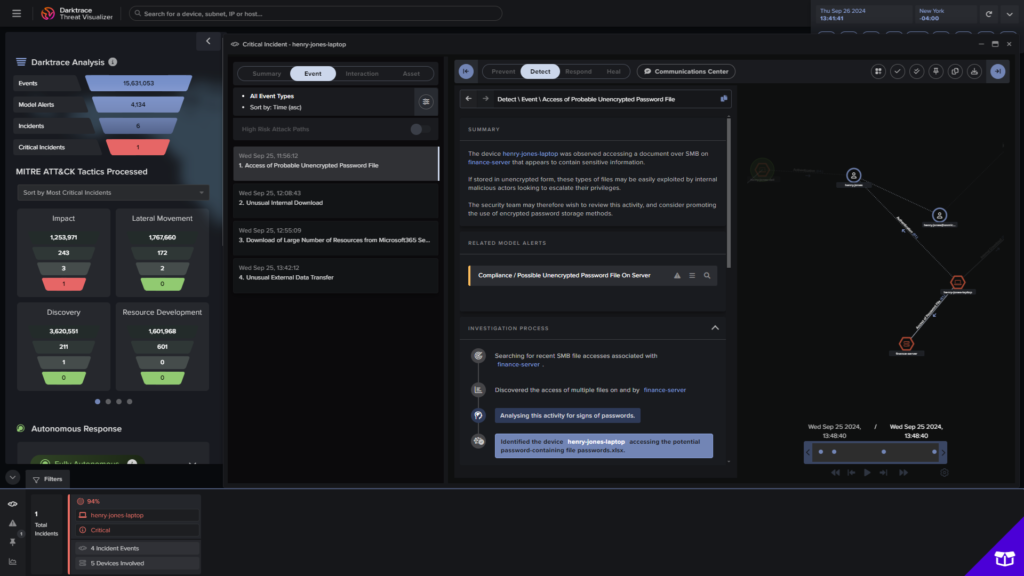
The National Cyber Security Centre recommends monitoring for unusual behaviour such as:
- large data transfers
- unusual login patterns
- access outside normal roles
This helps identify risks early.
Focus on Culture as Much as Control

This is the part many businesses ignore.
Employees who:
- feel valued
- understand boundaries
- trust leadership
are less likely to misuse information.
Security is not just technical. It is behavioural.
Advertisement

- THE MOST COLOURFUL MACBOOK LINEUP EVER — Choose from Silver, Blush, Citrus or Indigo — each with a colour-coordinated ke…
- POWER FOR EVERYDAY TASKS — Ready the moment you open it, MacBook Neo with the A18 Pro chip delivers the performance and …
- UP TO 16 HOURS OF BATTERY LIFE3 — With all-day battery life, MacBook Neo is equipped to go the distance for everyday use…
Expert Insight
From the National Cyber Security Centre:
“Insider threats can be particularly damaging because individuals may already have legitimate access to sensitive systems and data.”
From Acas:
“Clear policies help businesses stay safe, transparent and reassure staff that they are valued.”
Final Verdict
Employees stealing AI-related business knowledge is not a fringe risk. It is a modern version of an old problem, amplified by technology.
AI has made it:
- easier to copy workflows
- faster to replicate business models
- harder to detect small leaks of information
However, most cases are not deliberate sabotage. They are the result of:
- unclear boundaries
- weak controls
- human behaviour
The most effective response is not paranoia. It is structure.
The reality is simple:
If your business relies heavily on knowledge, workflows, and data, then protecting how that knowledge is used is now just as important as protecting physical assets.
Which is slightly inconvenient, because it requires management discipline instead of wishful thinking.
Find Help and Support
We have created Professional High Quality Downloadable PDF’s at great prices specifically for Small and Medium UK Businesses. Which includes help and advice on understanding what Artificial Intelligence is all about and how it can improve your business. Find them here.