The UK Doubles Down on AI Infrastructure Investment
The UK government continues its push to position Britain as a global AI leader, with fresh backing for compute infrastructure, data centres, and sovereign AI capability.
Recent signals from Department for Science, Innovation and Technology suggest increased funding and policy support aimed at reducing reliance on US-based cloud providers. The strategy is simple in theory and painfully expensive in reality: build domestic AI capacity before dependency becomes a national risk.
Industry experts are already pointing out the obvious tension.
“Without sovereign compute, the UK risks becoming a consumer rather than a creator in the AI economy.” — Senior policy analyst, The Alan Turing Institute
The problem is not ambition. It is scale. The US and China are pouring tens of billions into AI infrastructure. The UK is trying to compete with what feels like a very determined credit card.
NHS AI Rollouts Expand — Efficiency Gains Meet Real-World Friction

AI deployment across the NHS is accelerating, particularly in diagnostics, triage, and administrative automation.
Pilot programmes using AI-assisted radiology and patient prioritisation systems are reporting:
- Faster diagnosis turnaround times
- Reduced administrative burden
- Early detection improvements in cancer screening
Which sounds excellent until you introduce reality: legacy systems, underfunding, and staff scepticism.
“AI can reduce workload, but only if integrated properly into clinical workflows.” — NHS digital transformation lead (paraphrased consensus across multiple trusts)
Translation: the technology works, the environment doesn’t always.
There’s also the small matter of patient data governance. The NHS is sitting on one of the richest health datasets in the world, and everyone from startups to global tech firms wants access. Carefully, of course. Totally responsibly. Absolutely not for profit. Obviously.
UK Businesses Face Rising AI-Driven Cyber Threats
AI isn’t just helping defenders. It’s giving attackers a frightening productivity boost.
According to guidance and threat intelligence trends highlighted by the National Cyber Security Centre, UK businesses are seeing:
- Highly convincing AI-generated phishing emails
- Automated reconnaissance and vulnerability scanning
- Faster, more adaptive ransomware campaigns
The uncomfortable truth is that attackers now iterate faster than most corporate defence teams can respond.
“AI lowers the barrier to entry for cybercrime while increasing its sophistication.” — NCSC threat assessment summary
For SMEs, this is where things get grim. Many still rely on basic antivirus and hope. Hope, as a security strategy, continues to perform exactly as expected.
AI Regulation in the UK: Flexible or Vague?

The UK’s approach to AI regulation remains deliberately “light-touch”, avoiding the heavier framework seen in the EU’s AI Act.
Instead of one central law, the UK is distributing responsibility across regulators like:
- Information Commissioner’s Office
- Financial Conduct Authority
The idea is flexibility. The risk is inconsistency.
Businesses are left interpreting guidance that evolves faster than compliance teams can document it. Legal clarity is, generously, a work in progress.
“The UK is prioritising innovation, but clarity will be critical for long-term trust.” — Policy expert, Chatham House
AI Adoption Among UK SMEs: Opportunity Meets Confusion
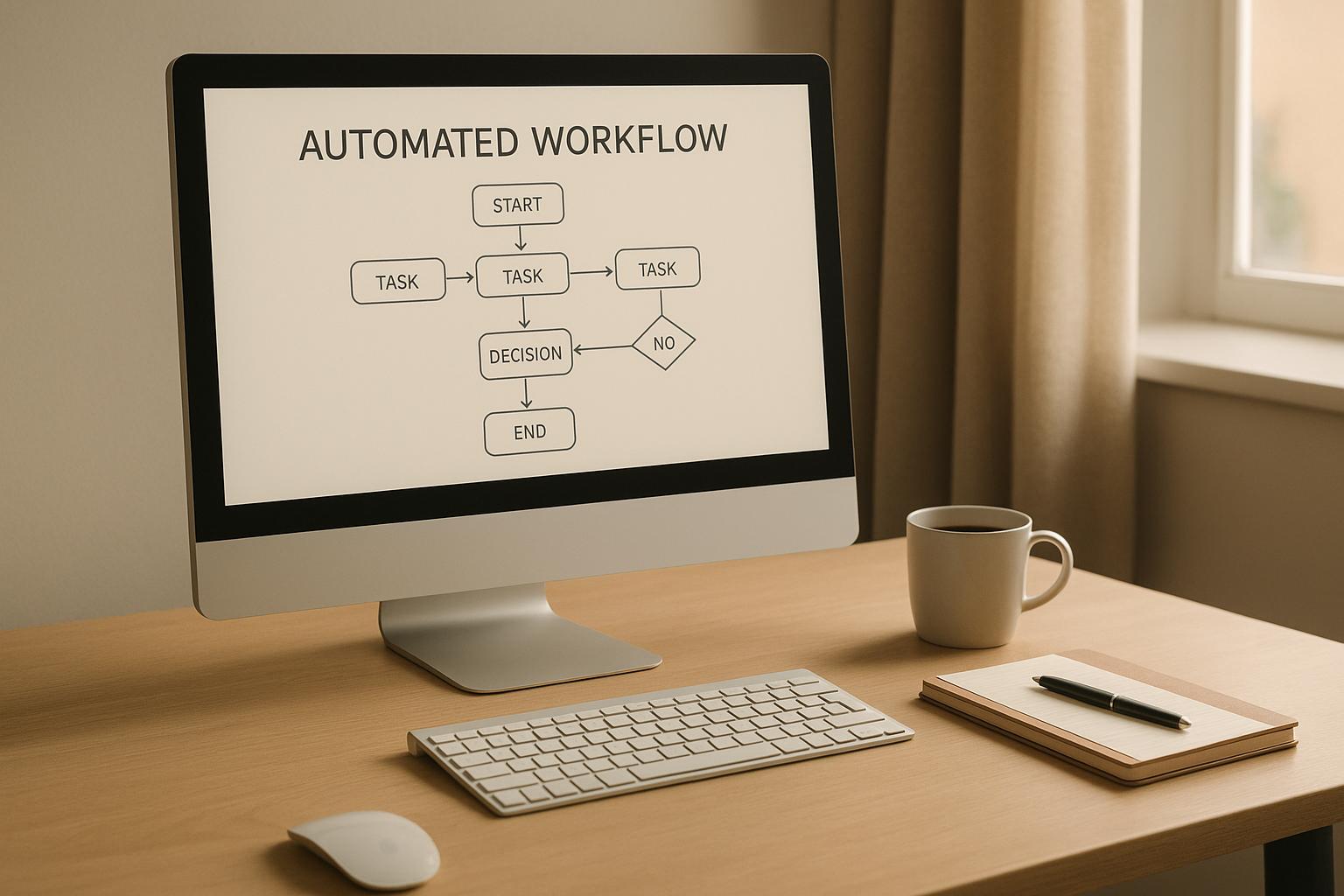
UK SMEs are adopting AI tools at an increasing rate, particularly in:
- Marketing automation
- Customer service chatbots
- Content generation
- Financial forecasting
But here’s the recurring theme: adoption is happening faster than understanding.
Many business owners are asking the same questions:
- Is this secure?
- Who owns the data?
- What happens if it goes wrong?
Reasonable concerns, considering most tools are deployed with minimal governance.
“SMEs risk creating ‘shadow AI’ environments without oversight.” — Industry warning echoed by UK cyber advisors
In other words, people are plugging AI into their businesses the way they installed apps in 2012. What could possibly go wrong.
Key Takeaways for UK Businesses
- AI investment in the UK is accelerating, but global competition remains intense
- The NHS is seeing real benefits, though integration challenges persist
- AI-driven cyber threats are becoming more sophisticated and accessible
- Regulatory clarity is still evolving, creating uncertainty for businesses
- SMEs are adopting AI rapidly, often without adequate controls
Useful References and Further Reading
- National Cyber Security Centre – https://www.ncsc.gov.uk
- Department for Science, Innovation and Technology – https://www.gov.uk/government/organisations/department-for-science-innovation-and-technology
- The Alan Turing Institute – https://www.turing.ac.uk
- Information Commissioner’s Office – https://ico.org.uk
Find Help and Support
We have created Professional High Quality Downloadable PDF’s at great prices specifically for Personal or Business use in the UK. Which include help and advice on understanding what Artificial Intelligence is all about and how it can improve your business. Find them here.