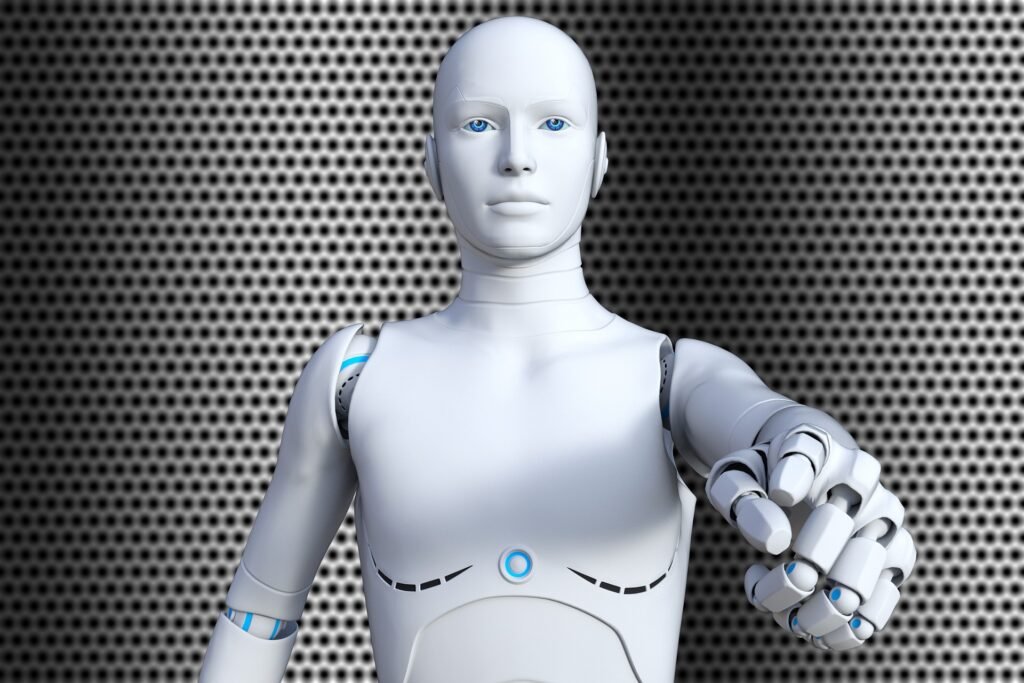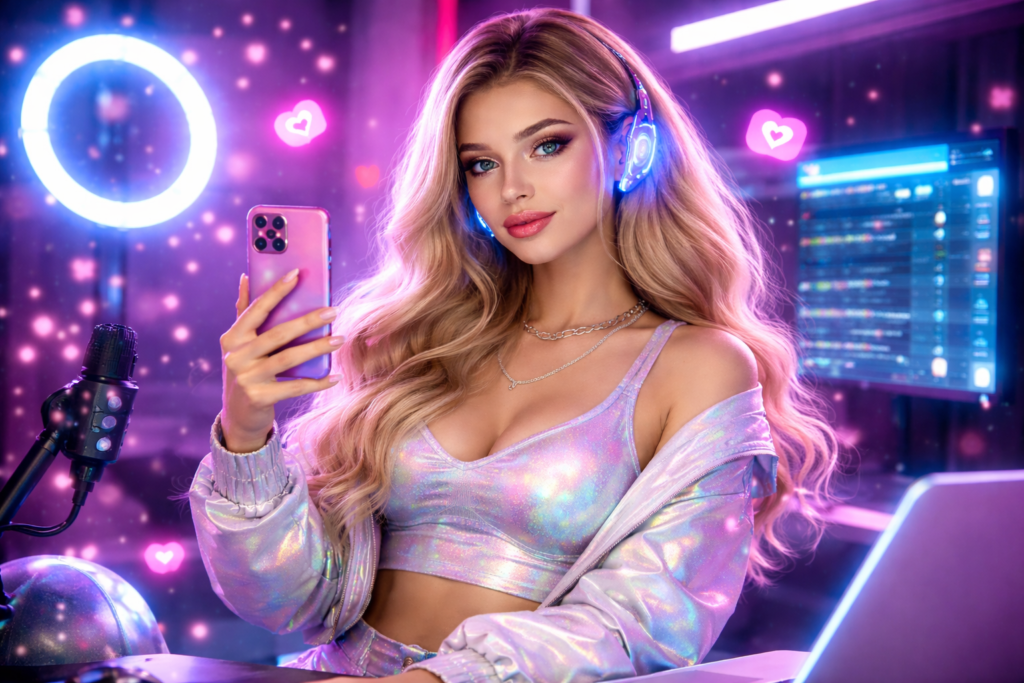
AI (or “virtual”) influencers are computer-generated personas that post content like a human creator—often with a backstory, a “voice”, brand deals and a content calendar. UK regulators already treat them as influencers for ad-disclosure purposes, which is a big clue about where this is heading: they’re not a novelty any more, they’re a category.
But replacement is the wrong mental model. What’s happening is segmentation: AI influencers will take some jobs, reshape others, and create new roles—while human creators remain the “premium” option for trust, lived experience, and cultural credibility.
What AI influencers are genuinely good at (and why brands like them)
Always-on production (and predictable “brand safety”)
Advertisement

- PRE-PAID SUBSCRIPTION WITH SIGN UP AND ACTIVATION ONLINE: A payment method (credit card or PayPal) must be saved in your Norton account to activate and use. No charge occurs before the billing date for the subscription renewal
- SUBSCRIPTION WITH AUTOMATIC RENEWAL: No service disruption since this subscription automatically renews annually. If you do not wish to renew, you can cancel the subscription renewal in your Norton account at any time before the day on whic…
- Protect multiple devices, including PCs, Mac, smartphones and tablets, against malware, phishing and ransomware with additional device protection (up to 10 devices)
Virtual influencers can be produced on schedule, in controlled settings, with consistent styling and fewer real-world logistics (travel, weather, availability). This appeals to brands that prioritise reliability and compliance.
Cost, scale and localisation
Once a character pipeline exists, brands can scale content variations quickly: different outfits, backgrounds, languages, product colours, seasonal assets—without full reshoots.
Certain audiences will engage anyway
Recent survey work suggests some consumers are open to AI/virtual influencers, and that younger audiences may place relatively less weight on “authenticity” as a deciding factor than older cohorts.
Where humans still win (and it’s not close)
Credibility and “I’ve actually lived this”
Research comparing human vs virtual influencers finds that the pathway to persuasion differs: virtual influencers can be perceived as useful for some product contexts, but people often identify more with human influencers.
Vulnerability, spontaneity, and real relationships
A lot of what makes creators valuable is messy and human: reacting to real events, showing mistakes, handling criticism publicly, sharing lived experiences, and building parasocial bonds that feel earned. Academic work in this area repeatedly points to authenticity-related mechanisms being stronger for human influencers.
Trust and backlash risk when it feels like a shortcut
Even companies promoting AI personas warn about “shortcut” vibes. One industry leader put it like this: “Audiences are always drawn to effort, to honesty, to storytelling…”
Will AI influencers replace some real influencers?
Yes—especially in these use cases
- Pure product display: fashion, beauty, accessories, consumer tech (where the “story” is the look, not the life).
- Utilitarian products: when the audience mainly wants clarity (features, how-to, comparisons). Research suggests virtual recommendations can be seen as especially useful in utilitarian contexts.
- Campaign characters: a brand-owned persona that exists to front a seasonal campaign, then disappears.
No—where a human is the product
- Lifestyle + trust niches: parenting, health-adjacent content, finance, education, fitness coaching—areas where audiences expect real accountability.
- Community-led creators: local UK communities, subcultures, activism, humour—where credibility comes from being “one of us”.
The UK reality check: disclosure rules still apply (even if the influencer isn’t real)
Whether it’s a human creator or a virtual persona, UK ad disclosure rules still require marketing to be obviously identifiable. The ASA’s influencer guidance explicitly treats a “virtually produced persona” as an influencer.
What “good” looks like in practice
- Clear labels like “Ad” or “#ad” at the start of relevant posts (not buried).
- Contracts that specify who controls the account, approves content, and how AI generation is disclosed (especially if photorealistic).
- Avoiding anything that could be construed as misleading “real person” representation.
The biggest risks (and why sloppy AI influencer campaigns backfire fast)
Trust damage through deception
If audiences feel tricked—especially when the persona looks real—brands risk the same backlash pattern as undisclosed ads, just amplified.
Bias, representation and ethics
Virtual influencers can reintroduce old problems (unrealistic beauty standards, appropriation, stereotyping) at scale. Criticism around famous virtual models has often focused on who benefits and who is represented.
Synthetic media confusion (and the direction of travel)
UK policy and regulatory discussions increasingly focus on attribution and labelling of AI-generated media and the practical limits of watermarking/credentials.
What will actually happen next (the most likely future)
AI influencers won’t “replace” humans—they’ll replace types of content
Expect AI to take over:
- high-volume product visuals,
- short-form “template” videos,
- campaign assets that don’t require lived experience.
Humans will stay dominant for:
- trust-led niches,
- community-driven creator brands,
- anything requiring real-world authority and accountability.
The bigger shift: “digital twins” and licensed likeness
Instead of fully fictional AI influencers, many creators will license digital twins for specific uses (e.g., multilingual variants, safe brand collateral), while keeping their core content human-led—because that’s where the trust lives. Industry research and commentary already frames this as a major emerging model.
Advertisement

- BUILT FOR APPLE INTELLIGENCE — Apple Intelligence is the personal intelligence system that helps you write, express your…
- TAKE TOTAL CAMERA CONTROL — Camera Control gives you an easier way to quickly access camera tools, like zoom or depth of…
- GET CLOSER AND FURTHER — The improved Ultra Wide camera with autofocus takes incredibly sharp, detailed macro photos and…

- BUILT FOR APPLE INTELLIGENCE — Personal, private, powerful. Write, express yourself and get things done effortlessly.
- A18 CHIP. FAST INTO THE FUTURE — A18 chip powers Apple Intelligence, gaming, and regular iOS updates to keep your iPhone…
- SUPERSIZED BATTERY LIFE — Text, browse, and binge movies and shows with up to 26 hours of video playback — the best batt…
Practical playbook for UK brands (and creators)
If you’re a brand considering an AI influencer
- Use AI personas for clearly synthetic creative concepts (don’t aim to “pass” as human).
- Bake in disclosure and document it (brief, approvals, posting checklist).
- Stress-test with a small audience first: does it feel like craft, or a shortcut?
If you’re a human creator worried about being replaced
- Double down on what AI can’t replicate: lived experience, behind-the-scenes reality, genuine community.
- Consider licensing limited digital-twin use (translation, controlled ad assets) while keeping your main channel unmistakably human.
Double-check: key claims verified
What I checked against sources
- UK disclosure rules apply to virtual personas (ASA guidance includes “virtually produced persona”).
- UK influencer/ad transparency guidance exists and is actively updated (ASA/CMA guidance and related legal commentary).
- Evidence base on human vs virtual influence is mixed and context-dependent (peer-reviewed comparative studies).
- Industry sentiment warns about backlash if AI feels like a shortcut (Billion Dollar Boy commentary).
- UK work on deepfake attribution/labelling is ongoing and imperfect (Ofcom attribution toolkit; UK Parliament briefing on AI labelling).