Artificial Intelligence has stormed into the world of digital finance, and in particular, cryptocurrency trading. Algorithms now monitor markets 24/7, predict price swings and make split‑second trades in ways human investors never could.
But while AI promises speed, precision and profit, the reality is far messier. The cryptocurrency markets — global, decentralised and prone to emotional swings — are exactly the kind of environment where AI’s logic collides with human chaos.
For the average British investor, AI‑driven crypto trading is typically far riskier than it is rewarding.
How AI Trading in Cryptocurrency Works
Automated Algorithms (“Trading Bots”)
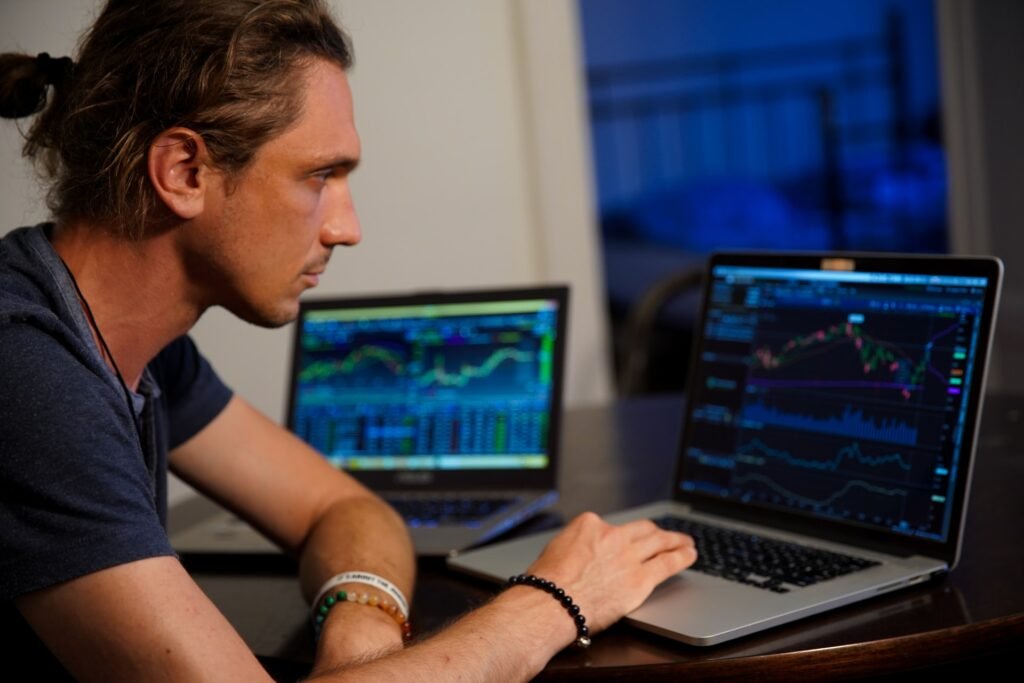
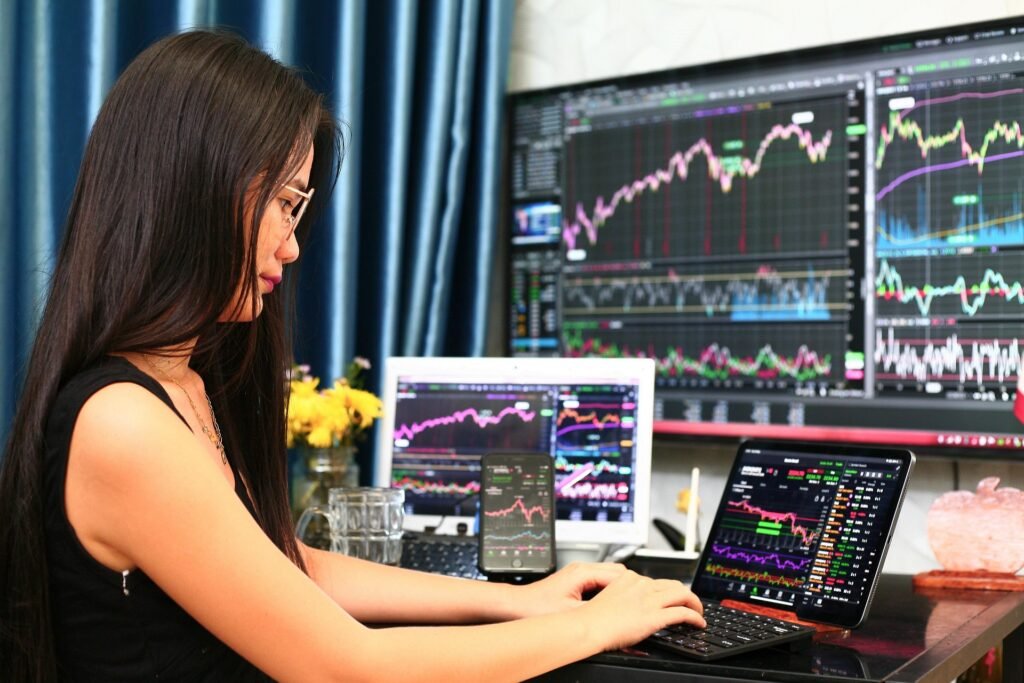
AI bots analyse real‑time market data — prices, trade volumes, sentiment on social media — and execute buy or sell orders automatically.
Well‑known platforms include 3Commas, Bitsgap, and Kryll, each claiming predictive algorithms that can outperform manual traders.
Some bots use machine learning to adapt over time, identifying profitable patterns or even predicting the “whales” (large holders) who move markets.
Advertisement
![Uineer Wireless Bluetooth Mouse,[Upgraded] Multi-Device mouse,Tri-mode (BT 5.0/4.0+2.4G Hz) Rechargeable Ergonomic mice, 4 DPI,Coldless Office mouse for Laptop PC (Black)](https://m.media-amazon.com/images/I/313FiXcJF5L._AC_.jpg "Is AI Cryptocurrency Trading Worth the Financial Risk?")
- Tri-Mode Connectivity for Versatile Use :— Experience ultimate convenience with our tri-mode connectivity—compatible w…
- Ergonomic Design for Ultimate Comfort :— Say goodbye to fatigue and discomfort! This mouse features an ergonomic desig…
- Rechargeable with Battery Level Indicator :— Our wireless mouse comes equipped with a battery level indicator, which c…
Sentiment and Data Analytics
AI scanners comb through millions of online posts and headlines to gauge public mood — bullish or bearish. Even small mood swings on X (Twitter) or Reddit can ripple through crypto valuations.
This is technically impressive, but such data is highly volatile and easily manipulated. As fintech analyst James McMillan of the London Institute of Banking & Finance noted in 2025:
See our PDF download: Make Money Fast with AI Technology in The UK
“The problem isn’t that AI can’t read the mood. It’s that the mood changes faster than the model can retrain itself.”
In simple terms: AI spots patterns — but cryptocurrencies often move for reasons that defy logic, regulation, or fundamentals.

Why AI Crypto Trading Is Extremely Risky
1. Lack of Oversight
Traditional trading platforms in London or New York operate under strict financial regulation. Cryptocurrency markets, however, remain largely unregulated, with AI strategies running in opaque global exchanges beyond the watch of the Financial Conduct Authority (FCA).
That means algorithms can be manipulated or exploited without recourse. In 2025, several UK investors lost millions after fake AI trading bots on Telegram promised daily returns of 2–4% — schemes later revealed as automated Ponzi operations.
2. AI Needs Reliable Data — and Crypto Has None
AI systems work best in stable, data‑rich environments with predictable rules. Cryptocurrencies are the opposite:
They can soar or crash 30% overnight due to tweets, rumours or hacks.
Financial journalist Clare Doolan (BBC Business, 2025) put it bluntly:
“Trying to train an AI to trade Bitcoin is like teaching a robot to surf a tsunami — it might balance for a moment, but it’s never really in control.”
3. Algorithmic Herding
When many traders use similar AI bots, they can all react identically to the same signals.
This herding behaviour amplifies volatility — just as we’ve seen on traditional stock markets during “flash crashes”caused by automated trading.
AI ends up not reducing risk but accelerating panic.
4. Cost and Complexity
AI trading tools aren’t free. Subscription fees for reliable bots can cost hundreds per month, and coding custom AI systems requires technical and computing expertise far beyond most retail users.
When market downturns hit, these costs easily wipe out minor gains, leaving ordinary investors deep in the red.

Have Any AI Trading Systems Beaten the Market?
So far, no major AI crypto system has consistently outperformed long‑term manual strategies.
A 2025 analysis by the Financial Times found that most AI trading bots achieved fractional gains averaging 3–5% annually, before fees — similar to, or worse than, simple diversified investment portfolios.
Even professional AI‑led hedge funds like Numerai or Qraft Technologies, which use far more sophisticated systems, struggle to maintain a consistent edge once transaction costs are considered.
AI’s famed intelligence doesn’t give it the one thing crypto trading demands most: intuition about irrational behaviour.
The Real‑World View: Who Actually Profits?
Right now, AI crypto systems mostly benefit the developers and exchanges who sell access, not the users who trade.
Financial consultant Dr Ellie Thompson (University of Manchester) summarised this bluntly:
“Retail investors buy hope, professionals sell algorithms. AI in crypto feels cutting‑edge — but for most British users, it’s just an expensive illusion of control.”
Better Alternatives for British Investors
1. AI‑Enhanced Conventional Investing
Instead of trading coins, some investors are using AI through regulated stockbroker and ETF platforms (such as Nutmeg, Moneyfarm or Fidelity SmartPortfolios).
Here, AI helps adjust risk exposure in diversified portfolios — still speculative, but grounded in real assets and under FCA regulation.
These systems typically aim for steady annual gains of 5–8% over the long term, not the lottery‑style profits promised in crypto markets.
2. Renewable and Green Investments
The UK’s focus on net‑zero technologies — especially energy storage, clean transport and grid automation — has created new funds tracking green progress.
AI tools help analyse company performance and carbon data to direct investment towards firms likely to dominate the sustainability sector.
These are regulated, growing markets with long‑term demand and real economic backing.
Advertisement

3. Government‑Backed Savings and Index Funds
For those unwilling to gamble on volatile assets, low‑fee index funds or even Premium Bonds (via NS&I) remain far safer.
Returns are modest (3–6% per year for diversified indices), but every pound is at least protected by law — unlike in unregulated crypto ecosystems.
Why These Alternatives Are Better
- Transparency: regulated markets and AI tools reveal data sources and performance methods, unlike anonymous crypto bots.
- Consumer Protection: FCA oversight ensures redress in the UK if misconduct occurs.
- Stable Data Inputs: stock markets and energy industries move on real fundamentals like earnings and policy, which AI can model reliably.
- Lower Emotional Volatility: unlike crypto, these markets are not driven solely by hype or online panic.
As financial writer Martin Lewis said in a 2025 Money Show podcast:
“The promise of risk‑free riches through AI and crypto is just old‑fashioned gambling with clever branding. Smart investors don’t chase waves — they build boats.”
A Practical Conclusion
AI won’t save investors from cryptocurrency’s chaotic nature. It will speed up decision‑making, but it can’t correct for manipulation, regulatory gaps, or emotional human behaviour in the markets.
If you’re hoping AI will make crypto “safe,” you’re asking technology to fix psychology — and no algorithm can do that.
For British investors seeking growth with stability, AI‑assisted mainstream investment funds, green‑tech stocks, or diversified savings portfolios remain far better choices.
They may be less glamorous than Bitcoin trading bots, but they rely on reality — not speculation dressed in code.
References (UK and Global Sources)
- Financial Times – Algorithmic Trading and Cryptocurrency Risk, 2025
- Financial Conduct Authority (FCA) – Regulatory Statement on Automated Trading, 2024
- BBC Business – Crypto Chaos and AI Bots: Investor Beware, 2025
- London Institute of Banking & Finance – AI in Financial Markets: Opportunity or Illusion?, 2025
- University of Manchester – AI and Consumer Finance Ethics Report, 2026
Summary
| Investment Type | Risk Level | Regulation | Average Annual Return | Real‑World Stability |
|---|---|---|---|---|
| AI Crypto Trading | Very high | None | Unpredictable (often <5%) | Volatile & unregulated |
| AI‑Assisted Stock/ETF Funds | Medium | FCA‑regulated | 5–8% | Transparent & consistent |
| Green/Energy Investments | Medium | Partly regulated | 6–10% (long‑term) | Backed by real assets |
| Index Funds & Savings Bonds | Low | Fully regulated | 3–6% | Safe & steady |
In conclusion:
AI can process crypto data faster than any human — but the market itself defies logic.
For most UK investors, using AI to trade cryptocurrencies is not worth the financial risk.
The smarter move is to let AI enhance regulated, evidence‑based assets rather than chase speculative digital coins on the promise of automated fortune.
Find Help and Support
We have created Professional High Quality Downloadable PDF’s at great prices specifically for Personal or Business use in the UK. Which include help and advice on understanding what Artificial Intelligence is all about and how it can improve your business. Find them here.