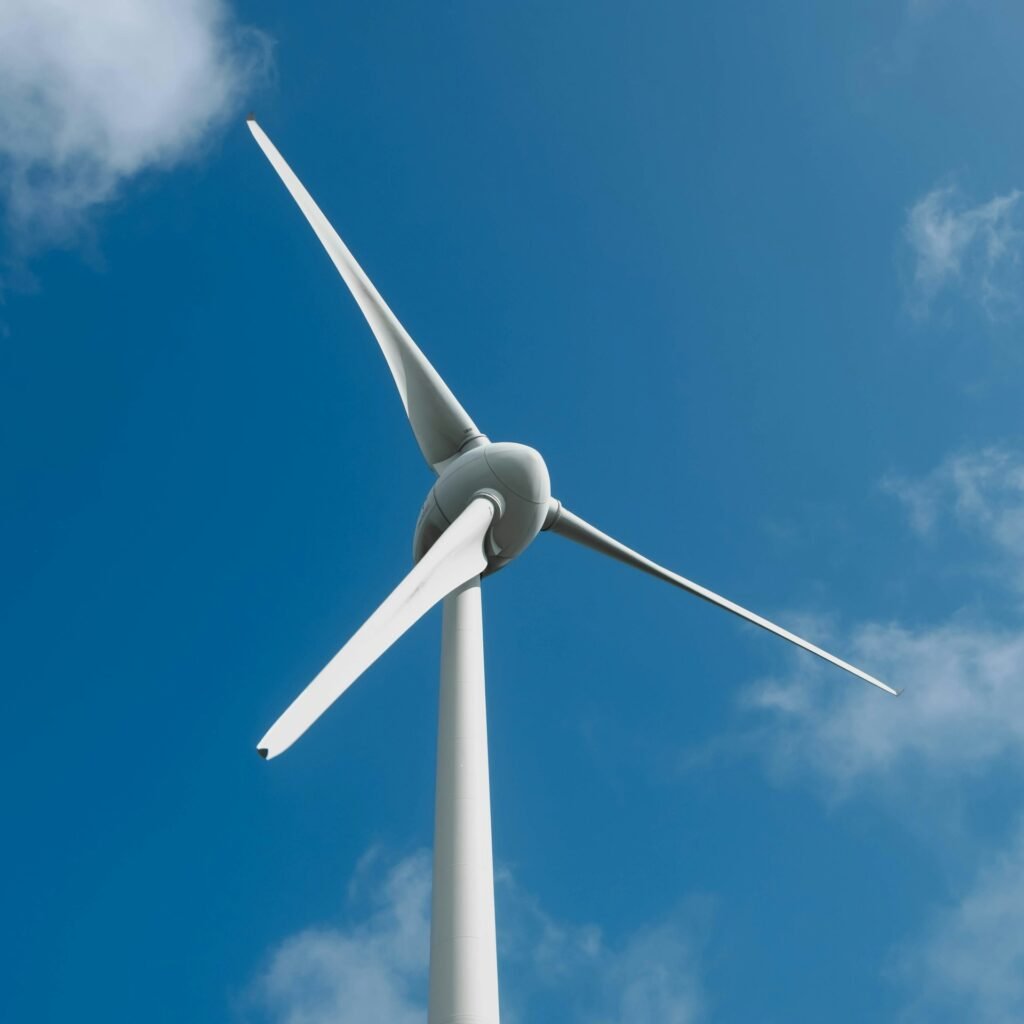
Wind power currently generates nearly one‑third of the UK’s electricity, making it the cornerstone of the country’s renewable energy strategy.
It’s unlikely turbines will be fully replaced in the near future – but they will be fundamentally upgraded and integrated with Artificial Intelligence (AI).
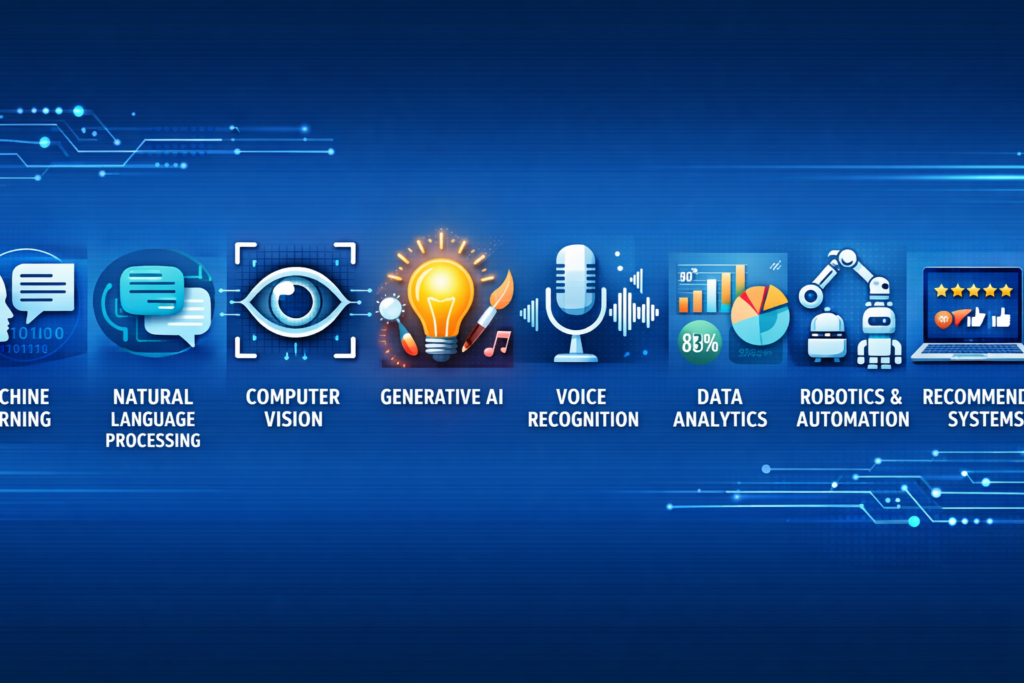
In essence, the future won’t be “windless,” but “smarter.” AI will increasingly control, predict, and balance every aspect of renewable energy production — combining wind, solar, tidal, nuclear and advanced storage systems into one interconnected digital network.
Smarter Turbines and Predictive Maintenance
AI can already monitor the performance and health of wind turbines using sensors that track vibration, stress and temperature across blades and gearboxes.
Instead of relying on scheduled maintenance, AI systems predict faults before they occur, preventing outages and reducing downtime.
According to research by the Offshore Renewable Energy (ORE) Catapult, AI‑enabled monitoring can cut turbine maintenance costs by up to 25% and increase generation efficiency by around 10%.
AI Forecasting and Grid Management
Energy production from wind fluctuates with weather.
AI can use meteorological data, satellite imagery and machine learning to forecast supply hours or even days ahead.
This allows the National Grid to plan backup supply and battery storage more efficiently, preventing blackouts and keeping prices stable.
AI‑driven forecasting has been shown to improve output predictability by up to 20%, according to National Grid ESO’s 2025 Energy Systems Intelligence Report.
Optimised Turbine Design
Future AI technologies will feed data from thousands of UK turbines into design simulations, identifying new blade shapes or tower heights tailored to specific regions.
This adaptive design, called generative engineering, could increase energy capture by 5–8% with minimal extra cost.
The Alternatives to Wind Power Under an AI‑Driven System
1. AI‑Optimised Solar Arrays
Solar is already the UK’s second‑largest renewable source. When combined with AI, photovoltaic systems can self‑adjust using real‑time irradiance mapping and energy‑storage predictions.
Smart controllers redirect generated electricity to where it’s needed most – say, to charge community batteries or EV fleets during daylight peaks.
AI integration could make solar up to 40% more effective in energy yield across cloudy regions, according to Imperial College London’s Future Energy Lab (2025).
2. Tidal and Wave Power with Machine Learning
The UK has significant tidal resources around Scotland, Wales and the South West.
AI can predict tidal patterns, wave conditions and maintenance cycles with greater precision, reducing costs that previously made marine energy uncompetitive.
The European Marine Energy Centre (Orkney) estimates that pairing AI maintenance systems with automation could reduce lifetime O&M (operation and maintenance) costs by up to 30%.
3. AI‑Controlled Microgrids and Energy Storage
Perhaps the biggest “replacement” isn’t one energy source for another, but centralised grids giving way to smart microgrids.
AI will oversee battery storage, household solar panels, electric vehicles, and small‑scale turbines, connecting them locally before balancing them nationally.
These intelligent microgrids will be capable of rerouting energy instantly to reduce transmission losses — one of the least noticed but most expensive inefficiencies in the current grid.
4. Hydrogen and Fusion Integration
AI is playing an increasing role in experimental technologies like green hydrogen and nuclear fusion.
Machine learning is already helping Tokamak Energy (Oxford) predict plasma behaviour inside reactors — vital for controlling high‑temperature fusion reactions.
If small modular reactors (SMRs) come online in the next 15–20 years, AI will help stabilise their output alongside renewables.
Economic and Environmental Cost Benefits
AI Reducing Operational Costs
By cutting maintenance and prediction errors, AI could save the UK’s wind energy sector £500 million annually by 2030 (ORE Catapult, 2025).
AI optimisations across wind, solar and tidal systems together could reduce average renewable‑energy production costs by 15–20%.
This means renewable power could become cheaper per megawatt‑hour than fossil fuels far earlier than projected — perhaps by 2028 rather than 2035, depending on grid upgrades.
Fewer Losses, Faster Balancing
AI’s real‑time data balancing can reduce electricity curtailment — wasted energy produced when the grid can’t store or transmit it quickly enough.
Currently, curtailment costs in the UK can exceed £1 billion per year.
Smart coordination between turbines, solar panels, EVs, home batteries and hydrogen storage could cut those losses in half, saving around £500 per average household annually in eventual system‑level efficiency gains.
How Much Will Our Bills Actually Fall By?
Short‑Term (2025–2030)
Consumers are unlikely to see dramatic changes immediately.
Grid updates, AI system installations and battery rollouts require upfront capital investment.
However, Ofgem’s 2026 Market Efficiency Report projects modest household energy bill reductions of around 5–8% by 2030 due to improved load balancing and waste reduction.
Medium‑Term (2030–2040)
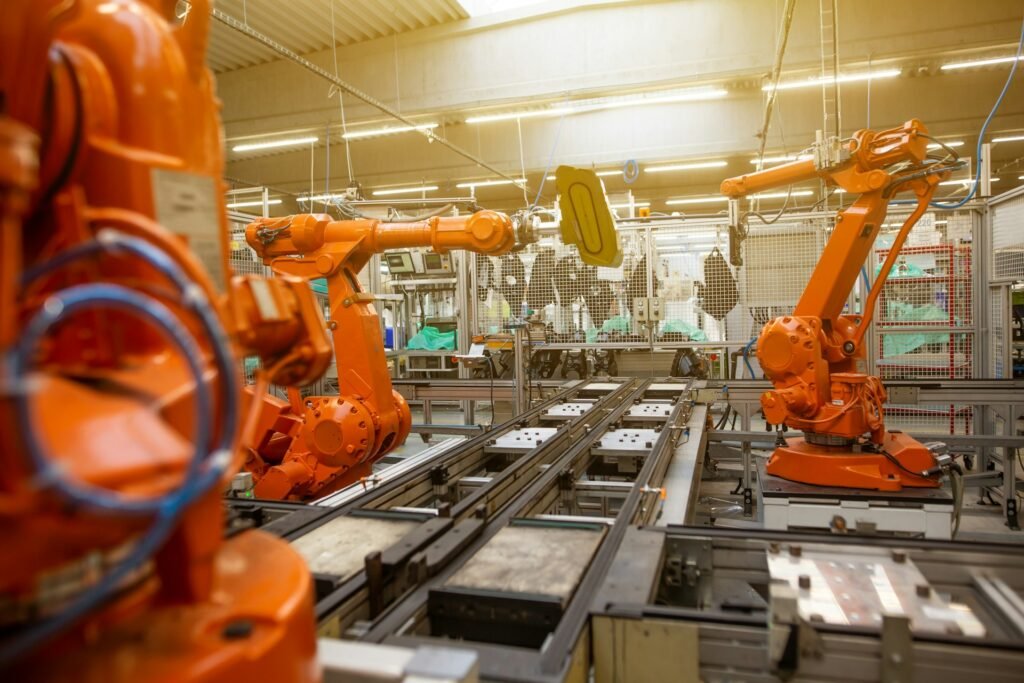
When wider AI‑integrated renewables dominate the system — and with more offshore wind farms automated via robotics — savings could reach 15–20% on average household electricity costs, roughly £150–£250 annually per home at today’s prices.
Long‑Term (Beyond 2040)
By 2050, as AI manages an entirely digital, renewable network, analysts at Aurora Energy Researchbelieve UK electricity could be 30% cheaper than it would be under a manual renewable system.
That hinges on consistent public investment, effective regulation, and cheap domestic energy storage manufacturing.

Challenges and Real‑World Constraints
1. Infrastructure Upgrades
Old transmission networks were built to push electricity one way — from power stations to consumers.
AI‑enabled renewables rely on bi‑directional flow, requiring upgrades to substations, circuits, and cybersecurity — a multi‑billion‑pound expense that could delay cost benefits.
2. Cybersecurity Concerns
AI adds efficiency, but also vulnerability. A single hacked energy algorithm could disrupt sections of the grid.
The National Cyber Security Centre (NCSC) highlights energy AI as a critical risk area requiring new defence frameworks.
3. Weather Dependency and Storage Gaps
Even with AI prediction, storms or calm periods can still leave turbines offline. Battery and hydrogen storage technology must mature significantly for true reliability.
Until then, human oversight and fossil‑fuel backup plants will remain necessary.
4. Workforce Reskilling
As AI systems take over predictive and analytical roles, engineers and maintenance staff will require reskilling — not redundancy.
Universities such as Cranfield and Strathclyde already provide postgraduate qualifications in “AI for Renewable Energy Management.”
A Real‑World, Balanced View
AI will upgrade and coordinate them alongside emerging forms of clean power.
Wind energy will remain the physical backbone of Britain’s renewables, while AI acts as the brainmanaging the system.
The result will be cheaper, cleaner electricity over time — provided the UK invests wisely in infrastructure and storage rather than simply layering technology on top of old networks.
The optimistic forecast sees better efficiency and lower bills for millions of households.
The cynical view is that savings may only materialise after significant upfront public spending and years of fine‑tuning.
Either way, AI will become as essential to the UK’s energy future as the turbines on its skyline.
References (UK‑Focused)
- ore.catapult.org.uk
- National Grid ESO – Energy Systems Intelligence Report, 2025
- gov.uk
- imperial.ac.uk
- emec.org.uk
- auroraer.com
Summary
| Energy Technology | AI’s Role | Efficiency Gain | Estimated Consumer Saving by 2040 |
|---|---|---|---|
| Wind power | Predictive maintenance & forecasting | +20% efficiency | £50–£100 per year |
| Solar | Dynamic tracking & output optimisation | +40% yield | £60–£120 per year |
| Tidal & wave | Predictive modelling & maintenance | +30% reliability | £30–£50 per year |
| Microgrids & storage | Smart balancing & reduced losses | +25% system efficiency | £150 potential system-wide saving |
In conclusion:
AI will turn them into part of a far smarter and more interconnected clean‑energy ecosystem.
Through better forecasting, maintenance, and coordination, AI could help the UK cut electricity waste and lower household bills by up to 20–30% by mid‑century, provided investment and regulation keep pace.
In short: the wind won’t disappear — it will simply get a lot more intelligent.