Artificial Intelligence is steadily reshaping almost every area of modern life, and children’s playtime is no exception. The UK’s toy sector, worth over £3.5 billion annually, is already seeing the rise of AI-powered interactive toys, voice-responsive dolls, and adaptive robots.
But technological play raises complex questions — not only about learning and creativity, but also about privacy, data, and the slow decline of traditional toys like wooden blocks, puzzles and dolls that have shaped childhood for generations.
The Rise of Smart Toys
From Static Toys to “Learning Companions”
AI-enabled toys are designed to interact with children, remember conversations, and respond intelligently. Products such as Furby Connect, LEGO Mindstorms, and Mattel’s Hello Barbie have led the charge, using microphones, cameras and cloud processing to personalise each child’s experience.
Future versions will be even more sophisticated — toys capable of understanding a child’s emotions, adapting games to mood, and teaching through natural conversation. The Toy Retailers Association (TRA) predicts that within a decade, over 50% of toys sold in the UK will utilise AI or machine learning features.
Blurring Play and Education
Manufacturers market AI toys as “edutainment” — promises of improved cognitive skills, language development, and creativity through adaptive interaction. Tablets and AI-driven apps already dominate the Christmas lists of children under 10. Surveys by Ofcom (2024) revealed that 91% of UK children aged 3–15 regularly use internet-connected devices for play or learning.
Traditional toys are increasingly being hybridised — dolls that speak custom phrases, plush animals that tell stories, and building kits that connect to phones.
Will AI Replace Traditional Toys?
The Short Answer: Not Entirely, But Substantially
Traditional toys won’t vanish overnight, but they are being marginalised. Parents under 40, raised in the digital era, tend to buy tech-integrated toys because they appear educational or offer measurable learning results.
The British Toy & Hobby Association (BTHA) reports that physical, non-digital toys have dropped from 70% of total sales in 2013 to under 45% in 2024. AI-enhanced products continue to grow, representing new revenue streams for toy companies facing declining traditional markets.
The Cynical View: Data Over Discovery
A cynical but realistic interpretation is that toy firms are less interested in enriching play and more in data gathering and consumer tracking. “Smart” toys often require internet connectivity and collect data on speech, preferences, and emotional tone — information that can feed corporate algorithms.
The Information Commissioner’s Office (ICO) in 2024 warned that some AI toys breached the UK Data Protection Act, recording children’s voices without explicit parental consent. Critics argue the industry is becoming less about imagination, and more about information.
How AI Toys Might Change Childhood
Personalised, But Isolated Play
Supporters argue that AI companions can help lonely or neurodivergent children develop social skills, offering safe interaction and immediate feedback. AI pets, for example, never tire or misbehave.
However, cynics warn that children raised with digital “friends” risk reduced empathy and imaginative play. If social needs are met by machines, what happens to teamwork, negotiation and shared creativity — the human skills built through traditional playground games?
Psychologists at University College London (UCL) noted in a 2025 study that while AI-enhanced learning improves engagement, it may also “narrow emotional range and reduce free imaginative expression.”
Less Mess, Less Magic
Traditional toys invite tactile exploration — the feeling of clay, the smell of paint, or the clatter of bricks. AI toys sanitise play: neat, digital, endlessly responsive — but lacking the creative chaos that helps children understand failure, patience and physical interaction.
As one former toy designer quoted in The Guardian’s Tech section said:
“AI toys don’t teach children curiosity; they teach them convenience.”

Alternatives and the “Digital Hybrid Future”
Hybrid Play Spaces
In the UK, toy and education companies are experimenting with hybrid experiences, combining physical play with digital layers. Examples include LEGO’s Hidden Side or Pokémon PlayLab, where augmented reality brings toys to life through a smartphone lens.
While these trends may preserve tangible play, they still anchor children to screens — a growing worry among parents and educators.
Digital Companions Instead of Toys
The most likely “replacement” for traditional toys will be AI companions — software-driven characters that grow with the child, existing on tablets, wearables or augmented reality devices rather than shelves.
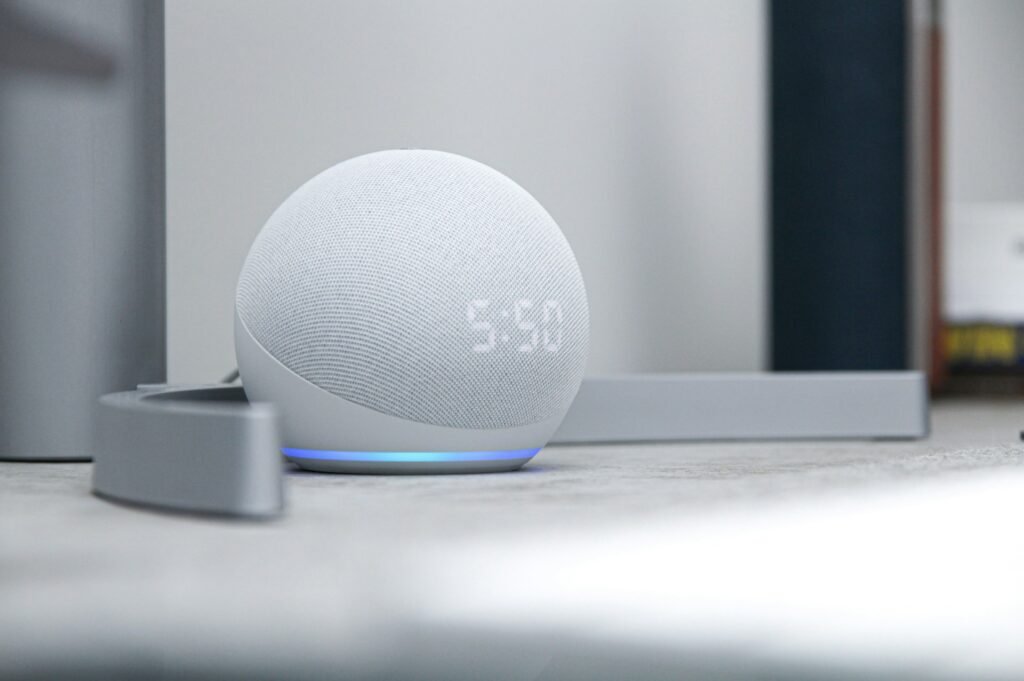
Just as voice assistants like Alexa or Siri now occupy our homes, similar systems tailored for children will soon become “playmates” rather than physical objects. Some experts expect AI subscription play platforms, offering adaptive storylines, educational challenges and interactive friends.
This represents not evolution, but substitution — toys moving from the hands to the cloud.
The Cynical Future: A Childhood Monetised
Play as a Product, Not an Experience
In this future, play becomes another monetised digital service. The charm of worn teddy bears and cracked model cars may give way to downloadable “toy upgrades,” paid voice packs or seasonal “emotion expansions.”
Manufacturers may shift from selling toys once to charging for ongoing access to AI features, echoing the subscription model seen in mobile entertainment. Each update records new user data, fine-tuning algorithms — and consumer targeting.
Corporate Shaping of Childhood
The cynical worry is philosophical as much as practical: if AI determines what a child plays, learns or dreams about, who is really in charge — the parent, the child, or the code?
In a world where MegaToy Corp algorithms decide the bedtime story, childhood creativity may become less spontaneous and more scripted.
What to Expect
For British families, the reality will likely be a blend: AI-enhanced educational toys supported by regulation and greater transparency. The government’s Online Safety Act and Children’s Code already hold toy makers accountable for misuse of children’s data.
Traditional toys will survive — kept alive by nostalgia, minimalist parenting trends, and parents conscious of screen-time limits. But they may become premium boutique products, not everyday essentials.
Not forgetting manual dexterity, actually playing with the toys, feeling them and understanding how they relate to one another. That’s a human thing that is about imagination and the desire to enjoy the journey. How can you learn if you don’t touch and feel and go with your instincts, it’s called fun.
By 2040, “traditional play” could resemble vintage vinyl — cherished, collectable, but no longer mainstream.